Bariatric Surgery (Metabolic & Weight-Loss Surgery)


Overview
Bariatric surgery (increasingly called metabolic and bariatric surgery, or MBS) is a group of operations that treat severe obesity and its related diseases by changing the stomach and, in some procedures, the small intestine. It is recognized as the most effective and durable treatment for obesity — a chronic, relapsing disease — producing far greater and longer-lasting weight loss than diet, exercise, or medication alone, along with remission or improvement of conditions such as type 2 diabetes, high blood pressure, high cholesterol, and sleep apnea (Scientific Reports, 2024; Lancet, 2024).
Find Your Path: Three Routes Through Bariatric Care
Where you start depends on where you are now. Choose the route that fits you.
Route 1: Choosing your first procedure
- Am I a candidate? Start with the candidacy guide and who qualifies under modern criteria.
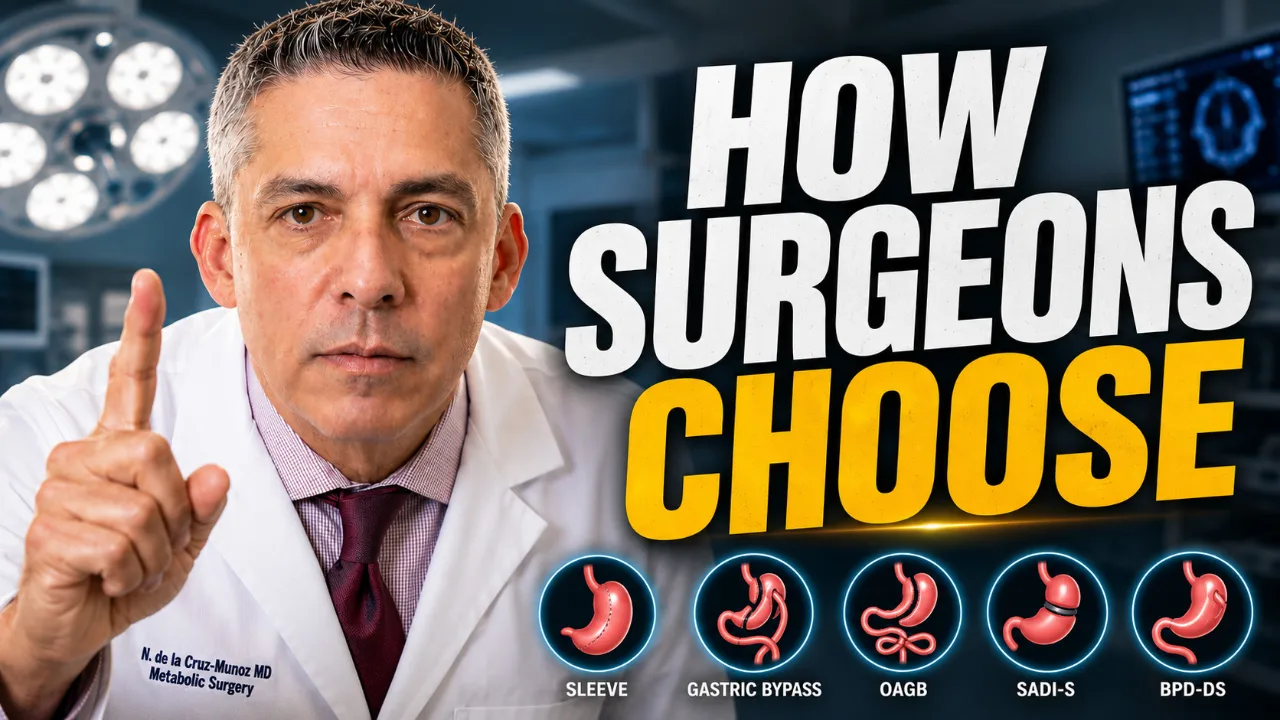
- Comparing operations. The sleeve, gastric bypass, SADI-S, duodenal switch and one-anastomosis bypass each trade weight loss against nutrition demands and reflux risk. See sleeve vs. bypass vs. DS vs. SADI and how Dr. de la Cruz-Muñoz chooses.
- What changes the choice. Existing reflux usually favors bypass over sleeve; diabetes and higher BMI may favor a more powerful operation; and malabsorptive procedures require a lifelong commitment to vitamins and labs. See diabetes remission and reflux after bariatric surgery.
- Options without surgery. Endoscopic sleeve gastroplasty, the gastric balloon, and the medical weight loss program with GLP-1 medications. See GLP-1 medications vs. bariatric surgery.
Route 2: Getting help after a previous operation
- Weight regain. After a sleeve or after a bypass, options range from medication and endoscopic revision (TORe) to surgical revision.
- Reflux. Reflux after sleeve gastrectomy and bile reflux after a mini-bypass often need anatomic testing before treatment.
- Complications. Marginal ulcers, strictures, dumping syndrome, low blood sugar, malnutrition and chronic abdominal pain.
- Revision. Find the right operation for your problem in the revisional bariatric surgery hub.
Route 3: Preparing for surgery and long-term follow-up
- Before surgery. Insurance coverage, the pre-operative education guide, the pre-operative checklist and mental preparation.
- Recovery. The first 30 days, the recovery guide, and discharge warning signs.
- For life. Lifelong follow-up, vitamins, annual labs, protein and exercise.
- Traveling to Miami. Most of the evaluation happens from home, with approximately one week in Miami for surgery. See the out-of-town patient guide.
Your bariatric care team
Surgery is one day; the program is for life. Dr. de la Cruz-Muñoz’s patients are supported by:
- A bariatric coordinator who works both in the office and at HCA Florida Mercy Hospital, guiding you from first visit through surgery.
- A dedicated bariatric office team, all bilingual in English and Spanish.
- A nutritionist for pre-operative preparation and long-term eating plans.
- Body composition analysis at every visit, so progress is measured as fat lost and muscle preserved, not just pounds on a scale.
- Support groups online and in person, open to patients from more than 25 years of practice.
- Medical weight loss with GLP-1 medications when extra help is needed before or after surgery.
Modern bariatric surgery is almost always performed with minimally invasive (laparoscopic or robotic) techniques, which have largely replaced open surgery and reduced hospital stay and complications (The Obesity Society, 2025). The five most commonly used procedures in the United States are sleeve gastrectomy, Roux-en-Y gastric bypass, biliopancreatic diversion with duodenal switch (BPD/DS), single-anastomosis duodeno-ileal bypass with sleeve (SADI-S), and adjustable gastric banding — with sleeve gastrectomy and gastric bypass together accounting for more than 90% of operations (The Obesity Society, 2025; JAMA, 2023).
For an overview of every bariatric option offered at the Miami practice, see Bariatric Surgery in Miami, FL. Patients coming from outside Florida can also review the Miami Bariatric Destination Program.
How the Procedure Works
Although the exact mechanisms are still being clarified, bariatric surgery produces weight loss and metabolic improvement through three main mechanisms, which combine differently depending on the procedure (The Obesity Society, 2025):
• Restriction: Reducing the size of the stomach limits how much food can be eaten and promotes earlier, longer-lasting fullness (e.g., sleeve gastrectomy, gastric banding) (Heart Failure Reviews, 2022).
• Malabsorption: Rerouting the small intestine reduces how many calories and nutrients the body absorbs (e.g., duodenal switch, SADI-S) (Heart Failure Reviews, 2022).
• Hormonal and metabolic change: Altering the path of food changes gut hormones such as GLP-1 and ghrelin, which reduce appetite, increase satiety, and improve blood-sugar control — often before major weight loss occurs (The Obesity Society, 2025; Cochrane Database of Systematic Reviews, 2024).
Benefits
- Substantial, durable weight loss, typically 25–30% of total body weight for the most common procedures, sustained at 5–20 years (JAMA, 2023; New England Journal of Medicine, 2017).
- Type 2 diabetes remission in a large proportion of patients, with benefits most likely when surgery is performed before insulin is required (New England Journal of Medicine, 2017; JAMA, 2018).
- Improvement or resolution of high blood pressure, high cholesterol, obstructive sleep apnea, and fatty liver disease (JAMA, 2018; Lancet, 2024).
- Most effective treatment for obesity overall, outperforming lifestyle and medication alone for both weight loss and disease remission (Scientific Reports, 2024).
Who Is a Candidate
Under the 2022 ASMBS/IFSO guidelines, bariatric surgery is recommended for (Scientific Reports, 2024; Obesity Surgery, 2026):
- Adults with a BMI ≥ 35 kg/m², regardless of whether obesity-related conditions are present.
- Adults with a BMI of 30–34.9 kg/m² who have metabolic disease such as type 2 diabetes.
- Asian patients at lower thresholds (obesity at BMI > 25, surgery considered at > 27.5 kg/m²).
Older (1991 NIH) criteria of BMI ≥ 40, or ≥ 35 with comorbidities, are still used by many insurers (Obesity Surgery, 2026). Candidacy also requires the ability to commit to lifelong dietary changes, supplementation, and follow-up, and is individualized after multidisciplinary evaluation (Lancet, 2024).
How the Procedure Is Performed
Bariatric procedures are performed under general anesthesia, almost always laparoscopically or robotically through several small incisions. The specific steps depend on the operation chosen: sleeve gastrectomy removes most of the stomach; gastric bypass creates a small stomach pouch connected to the small intestine; and duodenal-switch-type procedures (BPD/DS, SADI-S) combine a sleeve with an intestinal bypass (JAMA, 2023; Diabetes, Obesity and Metabolism, 2025). Procedure selection is based on individualized goals, weight-loss targets, specific obesity-related conditions, surgical risk, local expertise, and patient preference (American Society for Metabolic and Bariatric Surgery, 2020).
Risks and Considerations
Modern bariatric surgery is generally safe, with a perioperative mortality of roughly 0.03–0.2%, but as with any surgery there are risks that vary by procedure (Cochrane Database of Systematic Reviews, 2026).
- Early complications include anastomotic or staple-line leak, bleeding, stenosis, infection, and blood clots (venous thromboembolism) (JAMA, 2023; Cochrane Database of Systematic Reviews, 2026).
- Procedure-specific risk: Sleeve and gastric banding have the lowest serious-complication rates; bypass procedures carry more; BPD/DS has the highest (about 8%) (Cochrane Database of Systematic Reviews, 2026).
- Late complications can include acid reflux (especially after sleeve), marginal ulcer, internal hernia, bowel obstruction, dumping syndrome (after bypass), and gallstones (Cochrane Database of Systematic Reviews, 2026; Obesity Surgery, 2026).
- Nutritional deficiencies — of iron, vitamin B12, folate, vitamin D, calcium, and fat-soluble vitamins (A, E, K), zinc, and copper — can occur after all procedures and are greatest after malabsorptive operations, requiring lifelong supplementation and monitoring (Obesity Surgery, 2026; Cochrane Database of Systematic Reviews, 2024).
Recovery Timeline
Most patients go home within 1–3 days and resume normal activity within a few weeks. Diet advances in stages — clear liquids, full liquids, pureed foods, then solids — over several weeks under the guidance of the surgical team and a registered dietitian (American Society for Metabolic and Bariatric Surgery, 2020). Walking begins the day of surgery to reduce the risk of blood clots. Enhanced recovery after bariatric surgery (ERABS) pathways, including multimodal (opioid-sparing) pain control, are now standard and speed recovery (American Society for Metabolic and Bariatric Surgery, 2020).
Long-Term Expectations
Weight loss typically reaches its lowest point (nadir) at 1–2 years, followed by modest regain and then long-term stabilization. For gastric bypass, mean total weight loss is roughly 25–30% maintained out to 12–20 years, with durable comorbidity improvement (New England Journal of Medicine, 2017; Surgical Endoscopy, 2023). Some weight regain is common — over half of patients regain at least 20% of their lost weight after nadir — but most maintain substantial, clinically meaningful weight loss long term (International Journal of Obesity, 2026). Lifelong follow-up, including annual nutritional blood tests, is essential (Lancet, 2024).
Explore Procedures by Category
Bariatric Surgery Procedures: Sleeve Gastrectomy, Gastric Bypass, One‑Anastomosis Gastric Bypass, SADI-S, Duodenal Switch, Magnetic Duodeno-Ileal Bypass with Sleeve, Adjustable Gastric Band Surgery, Medical Weight Loss Program.
Endoscopic Weight-Loss Procedures: Endoscopic Sleeve Gastroplasty, Gastric Balloon, Orbera Intragastric Balloon, Allurion Balloon, Endoscopic Balloon Removal, Transoral Outlet Reduction, Medical Weight Loss Program.
Sleeve Gastrectomy Revisions: Sleeve Gastrectomy to Roux-en-Y Gastric Bypass Conversion, Sleeve Gastrectomy to SADI-S Conversion, Sleeve Gastrectomy to Duodenal Switch Conversion, Sleeve to OAGB Conversion, Sleeve Gastrectomy to Magnetic Duodeno-Ileostomy Conversion, Re-Sleeve Gastrectomy, Hiatal Hernia Repair After Sleeve Gastrectomy, Gastric Sleeve Stricture Management.
Why Choose Dr. de la Cruz-Muñoz
Outcomes after bariatric surgery depend heavily on surgical experience, careful procedure selection, and a structured long-term follow-up program. Dr. de la Cruz-Muñoz offers comprehensive multidisciplinary evaluation, individualized procedure selection across the full range of modern operations — from sleeve gastrectomy to advanced duodenal-switch-type procedures — and a dedicated nutrition and monitoring program designed to maximize long-term success and safety.
Dr. de la Cruz-Muñoz has been performing bariatric surgery for over 25 years and has completed more than 9,000 bariatric operations — a volume few surgeons reach.
To learn how the process works locally, from your first visit to surgery and recovery, visit our bariatric surgery in Miami page.
Before choosing a surgeon, you may find our video 7 Questions That Predict Your Outcome helpful.
Total Body Weight Loss (TBWL) Expectations
TBWL varies by procedure, generally increasing with the degree of intestinal rerouting:
- Sleeve gastrectomy: ~25% TBWL at 1 year (JAMA, 2023).
- Roux-en-Y gastric bypass: ~30% TBWL at 1 year; ~25–27% sustained at 12 years and beyond (JAMA, 2023; New England Journal of Medicine, 2017).
- SADI-S: ~38% TBWL at 5 years (Obesity Surgery, 2025).
- BPD/DS: the greatest and most durable, roughly 35–41% sustained long term (Surgical Endoscopy, 2022).
Individual results vary with procedure, starting weight, diet, activity, and adherence to follow-up.
Expected Metabolic Improvements
- Type 2 diabetes: Remission in roughly 60% at 7 years after gastric bypass, and higher after duodenal-switch-type procedures; best when performed before insulin dependence (JAMA, 2018; New England Journal of Medicine, 2017).
- High blood pressure and high cholesterol: Significant, sustained improvement or remission across procedures (JAMA, 2018).
- Obstructive sleep apnea and fatty liver disease: Frequent improvement or resolution (Lancet, 2024).
Weight Regain Prevention Strategy
Maintaining results depends on a high-protein diet, consistent daily supplementation, regular physical activity, behavioral support, and keeping all follow-up appointments so that weight and nutrition trends are caught early (Lancet, 2024; International Journal of Obesity, 2026). When significant regain occurs, options include intensified lifestyle and behavioral support, anti-obesity (GLP-1-based) medications, and revisional surgery (International Journal of Obesity, 2026).
GERD / Reflux Considerations
Acid reflux is an important consideration in procedure selection. Sleeve gastrectomy can cause or worsen reflux, whereas gastric bypass generally improves it and is often preferred for patients with significant GERD. Duodenal-switch-type procedures preserve the pylorus, which tends to limit reflux (Cochrane Database of Systematic Reviews, 2026). Patients with significant reflux require individualized evaluation.
Revision Options
Revisional bariatric surgery may be considered for inadequate weight loss, significant weight regain, or complications such as severe reflux. Common pathways include converting a sleeve to a gastric bypass (often for reflux) or to a SADI-S/duodenal switch (for more weight loss) (Obesity Surgery, 2026). Procedure choice is individualized based on the original operation, the problem being addressed, and nutritional status.
Body Composition & Muscle Preservation
Rapid weight loss carries a risk of losing muscle along with fat. Adequate protein intake (generally at least 60 g/day, up to 1.5 g/kg of ideal body weight) combined with resistance exercise helps preserve lean muscle mass, and protein status is monitored at follow-up (American Association of Clinical Endocrinology, 2019).
Insurance & Qualification Requirements
Most insurers require documentation of a qualifying BMI (commonly ≥ 40, or ≥ 35 with obesity-related conditions), a medically supervised weight-management program, and nutritional and psychological evaluations, along with specialist clearances (American Society for Metabolic and Bariatric Surgery, 2020; JAMA, 2023). Requirements vary by plan; our team verifies specific coverage before scheduling.
Preparing for Surgery (Pre-Op Requirements)
- Comprehensive multidisciplinary evaluation — medical, nutritional, and psychological (American Society for Metabolic and Bariatric Surgery, 2020; Lancet, 2024).
- Baseline laboratory testing including a full nutritional/micronutrient panel, and usually an upper endoscopy (Surgical Endoscopy, 2022).
- A pre-operative liquid or reduced-calorie diet (often 2–6 weeks) to reduce liver size and surgical risk (Surgical Endoscopy, 2022).
- Smoking cessation, age-appropriate cancer screening, and arrangements for long-term supplements and follow-up (American Society for Metabolic and Bariatric Surgery, 2020).
Post-Op Nutrition Overview
A staged diet progresses from clear liquids to full liquids, pureed foods, and then solids over several weeks, guided by a registered dietitian (American Association of Clinical Endocrinology, 2019). Lifelong supplementation is required and tailored to the procedure, typically including a multivitamin, calcium citrate with vitamin D, iron, and vitamin B12, with additional fat-soluble vitamins after malabsorptive operations. A minimum protein intake of about 60 g/day is recommended, with doses and labs adjusted over time (American Association of Clinical Endocrinology, 2019; JAMA, 2023).
Post-Op Activity & Exercise Guidance
Walking begins the day of surgery. Light activity resumes within the first week or two, with a gradual return to full exercise over 4–6 weeks. Once cleared, a combination of regular aerobic activity and resistance training supports muscle preservation and long-term weight maintenance.
Special Considerations for International Patients
International patients should plan to stay in Miami for approximately one week for bariatric surgery. Much of the evaluation, including the consultation, nutrition review and records, can be completed virtually before you arrive, and all follow-ups can be completed virtually. Miami's direct flights to Latin America, the Caribbean and Europe make travel straightforward for many patients.
Quick Procedure Details
Coverage typically requires pre-authorization with documentation of qualifying BMI, a supervised weight-management program, and nutritional/psychological evaluations; center-of-excellence requirements are common. Our team manages pre-authorization, documentation, and benefit verification before scheduling.
Featured Procedures








Conditions










FAQ
Weight loss depends on the procedure, your starting weight, metabolic factors and how closely you follow the program. Sleeve gastrectomy and gastric bypass lead to substantial, lasting weight loss for most patients, and SADI-S and duodenal switch generally produce the most. Weight loss is fastest in the first six months and usually levels off around 12 to 18 months. Long-term success depends on habits, vitamins and follow-up.
Yes. Bariatric operations are performed with laparoscopic or robotic techniques through small incisions. Compared with open surgery, minimally invasive surgery reduces pain, wound complications and hernias and shortens hospital stays and recovery. The choice between laparoscopic and robotic approaches depends on the operation and your anatomy; both offer excellent results in experienced hands.
Plan to stay in Miami for approximately one week. That allows time for final pre-operative visits, surgery and a short hospital stay, and your first post-operative check before you travel home. Your team will confirm your exact schedule when surgery is booked.
Most patients should aim for at least 64 ounces (about 2 liters) of fluid a day, unless the surgical team gives different instructions. Sip small amounts constantly throughout the day, avoid gulping, and do not drink with meals or for about 30 minutes afterward. Dehydration is the most common reason for readmission, so watch for dark urine, dizziness or a fast heart rate and call your team if you cannot keep up.
Yes. Most patients can safely fly home 7 days after surgery. By this time, hydration is stable, pain is controlled, and early healing is complete. Walking during travel and staying hydrated are essential. Our team provides detailed travel instructions before you leave Miami.
Occasional nausea or vomiting can happen early on, usually from eating too fast, eating too much or not chewing well. Vomiting that will not stop, or an inability to keep fluids down, is not normal and needs prompt evaluation: it can signal a stricture, ulcer, obstruction or dehydration and can lead to thiamine (vitamin B1) deficiency. Call your team right away if vomiting is persistent, and go to the emergency room if it comes with severe pain.
The diet typically progresses from clear liquids in the first days, to full liquids and protein shakes for about one to two weeks, to pureed foods, then soft foods, and finally regular textures at about six to eight weeks. Each stage allows the stomach to heal while you meet protein and fluid goals. Your team will give you specific timing, portion sizes and foods for each stage.
Most patients return to normal daily activities within one to two weeks after a sleeve or gastric bypass and within two to three weeks after SADI-S or duodenal switch. Desk work usually resumes in one to three weeks, and structured exercise begins at four to six weeks. The diet advances from liquids to regular textures over about six to eight weeks.
Yes. You can complete your initial weight-loss surgery consultation virtually, including a medical review, discussion of procedures such as sleeve gastrectomy, gastric bypass and SADI-S, surgical planning and insurance verification. Many pre-operative steps can also be completed remotely.
Many Florida insurance plans cover bariatric surgery when you meet their criteria, including Medicare, Medicaid and many commercial plans. Coverage depends on your specific policy — some employers exclude it — and most plans require documentation of BMI and related conditions, nutrition visits and medical clearance. Our office verifies your benefits and guides you through approval.
An experienced, high-volume Miami program offers minimally invasive weight-loss surgery, the full range of procedures from sleeve gastrectomy to duodenal switch and revisions, comprehensive pre- and post-operative care, and virtual follow-up for patients across Florida and beyond. Dr. de la Cruz-Muñoz has performed more than 9,000 bariatric operations over more than 25 years — a volume few surgeons reach.
Options include sleeve gastrectomy, Roux-en-Y gastric bypass, one-anastomosis gastric bypass (OAGB/MGB), SADI-S, duodenal switch, MagDI and revisional bariatric surgery, as well as endoscopic procedures such as endoscopic sleeve gastroplasty, gastric balloons and TORe. Medical weight loss with GLP-1 medications is also available.
The first step is a consultation, either in person in Miami or virtually. During the visit, Dr. de la Cruz-Muñoz reviews your medical history, prior weight-loss attempts, current conditions such as diabetes or reflux, and your goals. You will discuss which procedure fits you best, the testing needed before surgery, and your insurance requirements. Many patients begin the nutrition and medical clearance steps right after the first visit. Dr. de la Cruz-Muñoz has performed more than 9,000 bariatric operations over more than 25 years — a volume few surgeons reach.
Yes. The Miami program provides bilingual care in English and Spanish, including consultations, nutrition visits, education and postoperative follow-up. Having your questions answered in your preferred language helps you understand each step, follow your diet and vitamin plan, and recognize warning signs after surgery. Family members are welcome to join visits to help with support.
Many Miami patients can schedule surgery within about four to eight weeks of their consultation, depending mainly on insurance requirements and medical clearance. Some plans require a supervised diet program, nutrition visits or a psychological evaluation before approval, which can take longer. Self-pay patients and those who complete testing quickly may move faster. Our team guides you through each requirement to avoid unnecessary delays.
Patients choose an experienced, high-volume bariatric program in Miami for its surgical expertise, full range of procedures — including complex revisions — and comprehensive metabolic care. A dedicated program for out-of-town patients coordinates virtual visits, travel planning and follow-up, so patients from other states and countries can receive care with fewer trips.
Dr. Nestor de la Cruz-Muñoz has over 25 years of bariatric surgery experience in Miami. He has performed more than 9,000 bariatric operations — including sleeve gastrectomies, gastric bypasses, SADI-S and duodenal switch operations, and revisional procedures — a volume few surgeons reach, and over 15,000 minimally invasive procedures overall. He is board-certified in surgery and obesity medicine, served for 10 years as a bariatric surgery fellowship program director, and has published extensively on bariatric outcomes, including a large study of adolescent bariatric surgery. That depth of experience matters most for complex cases, such as revisions and patients with significant reflux or prior abdominal surgery.
Dr. Nestor de la Cruz-Muñoz's bariatric surgery program in Miami combines high-volume surgical experience with advanced laparoscopic and robotic techniques, the full range of primary and revisional operations, and comprehensive metabolic care before and after surgery. A multidisciplinary team — nutrition, medical weight management and follow-up support — helps patients through every stage, and a dedicated program supports patients traveling from outside Miami. Dr. de la Cruz-Muñoz has performed more than 9,000 bariatric operations in over 25 years — a volume few surgeons reach.
Blogs









Guides
















Before & After Cases




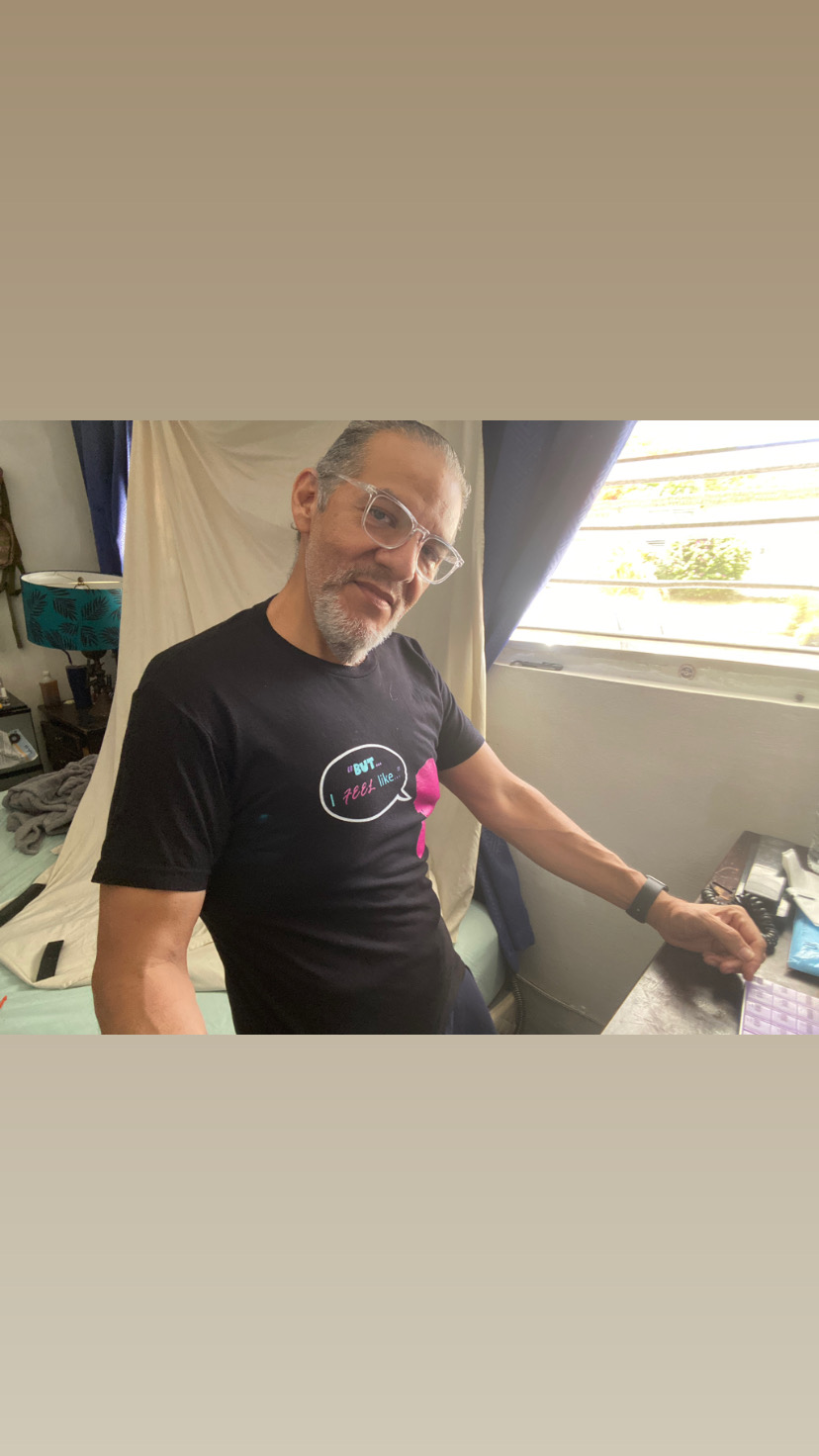




Patient Stories
Coming from a family that suffers from depression and anxiety, i found comfort in food all my life. I ate till i reached 400 pounds and was in my early 30s. I hated that i would not stop eating. And would hate socializing because everywhere i went people would be like "wow shes so fat .but shes so pretty.. if she would only lose the weight!" Like its that simple eh? Or that now since i cant lose the weight, im no longer beautiful? Long story short... i got tired of waking up every morning carrying the weight (back, knees were always hurting. And i got tired of the emotional pain of being the pretty but fat girl. I talked to my college philosophy teacher who became a good friend and she motivated me to face my fears of surgery. I called your office and everything else was taken care by u guys. So many things happened once i lost my weight such as i was able to bring 2 more babies into the world which i could not get pregnant before surgery. This surgery was the best decision i made although the scariest...

Dr. DeLaCruz Munoz help changed my life for the better after having gastric sleeve surgery in 2012. He is intuitive, well-versed, caring, passionate, and an overall outstanding medical doctor. I love his work ethics

I am grateful for Dr de la Cruz for saving me from Diabetes. I had this surgery in 2009 November. This surgery was a game changer for me. I always recommend Dr de la Cruz to anyone that will listen to me. It’s been 17 years and I’ve managed not to have diabetes especially knowing that it is in my family dna. Dr de la Cruz and his team is very knowledgeable and professional, I had a minor hiccup because of my medical history but The Dr stepped up and made sure I was ok. And again I’m grateful for him giving me additional years to my life.
And forgive me for not putting all your names into n here😊. HE IS THE BEST IN THIS BUSINESS AND IF I JAD TO DO IT ALL OVER AGAIN, I won’t let anyone one else do it but Dr Nestor de la Cruz-Munoz.

The surgery completely changed my life. Not only were the results of the weight loss significant. My Sleep Apnea went away, my blood sugar dropped, cholesterol dropped and all my labs have been in a perfect place since. The process was so easy with your staff that helped me prepare physically, emotionally as well as navigate the insurance world. Followed by the support of the staff with nutritional and behavioral resources.. I have put in the work but everything you surrounded me with gave me the tools needed to do so. The surgery itself went flawless and have never had an issue since that day June 10, 2010. I was around 300 lbs. Then one in 2019 now at 185 lbs and currently at 199.

My sister recommended Dr. De la Cruz after he did her gastric sleeve surgery about 12 years ago and she has kept her weight off. She said he is the best. I must say he did not disappoint

Mary J. underwent sleeve gastrectomy with Dr. Nestor de la Cruz-Muñoz and experienced remarkable improvements in mobility, pain, and overall quality of life within days of surgery.
Before surgery, she depended on a walker to get around and often needed to sit after walking short distances. At her follow-up visit just days after her procedure, she was able to walk independently from the parking lot into the office without assistance. She also noticed early improvements in knee discomfort and daily movement.
Mary describes feeling stronger, more independent, and more optimistic about the future. While she understands that sustained success will require continued hydration, exercise, and healthy habits, she is already experiencing meaningful improvements that have motivated her to continue her journey.
Her advice to others considering bariatric surgery is simple: don't let fear stop you from improving your health. She encourages patients to pursue treatment for themselves and their future, explaining that the procedure was easier than she expected and that she quickly noticed positive changes in her life.

Ammy A. underwent sleeve gastrectomy in May 2026 and has experienced a remarkable transformation in both her health and quality of life. She reduced her weight from 232 pounds to 150 pounds, losing 82 pounds following surgery. Her body fat percentage improved from 44.3% to 30%, her BMI decreased to 26, and her visceral fat area returned to a normal range.
Ammy describes bariatric surgery as one of the best decisions she has ever made and wishes she had pursued treatment sooner. Before surgery, everyday activities could feel exhausting and frustrating. Today, she enjoys exercising, walking comfortably, and participating fully in daily life without the limitations obesity once imposed.
She also emphasizes that weight loss surgery is about far more than appearance. For her, the procedure improved physical health, mental well-being, energy levels, self-confidence, and overall happiness. Ammy enthusiastically recommends Dr. Nestor de la Cruz-Muñoz and his team, highlighting their ongoing support and commitment to patient care throughout the journey.
Video in Spanish.
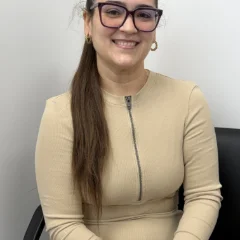
“I spent more than half my life dieting, but over time the diets stopped working. I kept gaining weight, and my health began to suffer. I had high blood pressure, prediabetes, kidney problems, and severe acid reflux and heartburn. Sometimes the reflux would wake me up at night. I was also taking several medications and had pain that made it difficult to walk and find comfortable shoes.
It took me time to decide to have gastric bypass surgery. My brother had surgery with Dr. de la Cruz, and seeing his journey and results up close gave me the confidence to take that step.
Since I began the process for surgery, I’ve noticed significant changes. The heartburn and reflux I used to experience have gone away, and my relationship with food has changed too. Now I’m more selective about what I eat, pay attention to portions, and see this as a new way of life.
I recommend that anyone considering bariatric surgery talk with a specialist and ask questions. In my case, Dr. de la Cruz’s experience and seeing my brother’s journey firsthand helped me feel I was in good hands.”
Translated from the original Spanish.