Weight Regain After Bariatric Surgery

Why This Guide Matters
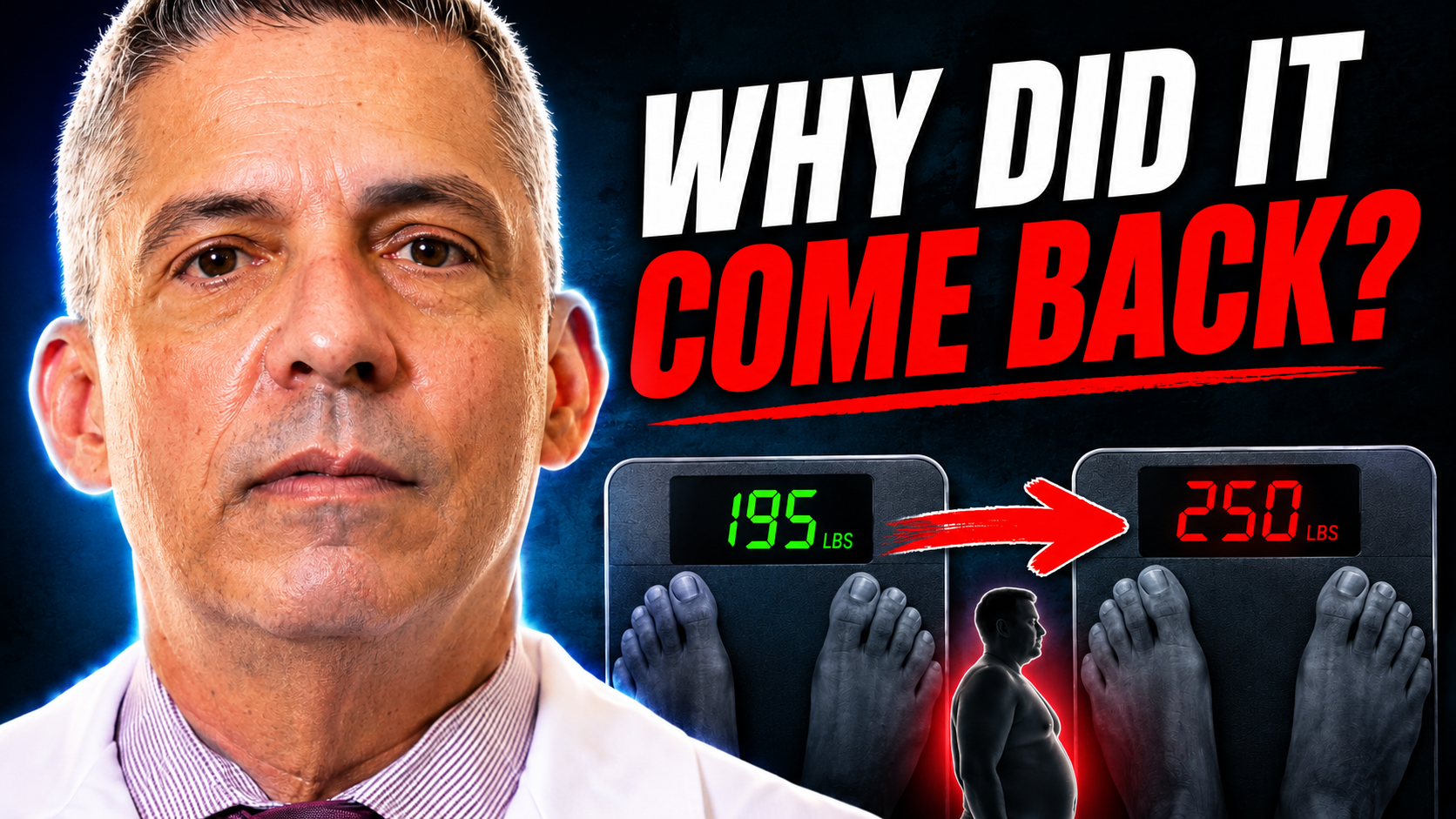
Weight regain after bariatric surgery is common and is not a moral failure. A small amount of weight rebound after reaching your lowest post-operative weight is expected for many patients.
The important distinction is between normal fluctuations and a sustained upward trend that may require evaluation. Reaching out early gives your care team more opportunities to identify the cause and provide effective treatment.
Weight regain may be related to biology, anatomy, eating patterns, physical activity, medications, emotional health, or a combination of factors. There is no judgment—only support and solutions.
Understanding the Weight-Loss Timeline
Weight loss commonly follows this general pattern:
- Months 1–6: Rapid weight loss is common.
- Months 6–12: Weight loss usually continues but slows.
- Months 12–18: Many patients reach their lowest post-operative weight, also called their nadir.
- Months 18–24: Weight often stabilizes, with normal fluctuations.
- Year 2 and beyond: A modest rebound may occur as the body adapts.
The timing and amount of weight loss vary based on the procedure, starting weight, age, sex, medical conditions, medications, activity, and individual metabolism.
What Is Usually Normal?
The following changes do not necessarily indicate a problem:
- Daily fluctuations of 1–3 pounds due to fluid balance, sodium, bowel habits, menstrual cycles, or hydration
- A plateau lasting 1–4 weeks
- A modest rebound after reaching your lowest weight
- A slight increase on the scale after beginning resistance training, particularly if clothing fits better and strength is improving
A single weigh-in does not tell the whole story. Look for trends over time rather than reacting to one day’s number.
Why the Scale Is Not the Whole Story
Weight does not show the difference between fat, muscle, and fluid. Two people with the same weight may have very different body compositions and levels of metabolic health.
Body-composition testing, such as an InBody assessment or DEXA scan, may provide additional information about:
- Fat mass
- Lean muscle mass
- Bone density
- Fluid changes
- Changes in body composition over time
Maintaining or building muscle while reducing body fat is a positive outcome, even if the number on the scale changes slowly.
Why Weight Regain Can Happen
Biological and Metabolic Factors
After weight loss, the body may adapt by:
- Increasing hunger signals
- Reducing energy expenditure
- Altering fullness signals
- Lowering resting metabolic rate as body weight decreases
- Attempting to return toward a previous weight
These changes are biological—not evidence of a lack of willpower.
Anatomical Factors
The anatomy created by surgery can change over time. Depending on the procedure, this may include:
- Enlargement of the sleeve
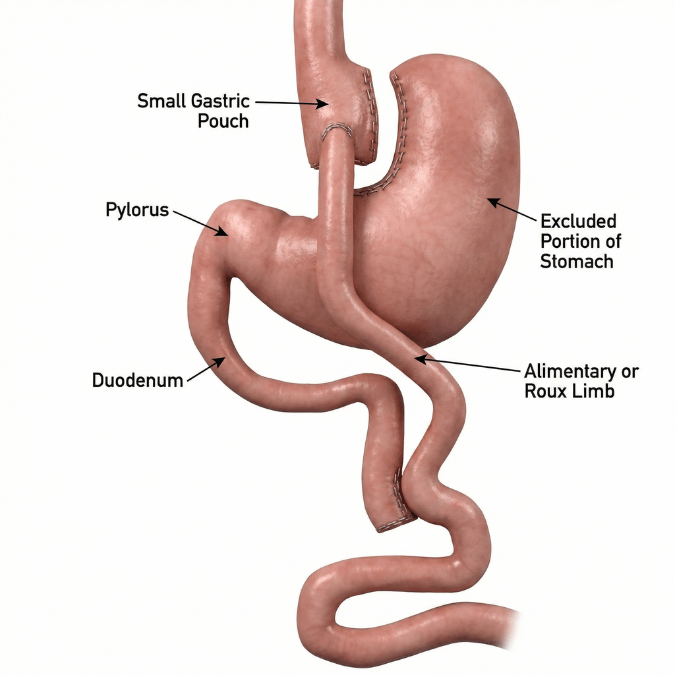
- Stretching of the gastric pouch
- Widening of the connection between the pouch and intestine after gastric bypass
- Rare complications such as a gastrogastric fistula
- Changes in intestinal absorption after a malabsorptive procedure
If you can eat substantially larger portions than you could earlier in your recovery, tell your bariatric team. Additional testing may be appropriate.
Behavioral Factors
Common contributors include:
- Grazing or eating continuously throughout the day
- Liquid calories, including sweetened coffee, juice, soda, smoothies, and alcohol
- Reduced protein intake
- Increased portions or processed foods
- Reduced physical activity
- Eating in response to stress, boredom, sadness, or anxiety
- Stopping follow-up appointments or laboratory monitoring
These patterns are common and treatable. They should be addressed without shame.
Medication-Related Factors
Some medications may contribute to weight gain. Examples can include certain:
- Antidepressants
- Antipsychotic medications
- Anticonvulsants
- Diabetes medications
- Corticosteroids
- Hormonal medications
Never stop a medication on your own. Speak with the prescribing clinician and your bariatric team about whether a weight-neutral alternative or adjustment may be appropriate.
What You Can Do
Return to the Fundamentals
- Prioritize protein at each meal.
- Follow the protein goal provided by your care team.
- Eat structured meals instead of grazing.
- Plan one or two protein-rich snacks if needed.
- Avoid liquid calories unless a protein shake is being used as part of your treatment plan.
- Track food and beverages for at least two weeks.
- Drink at least 64 ounces of fluid daily, unless your medical team has given you a different goal.
- Separate fluids from meals according to your post-operative instructions.
- Eat slowly and chew thoroughly.
- Avoid eating directly from packages or while distracted by screens.
Resume Physical Activity
If you have stopped exercising:
- Begin with an activity appropriate for your current health and surgical status.
- Walking is a practical starting point for many patients.
- Gradually work toward regular moderate-intensity cardiovascular activity.
- Include resistance training when medically cleared.
- Focus on preserving muscle, improving insulin sensitivity, and supporting long-term health—not only on burning calories.
Ask your care team before changing your exercise routine if you have pain, significant medical conditions, or surgical concerns.
Check Vitamins and Laboratory Testing
Vitamin and mineral deficiencies can contribute to fatigue, weakness, and reduced activity. If you are overdue for laboratory testing or have stopped taking your supplements, contact your bariatric team.
Do not change supplement doses without medical guidance.
Address Emotional Eating
If you are eating in response to stress, boredom, anxiety, sadness, or loneliness, consider tracking:
- When the eating occurs
- What you ate
- What you were feeling beforehand
- What situations or thoughts triggered it
Helpful alternatives may include walking, journaling, calling a trusted person, breathing exercises, or leaving the triggering environment. A therapist or psychologist experienced in bariatric care can provide additional support.
Reconnect With Support
Consider:
- Scheduling a nutrition visit
- Attending a bariatric support group
- Restarting regular follow-up appointments
- Asking someone you trust for support
- Contacting your surgical office, even if it has been a long time since your last visit
There is no expiration date on your relationship with your bariatric team.
When to Contact Us
Schedule an evaluation if:
- You have regained more than 10–15% of the weight lost from your lowest post-operative weight.
- Your weight has steadily increased for three or more months.
- Diabetes, high blood pressure, or sleep apnea symptoms are returning.
- You feel persistently hungry despite eating protein-rich meals.
- You can eat much larger portions than earlier in your recovery.
- You are grazing frequently and cannot stop despite trying behavioral strategies.
- You have not had a bariatric follow-up visit in more than 12 months.
- You are concerned about your eating habits, mood, medications, or health changes.
Office phone: 305-692-0392 during office hours (Monday–Friday, 8:30 AM–5 PM). After hours: call our 24-hour line at 786-635-0400. For severe symptoms such as chest pain, severe shortness of breath, fainting, or severe abdominal pain, call 911 or go to the nearest emergency room.
What to Expect During a Weight-Regain Evaluation
Your evaluation may include:
- A detailed conversation about weight history, eating habits, activity, medications, sleep, mental health, and life circumstances.
- Laboratory testing, which may include blood counts, metabolic testing, blood sugar, cholesterol, and vitamin levels.
- Body-composition testing to assess changes in fat, muscle, and fluid.
- Upper endoscopy, if an anatomical issue is suspected.
- Imaging, such as an upper gastrointestinal study, when clinically indicated.
- Nutrition and behavioral-health referrals when appropriate.
- A personalized treatment plan based on the underlying cause.
Possible treatment options may include:
- Structured nutrition and behavioral support
- Exercise and resistance-training guidance
- Anti-obesity medication when medically appropriate
- Endoscopic procedures for selected anatomical problems
- Revisional surgery in carefully selected cases
The treatment should match the cause of the regain. That is why evaluation is important.
Preventing and Managing Regain
Long-term success is supported by:
- Keeping regular follow-up appointments
- Completing laboratory testing
- Taking vitamins as prescribed
- Prioritizing protein
- Exercising consistently
- Monitoring weight trends without becoming obsessive
- Staying connected to your support system
- Addressing emotional eating and mental-health concerns
- Contacting your team early when your weight begins trending upward
Bariatric surgery is a treatment for a chronic disease. It is a powerful tool, but lifelong follow-up and support remain important.
Quick Reference
Often normal:
- Daily fluctuations of 1–3 pounds
- Plateaus lasting several weeks
- Modest weight rebound after reaching your lowest weight
- A small scale increase with improved strength and body composition
Contact us if:
- Regain exceeds 10–15% of weight lost from your nadir
- Weight steadily increases for three or more months
- Medical conditions are returning
- Hunger is persistent and difficult to control
- Portions are significantly larger than earlier after surgery
- Grazing feels compulsive
- You are overdue for follow-up
Weight regain is not failure. Seeking help early is a sign that you are taking care of your health.
This educational guide does not replace individualized medical advice. Weight-loss expectations, medication options, testing, and treatment plans vary by patient and procedure.
Featured Procedures






Conditions







FAQ
A modest amount of weight regain after reaching your lowest post-operative weight can be normal. Daily fluctuations of 1–3 pounds are also common due to hydration, sodium, bowel movements, and hormonal changes. However, steady weight gain for three or more months or regaining more than 10–15% of the weight lost should be evaluated by your bariatric team.
Weight regain may result from several factors, including normal metabolic adaptation, increased hunger, grazing, larger portions, liquid calories, reduced activity, emotional eating, medication changes, or anatomical changes involving the sleeve or gastric pouch. Your care team can help identify the cause and recommend appropriate treatment.
Contact your bariatric team early, especially if the weight gain is consistent. In the meantime, return to structured meals, prioritize protein, avoid liquid calories, track food and beverages, maintain hydration, resume appropriate physical activity, and take prescribed vitamins. Do not use extreme diets or stop medications without medical guidance.
Yes. Treatment depends on the underlying cause and may include nutrition counseling, behavioral-health support, exercise guidance, medication, endoscopic procedures, or revisional surgery in selected cases. An evaluation may include laboratory testing, body-composition testing, and an endoscopy or imaging study when appropriate. Weight regain is treatable and is not a personal failure.