Post‑Bariatric Hypoglycemia

Videos
Overview
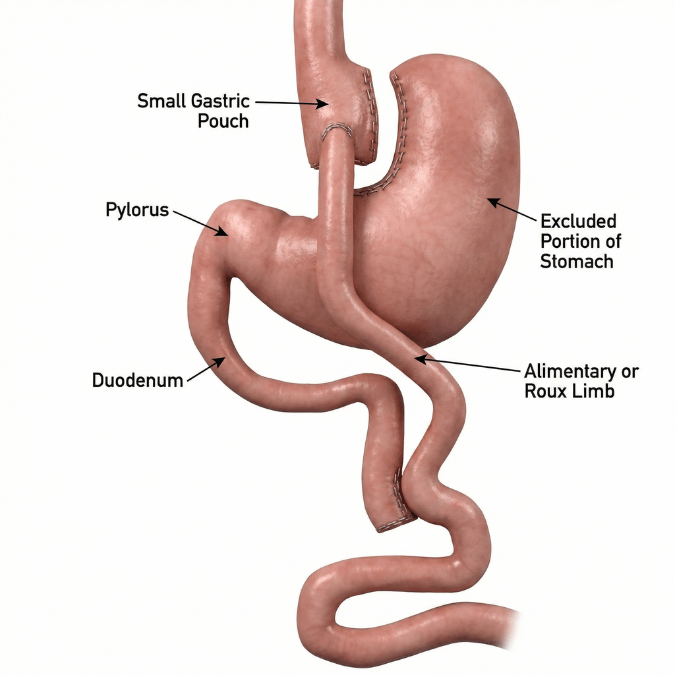
Post‑bariatric hypoglycemia (PBH) is a condition where blood sugar drops too low after eating, typically 1–3 hours after meals. It occurs most commonly after gastric bypass but can also develop after sleeve gastrectomy. PBH is caused by rapid delivery of food into the small intestine, leading to exaggerated insulin release and subsequent low blood sugar. Symptoms range from shakiness and sweating to confusion, fainting, and severe neuroglycopenia.
Causes
- Rapid glucose absorption after surgery
- Exaggerated incretin (GLP‑1) response
- Excessive insulin secretion
- High‑carbohydrate meals
- Drinking liquids with meals
- Lack of protein and healthy fats
- Rapid weight loss or improved insulin sensitivity
Risk Factors
- Gastric bypass (highest risk)
- Eating simple sugars
- Drinking liquids with meals
- Skipping protein
- Prior diabetes or insulin resistance
- Rapid postoperative weight loss
- Large portions of high‑glycemic foods
How It Affects the Body
Post‑bariatric hypoglycemia causes sudden drops in blood sugar that impair concentration, coordination, and cognitive function. Severe episodes may lead to falls, accidents, or loss of consciousness. Recurrent episodes can create fear of eating and disrupt daily life.
Complications
- Recurrent symptomatic hypoglycemia
- Severe neuroglycopenia
- Seizures
- Injury from falls
- Nutritional deficiencies
- Reduced quality of life
- Anxiety around eating
Symptoms and Signs
- Shakiness
- Sweating
- Rapid heartbeat
- Hunger
- Dizziness
- Weakness
- Confusion
- Blurred vision
- Difficulty concentrating
- Fainting (severe cases)
Diagnosis
- Clinical history
- Fingerstick glucose
- Continuous glucose monitoring (CGM)
- Mixed‑meal tolerance testing
- Correlation of symptoms with glucose trends
- Differentiation from dumping syndrome
Differential Diagnosis
- Early dumping syndrome
- Medication‑induced hypoglycemia
- Adrenal or pituitary disorders
- Non‑surgical reactive hypoglycemia
- Insulinoma (rare)
Lifestyle Modifications
- Eat protein first
- Avoid simple sugars
- Separate liquids from meals
- Add healthy fats for slower digestion
- Choose low‑glycemic carbohydrates
- Eat smaller, more frequent meals
- Avoid high‑glycemic snacks
Treatment Options
- Structured dietary modification
- CGM‑guided adjustments
- Medical therapy for severe cases
- Endocrinology evaluation
- Surgical or endoscopic evaluation if anatomy contributes
When to See a Doctor
Seek evaluation if you experience recurrent low blood sugar episodes, confusion after meals, fainting, or symptoms that interfere with daily activities.
When to Seek Treatment
Seek evaluation if:
- Episodes occur frequently
- Symptoms interfere with daily life
- You experience confusion or fainting
- Diet changes are not helping
- You suspect dumping syndrome instead
Long-Term Outlook
Long‑term management focuses on nutrition, glucose monitoring, and metabolic stability. Ongoing follow‑up helps prevent recurrence and maintain safe eating patterns.
Prognosis
Most patients improve significantly with dietary changes and medication. Severe cases may require advanced interventions but generally have good long‑term outcomes.
Why Choose Dr. de la Cruz‑Muñoz
Dr. Nestor de la Cruz‑Muñoz provides expert evaluation and treatment of post‑bariatric hypoglycemia, offering advanced nutritional, medical, and surgical solutions to restore metabolic balance and long‑term safety.