Understanding and Managing Dumping Syndrome After Bariatric Surgery

What Is Dumping Syndrome?
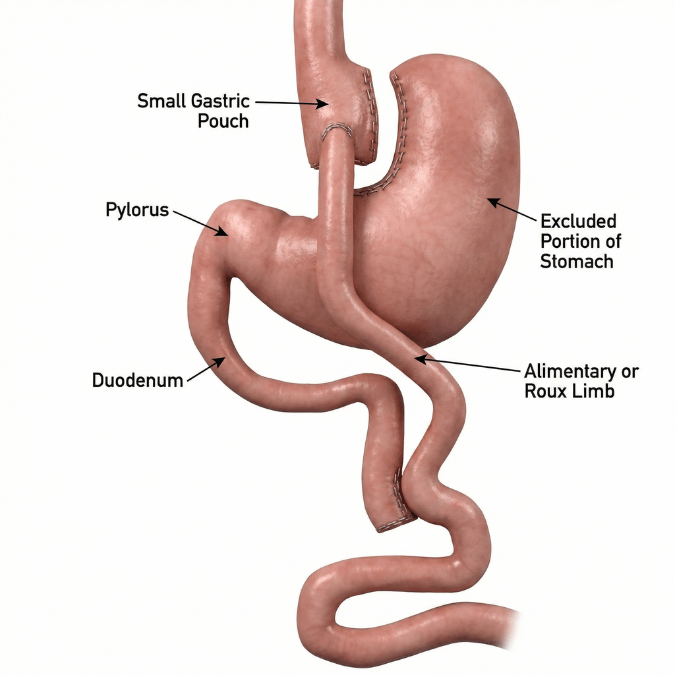
Dumping syndrome occurs when food, especially sugar, moves too quickly from your stomach or pouch into your small intestine after weight loss surgery.
It is important to understand that dumping syndrome is not a complication and is not a sign that your surgery failed. Instead, consider it your new anatomy giving you honest feedback when you eat food that does not agree with it. Once you learn to recognize your personal triggers, you can prevent it almost every time.
The Two Types
- Early Dumping: Happens 10 to 30 minutes after eating. Symptoms may include cramping, nausea, diarrhea, flushing, a racing heart, sweating, or lightheadedness.
- Late Dumping: Happens 1 to 3 hours after eating. This occurs when your blood sugar spikes and then crashes, leaving you feeling shaky, sweaty, foggy, weak, or suddenly very hungry.
Your 6 Rules to Prevent Dumping
- Protein first: Always prioritize protein at every meal. Fill up on protein before eating anything else.
- Cut out simple sugars: Avoid candy, soda, juice, sweet tea, desserts, syrups, and sweetened coffee drinks. These are the number-one trigger for dumping.
- Choose complex carbs: Pick whole grains, beans, and vegetables instead of refined options like white bread, white rice, or pastries.
- Do not drink with meals: Stop fluids 30 minutes before you eat and wait 30 minutes after you finish. Sip fluids only between meals.
- Eat small and slow: Take small bites, chew thoroughly, and put your fork down between bites.
- Eat regularly: Do not skip meals. Consuming small, balanced meals spread throughout the day helps keep your blood sugar steady.
Food Triggers vs. Better Choices
Trigger foods to avoid:
- Sugary drinks (soda, juice, sweet tea)
- Candy, cookies, cake, ice cream, pastries
- Sweetened cereals, flavored yogurts
- White bread, white rice, refined starches
- High-fat fried foods
Better choices:
- Water and sugar-free, non-carbonated fluids
- Lean protein (eggs, fish, chicken)
- Unsweetened Greek yogurt, cottage cheese
- Non-starchy vegetables
- Whole grains (in small amounts)
If You Feel Symptoms
- Stop eating immediately and sit or lie down.
- For late-dumping shakiness, a small amount of fast sugar (like 4 ounces of juice) can help in the moment, but the most effective solution is preventing it by consistently following the rules above.
- Keep a simple food and symptom log to help you and your medical team identify your specific triggers.
When to Contact Your Medical Team
Reach out to your care team if:
- Symptoms happen often, even when you are following the rules.
- Symptoms are severe, cause fainting, or interfere with your daily life.
- You cannot keep fluids down or show signs of dehydration.
- You are losing too much weight or consistently feel unwell.
Call our office at 305-692-0392 during office hours (Monday–Friday, 8:30 AM–5 PM); after hours, call our 24-hour line at 786-635-0400. If you faint, have chest pain, or have severe symptoms, call 911 or go to the nearest emergency room.
This guide is for general education and does not replace individualized medical advice. Always contact your healthcare provider regarding specific symptoms or persistent concerns.
Featured Procedures




Conditions





FAQ
Early dumping occurs shortly after a meal (10–30 minutes) and is often caused by high-sugar or high-volume intake leading to rapid movement of food. Late dumping happens later (1–3 hours after eating) and is primarily caused by a blood sugar spike followed by a rapid crash.
Drinking fluids with meals can increase the volume of food in your pouch and speed up the rate at which food empties into your small intestine, significantly increasing the risk of dumping syndrome. Following the "no fluids 30 minutes after" rule helps keep food in the pouch longer to improve digestion and satiety.
No, not at all. Dumping syndrome is not a sign of surgical failure. It is simply your body's response to certain types of food passing too quickly into your small intestine. It acts as a guide to help you learn which foods work best with your new anatomy.
Yes, keeping a log of what you eat, when you eat it, and any symptoms you experience is highly recommended. It is one of the most effective tools to help you identify your specific food triggers and allows your medical team to provide more tailored advice.