Bariatric Surgery Medication Guide

Your Medication Guide After Bariatric Surgery
Bariatric surgery changes more than how much you eat. It can change how your body absorbs and responds to medications.
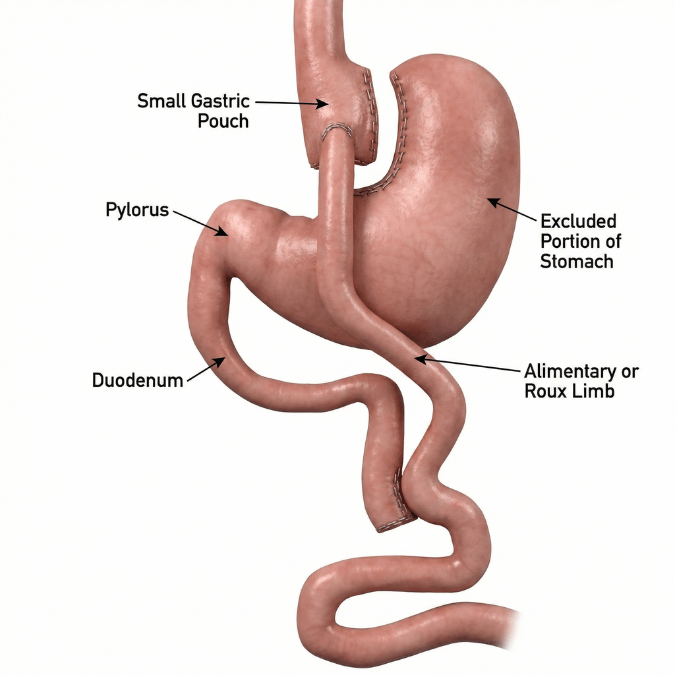
Your stomach is smaller, stomach acid may be reduced, and some procedures bypass part of the intestine where medications are absorbed. As a result, pills may not dissolve or absorb the same way they did before surgery. Rapid weight loss can also cause some medications to become too strong, while others may no longer be necessary at their previous doses.
Never stop, restart, or change a prescription on your own. Medication changes should be made with your bariatric surgeon, primary care physician, prescribing specialist, or pharmacist.
Permanent Medication and Lifestyle Rules
Avoid NSAIDs after gastric bypass
NSAIDs are nonsteroidal anti-inflammatory drugs that can increase the risk of ulcers, bleeding, perforation, and other complications after bariatric surgery.
Common NSAIDs include:
- Ibuprofen, such as Advil and Motrin
- Naproxen, such as Aleve and Naprosyn
- Aspirin
- Diclofenac
- Meloxicam, such as Mobic
- Celecoxib, such as Celebrex
- Ketorolac, such as Toradol
- Indomethacin
- Goody’s Powder
- BC Powder
- Excedrin
- Alka-Seltzer
- Some combination cold, sinus, migraine, and menstrual-pain products
After gastric bypass, avoiding NSAIDs is generally considered a permanent restriction. After sleeve gastrectomy, your surgeon may approve limited use in specific circumstances, but you should never take one without approval.
Always read medication labels carefully. If you are unsure whether a product contains an NSAID, ask your pharmacist or bariatric care team.
Acetaminophen, such as Tylenol, is generally the preferred over-the-counter pain reliever, but use it only as directed and ask your clinician if you have liver disease or take other medications containing acetaminophen.
Avoid smoking, vaping, and nicotine
Nicotine can increase the risk of ulcers, poor healing, and other complications. This includes cigarettes, vaping products, chewing tobacco, nicotine pouches, patches, and gum unless your surgeon has specifically approved them as part of a supervised quit plan.
Avoid alcohol during early recovery
Avoid alcohol completely for at least the first six months, or for the period recommended by your bariatric team. After surgery, alcohol may be absorbed more quickly and affect you more strongly. Long-term alcohol-related risks may also increase after bariatric surgery.
How to Take Pills During the First Weeks
For approximately four to eight weeks, or for as long as your surgeon recommends:
- Use liquid, chewable, or crushable medications whenever available.
- Crush large tablets only when your pharmacist confirms that it is safe.
- Mix crushed medication with water, sugar-free applesauce, or yogurt when appropriate.
- Open capsules only when your pharmacist confirms that the medication can be opened.
- Take medications one at a time with a small sip of water.
- Split large tablets only when your pharmacist approves.
Never crush or open extended-release, delayed-release, sustained-release, controlled-release, long-acting, or enteric-coated medications without professional approval. These may be identified by abbreviations such as ER, XR, XL, SR, CR, LA, DR, or EC. Crushing them can release too much medication at once.
Ask your pharmacist:
“Which of my medications can be crushed, and which are available in liquid form?”
Have your complete medication list reviewed before surgery.
Medications That May Need Adjustment
Medication needs can change quickly during the period of rapid weight loss. Monitor your health at home as instructed and report your readings to your care team rather than waiting for your next appointment.
Diabetes medications
Blood sugar may improve within days after sleeve gastrectomy, gastric bypass, or duodenal switch. Diabetes medications often need to be reduced promptly.
- Check your blood sugar as instructed and keep a written record.
- Insulin and sulfonylureas—including glipizide, glyburide, and glimepiride—can cause dangerously low blood sugar and may require early dose reduction.
- Metformin may be continued for a period while other medications are reduced.
- SGLT2 inhibitors—including Jardiance, Farxiga, and Invokana—may need to be held around surgery.
- GLP-1 medications—including Ozempic, Wegovy, Mounjaro, Zepbound, and Trulicity—may need to be held before surgery. Your care team will tell you if and when to restart them.
- People with type 1 diabetes must not stop insulin completely. A diabetes specialist must help plan medication changes.
Symptoms of low blood sugar can include shakiness, sweating, confusion, rapid heartbeat, sudden hunger, and dizziness. Treat low blood sugar according to your medical plan and contact your prescribing clinician promptly.
Blood pressure medications
Blood pressure may improve quickly after surgery, sometimes before substantial weight loss occurs. These medications are usually reduced gradually rather than stopped without supervision.
- Check your blood pressure at home and keep a log.
- Report consistently low readings.
- Report dizziness or lightheadedness, particularly when standing.
- Diuretics, or “water pills,” require special attention because they may increase the risk of dehydration during early recovery.
Cholesterol medications
Weight loss may improve cholesterol levels, but the response varies. Continue cholesterol medication unless your physician tells you to stop. Your lipid levels should be monitored periodically.
Thyroid medication
Medication absorption and thyroid levels may change after surgery. Your clinician may need to recheck your levels and adjust your dose.
Antidepressants and psychiatric medications
Do not stop these medications on your own. Absorption may change, and some people require a dose or formulation adjustment. Tell your prescribing clinician that you have had bariatric surgery. Report significant mood changes promptly.
Blood thinners
Warfarin may require more frequent INR monitoring because medication absorption and diet can change. Direct oral anticoagulants should also be reviewed with the prescribing clinician.
If you are prescribed an injectable blood thinner after surgery, follow the instructions and complete the prescribed course unless your clinician tells you otherwise.
Seizure, transplant, and heart rhythm medications
These medications often have a narrow safety range. Even small changes in absorption can be important. Your prescribing specialist should know about your surgery, and medication levels may need close monitoring.
Birth control
After procedures that bypass part of the intestine, oral contraceptive pills may be less reliable. A non-oral method—such as an intrauterine device, injection, implant, or another clinician-approved option—may be preferred. Use backup contraception when recommended.
Pregnancy is generally delayed for 12 to 24 months after bariatric surgery because rapid weight loss and changing nutrient levels can create risks. Discuss contraception and pregnancy planning with your care team.
Vitamins Are Medications Too
Vitamin and mineral supplements are lifelong treatment after bariatric surgery. They are not optional, regardless of the procedure.
Your individualized regimen may include:
- A bariatric multivitamin
- Calcium citrate
- Vitamin D
- Vitamin B12
- Iron, particularly for menstruating women
- Additional vitamins and minerals after a duodenal switch, including vitamins A, E, and K
Important timing rules:
- Separate calcium and iron by at least two hours because they can interfere with each other’s absorption.
- Use calcium citrate rather than calcium carbonate unless your clinician gives different instructions.
- Take supplements exactly as prescribed.
Blood tests are commonly checked every three to six months during the first year and at least annually thereafter. Nutritional deficiencies can develop silently, so keep all laboratory appointments.
Before Surgery
- Bring all prescription medications, over-the-counter products, herbals, and supplements to your preoperative visit.
- Ask which medications to stop, which to hold on the morning of surgery, and which to take with a small sip of water.
- Ask your pharmacist which medications can be crushed and which are available in liquid form.
- Discuss alternatives if you regularly take NSAIDs for chronic pain.
- Fill your postoperative prescriptions before your surgery date.
After Surgery
Tell every healthcare professional:
“I have had bariatric surgery.”
This includes your primary care clinician, specialists, dentist, urgent-care providers, emergency-room staff, and pharmacist. Bariatric surgery can affect medication selection, dosing, and absorption.
Bring your complete medication list to every appointment. Before starting any new prescription, over-the-counter medication, supplement, or herbal product, check with your bariatric team or pharmacist.
Contact your care team if you experience:
- Low blood sugar episodes
- Dizziness or lightheadedness when standing
- Repeatedly low blood pressure or blood sugar readings
- A medication that suddenly feels stronger or weaker than usual
- Whole or undissolved pills in your stool
- New or worsening stomach pain, especially burning pain
Personal Medication List
For each medication you take, write down its name, dose, what it is for, whether it can be crushed or taken as a liquid, and any change your team makes after surgery. Bring this list to every visit.
Quick Summary
- Avoid NSAIDs after gastric bypass and follow your surgeon’s instructions after sleeve gastrectomy.
- Avoid nicotine in all forms.
- Avoid alcohol during the early recovery period.
- Use liquid, chewable, or approved crushable medications during the first several weeks.
- Never crush ER, XR, XL, SR, CR, LA, DR, or EC medications without professional approval.
- Diabetes medications often need rapid adjustment. Monitor and report your readings.
- Blood pressure medications may need gradual reduction. Keep a home log.
- Do not stop cholesterol, thyroid, psychiatric, seizure, transplant, or heart rhythm medications without medical guidance.
- Oral birth control may be less reliable after certain procedures.
- Delay pregnancy for the period recommended by your bariatric team, commonly 12 to 24 months.
- Take lifelong bariatric vitamins and minerals.
- Tell every healthcare professional that you have had bariatric surgery.
Questions or concerns: call our office at 305-692-0392 during office hours (Monday–Friday, 8:30 AM–5 PM). After hours, call our 24-hour line at 786-635-0400. For an emergency, call 911 or go to the nearest emergency department.
This guide provides general education and does not replace individualized medical advice. Always follow the instructions of your bariatric surgeon, prescribing clinician, and pharmacist.
Featured Procedures






Conditions






FAQ
Avoid NSAIDs such as ibuprofen, naproxen, aspirin, meloxicam, and similar medications unless your surgeon specifically approves them. After gastric bypass, NSAIDs can increase the risk of ulcers, bleeding, perforation, and other complications. Acetaminophen, such as Tylenol, is generally preferred, but always follow dosing instructions and check with your healthcare provider.
Some medications may need to be changed after surgery. During the first several weeks, your care team may recommend liquid, chewable, or approved crushable forms. Never crush or open extended-release, delayed-release, or enteric-coated medications unless your pharmacist confirms it is safe. Ask your pharmacist to review every medication you take.
They may. Blood sugar and blood pressure can improve quickly after bariatric surgery, so doses may need to be reduced to prevent low blood sugar or low blood pressure. Monitor your readings as directed and contact your prescribing clinician before making any medication changes yourself.
Yes. Bariatric vitamins and mineral supplements are usually lifelong because surgery can reduce nutrient absorption. Your regimen may include a bariatric multivitamin, calcium citrate, vitamin D, vitamin B12, and iron. Calcium and iron should generally be taken at least two hours apart, and regular blood tests are needed to monitor for deficiencies.
Do not take ibuprofen, naproxen, aspirin or other NSAIDs unless your bariatric team specifically approves them. These medications increase the risk of ulcers, bleeding and perforation, especially at the connection after gastric bypass, where marginal ulcers can form. Acetaminophen (Tylenol) is usually the safer choice for pain. Check labels carefully, since many cold and pain products contain NSAIDs, and tell all your doctors that you have had bariatric surgery.
Do not stop any medication on your own. Your surgical team will give specific instructions for blood thinners, diabetes medications, GLP-1 medications (such as semaglutide or tirzepatide, which slow stomach emptying and may need to be held before anesthesia), certain supplements, birth control containing estrogen, and NSAIDs. Some medications are stopped days to weeks ahead, while others — like most blood pressure medications — are continued. Bring a complete list of everything you take to your pre-operative visit.