
The Real Results After Bariatric Surgery: A Complete Patient Guide

Quick Answer
Watch Related Video
Article
TABLE OF CONTENTS
1. Why the Scale Is the Wrong Measure2. What Actually Happens to Your Weight3. Type 2 Diabetes: Why Timing Changes Everything4. Blood Pressure, Cholesterol, and Your Heart5. Sleep Apnea and Getting Off CPAP6. Your Liver: The Organ Nobody Thinks About7. Cancer: The Six-Year Clock8. Living Longer: The Mortality Data9. Joints, Mobility, and Getting Your Body Back10. The First Three Months: What Scares People11. Mental Health: The Honest Version12. Loose Skin and Body Image13. Relationships, Marriage, and Intimacy14. Fertility, PCOS, and Pregnancy15. Work, Income, and Quality of Life16. Bone Density: The Risk Nobody Warns You About17. Alcohol and Why Your Tolerance Changes18. The Cost of Waiting19. FAQ20. People Also Ask21. Real Results by the Numbers22. Key Takeaways
INTRODUCTION
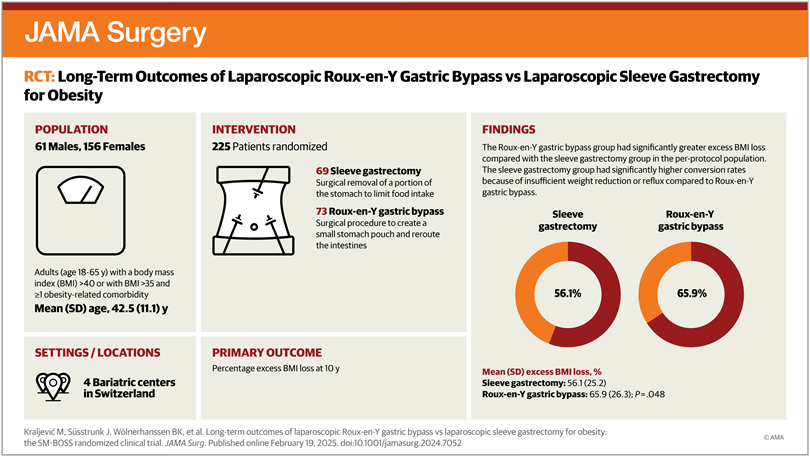
Most conversations about bariatric surgery stop at the number on the scale.Before and after photographs. Pounds lost. Dress sizes. Entire practices arebuilt on that one metric, and patients arrive in my office asking a version ofthe same question every time: how much weight will I lose?It is the wrong question. Or at least, it is the least interesting one.Because what actually happens after this operation is that a person with achronic, progressive disease stops progressing. Their diabetes goes intoremission. Their CPAP machine goes in a closet. Their liver scarring reverses.Their risk of dying from cancer is cut roughly in half. They live longer.And alongside all of that, some things happen that nobody warns them about.Their hair falls out at month three. Their tolerance for alcohol changespermanently. Their bone density drops. Some marriages get stronger and some donot survive. A small number of patients develop problems with substances thatthey did not have before.Both halves are true. Patients making a decision that affects the next fortyyears of their life deserve both halves.This guide is my attempt to put the complete picture in one place, includingthe parts that do not appear in brochures.Why the Scale Is the Wrong MeasureWeight is a proxy. It is easy to measure, easy to photograph, and easy tomarket. But nobody dies of a number on a scale. People die of heart attacks,strokes, cancer, liver failure, and the complications of uncontrolled diabetes.Metabolic and bariatric surgery is a treatment for those diseases. Weight lossis the mechanism, not the goal.Once patients understand that distinction, the entire decision changes. Theystop asking whether they will look different at six months, and they startasking what their risk profile looks like at fifteen years. That is the correctquestion.What Actually Happens to Your WeightLet us handle the number first so we can move past it.In a prospectively followed cohort of 486 patients who underwent laparoscopicRoux-en-Y gastric bypass with at least 15 years of follow-up, maximum totalweight loss averaged 36.2 percent at two years. More importantly, 25 percent orgreater total weight loss was consistently maintained at 1, 5, 10, and 15years, with 28.0 percent total weight loss still present at 15 years.In the Swedish Obese Subjects study, patients in the gastric bypass groupsustained a loss of more than 25 percent of total body weight over 20 years.A note on how these numbers get reported. You will often see "excessweight loss" quoted instead, which produces bigger, more impressivepercentages. Total body weight loss is the more honest measure, and it is theone used in serious research. If a program is quoting you excess weight losspercentages in the seventies, ask what the total body weight loss figure is.Some weight regain from the lowest point is normal and expected after everyprocedure. It is not failure. It is the natural history of a chronic diseasebeing treated.Type 2 Diabetes: Why Timing Changes EverythingThis is where the operation stops being about weight.In that same 15-year gastric bypass cohort, improvement or resolution of type 2diabetes occurred in 98.8 percent of affected patients within the firstpostoperative year, and rates of improved or resolved comorbidity remained highthrough at least 10 years.Long-term randomized data are more conservative and more realistic across amixed population. In a 10-year prospective randomized trial, improvement orremission occurred in 68 percent for diabetes, 61 percent for hypertension, and57 percent for dyslipidemia, with gastric bypass substantially outperforminggastric banding.The honest answer is that the range is wide, and it depends heavily on threethings: which operation you have, how long you have had diabetes, and whetheryou stay in follow-up.Here is the part that matters most for anyone currently deciding. Remission isfar more likely and far more durable in patients with a shorter duration ofdiabetes and who are not yet insulin dependent. Every year of waiting makesremission less likely. The pancreas has a finite reserve, and once beta cellfunction is lost, no operation restores it.There is also a striking physiologic detail. Glycemic improvement after gastricbypass and duodenal switch procedures often begins within days of surgery,before any meaningful weight loss has occurred. This happens because ofhormonal changes in the gut, particularly a surge in GLP-1 and PYY, not becauseof the weight coming off. The weight loss consolidates the benefit later.Blood Pressure, Cholesterol, and Your HeartRisk factors improve, but the more important finding is that events decrease.A meta-analysis of 49 studies found that bariatric surgery was associated withreductions in coronary artery disease (hazard ratio 0.68), myocardialinfarction (0.53), heart failure (0.45), cerebrovascular accident or stroke(0.68), and cardiovascular mortality (0.48). The effect on atrial fibrillationwas not statistically significant.Read that list again. Roughly half the risk of a heart attack. Roughly half therisk of dying from cardiovascular disease. Less than half the risk of heartfailure.These are hard clinical endpoints, not surrogate markers like cholesterolnumbers. When a 45-year-old asks me whether this operation is worth it, this isthe paragraph I point to.In the 15-year gastric bypass cohort, high blood pressure improved or resolvedin 94.7 percent of affected patients within the first year.Sleep Apnea and Getting Off CPAPObstructive sleep apnea improved or resolved in 96.6 percent of affectedpatients within the first postoperative year in the long-term gastric bypasscohort. Randomized trials have confirmed benefit for sleep apnea when comparedagainst best available medical therapy.For most patients this is the fastest and most noticeable quality of lifechange. Sleep improves within weeks. Daytime fatigue lifts. Blood pressureoften improves as a downstream effect of treating the apnea.Important safety point: do not stop using CPAP on your own. Resolution needs tobe confirmed with a repeat sleep study. Untreated apnea during thepostoperative period is a genuine risk.Your Liver: The Organ Nobody Thinks AboutFatty liver disease is the quietest of the obesity-related conditions. Itproduces no symptoms until it produces catastrophic ones.Randomized trial data have confirmed that bariatric surgery improves liveroutcomes, including liver fibrosis, compared with best available medicaltherapy. This is significant because fibrosis was long considered difficult toreverse. Metabolic surgery is currently one of the most effective interventionsavailable for advanced fatty liver disease.Patients rarely list their liver among their reasons for pursuing surgery. Interms of years of life saved, it may be one of the most important.Cancer: The Six-Year ClockThis is the section I most want people to read.In a matched cohort study of 30,318 patients with a BMI of 35 or greater,bariatric surgery was associated with a 32 percent reduction in the incidenceof obesity-associated cancer at a median follow-up of 6.1 years. The 10-yearcumulative incidence was 2.9 percent in the surgical group compared with 4.9percent in the nonsurgical group. Cancer-related mortality was 0.8 percentversus 1.4 percent at 10 years, an adjusted hazard ratio of 0.52.In plain terms: cancer deaths were reduced by roughly half.Now the detail that almost nobody communicates. When you look at the survivalcurves from that study, the two groups are essentially superimposed for thefirst several years. They track together. Nothing appears to be happening.Clear separation between the curves emerges around six years after theoperation.That has a direct and uncomfortable implication. This particular benefit is notimmediate. It takes years to accumulate. Which means that deferring surgery isnot a neutral decision. It delays the start of a clock that requires roughlysix years to produce visible protection.Every time a patient tells me they want to try one more thing first, or comeback next year, I think about that six-year gap.The finding also held nearly identically for both gastric bypass and sleevegastrectomy, which suggests the protection comes from sustained weight lossitself rather than from any procedure-specific rerouting of anatomy.The signal repeats across independent datasets. A Utah cohort of 21,837surgical patients matched one to one found 25 percent lower all-cancerincidence, with a 41 percent reduction in obesity-related cancers among womenand significantly lower cancer mortality in women. In the Swedish ObeseSubjects study at a median follow-up of 26.8 years, surgery was associated withlower overall cancer incidence in women but not in men, with a statisticallysignificant interaction between sex and treatment, and the strongestassociations seen in women who had high baseline insulin levels.That sex difference is real and replicated. Women appear to derive greatercancer protection than men. It deserves to be stated plainly rather thanaveraged into a single headline number.Living Longer: The Mortality DataTaken together, the mortality picture is the strongest argument for theoperation.Cardiovascular mortality is reduced by approximately half. Cancer mortality isreduced by approximately half. Long-term reviews of metabolic and bariatricsurgery outcomes in adults consistently document reduced all-cause mortalityalongside durable weight loss, comorbidity remission, and improved quality oflife sustained at 10 years.This is not a cosmetic operation. It is a life-extending one. That framing isnot marketing language, it is what the outcome data describe.Joints, Mobility, and Getting Your Body BackJoint pain and mobility limitation are among the first things patients noticeimproving, often before any lab value changes.Mechanical load on the knees and hips decreases substantially with weight loss,and quality of life measures improve and remain improved at 10 years inlong-term follow-up. Patients who could not walk a block often report walkingnormally within months. Some patients who were told they needed a kneereplacement no longer need one. Others who were denied joint replacementbecause of their BMI become candidates.Mobility is also self-reinforcing. Patients who can move exercise more, andpatients who exercise preserve muscle and bone, which protects their long-termresults.The First Three Months: What Scares PeopleNow the part that gets left out of the consultation.Hair loss is the most common nutritional symptom after bariatric surgery. In acohort of more than 1,000 patients, hair loss affected 65 percent within thefirst year and declined to 35 percent at three years or more. There was nosignificant difference between sleeve gastrectomy and gastric bypass. It wasassociated with lower protein and iron parameters, and notably not with zinc orB vitamin levels, which is worth knowing because patients often self-treat withthe wrong supplement.It typically starts around month three, peaks between months three and six, andgrows back. It is frightening precisely because nobody warns people it iscoming.Dysphagia, early satiety, nausea, and increased fluid requirements are the mostcommonly reported early problems, and they are what drive dehydration, ketosis,and constipation in the first weeks. Dehydration is the leading cause of earlyreadmission after bariatric surgery.Over the longer term, dumping syndrome affects roughly 40 percent of gastricbypass patients, gallstones develop in roughly 30 percent, and marginal ulceroccurs in 1 to 16 percent after gastric bypass.None of this is a reason to avoid the operation. All of it is a reason to beprepared. A patient who expects hair loss at month three does not panic atmonth three.Mental Health: The Honest VersionMost patients get better. Some do not. Both statements are true, and bothbelong in an honest conversation.A meta-analysis of 90 publications covering 13,146 patients found thatdepressive symptoms improved after all procedure types, with standardized meandifferences of negative 0.6 in the short term, negative 0.9 at 5 to 12 months,and negative 0.7 beyond 12 months. Improvement peaked in the medium term anddiminished somewhat over time. A subset of patients experienced worseningsymptoms after surgery, and the type of surgery did not explain who thosepatients were.A systematic review and meta-analysis of 79 studies including 732,149 surgicalpatients found probable improvement in depressive symptoms, anxiety symptoms,and non-normative eating behaviors. The same review found a small increase insuicide deaths, approximately 1 additional per 1,000, and in substance usedisorders, approximately 4 additional per 100, beyond two years after surgery.The certainty of that evidence was graded as low to very low. An umbrellareview reached similar conclusions and noted that alcohol use disorder risk wasunchanged during the first two postoperative years but increased in the thirdyear.There is also a timing pattern that helps set expectations. In a longitudinalcohort, anxiety and sleep quality improved at every postoperative time pointmeasured, while depressive symptoms did not significantly improve until oneyear. Patients who feel less anxious but not less depressed at month three arenot failing. They are on schedule.The practical takeaway: surgery changes your body, not your history. Patientswith a psychiatric history need ongoing support after surgery, not justclearance before it.Loose Skin and Body ImageBody image improves for most patients, but not always in the way they expect.Excess skin after major weight loss is common and is a genuine source ofdistress, hygiene problems, and clothing difficulty. It is also the single mostfrequent surprise patients report.Body contouring surgery is an option, generally considered at least 12 to 18months after the primary operation once weight has stabilized. Insurancecoverage is inconsistent and often depends on documented skin complicationsrather than appearance.Setting this expectation before surgery, rather than discovering it at monthfourteen, changes how patients experience their own success.Relationships, Marriage, and IntimacyMajor weight loss changes relationships. Not always in one direction.Sexual function and intimacy generally improve, tracking closely withimprovements in mobility, energy, hormonal function, and self-image. Socialparticipation increases. Many patients describe re-entering parts of life theyhad quietly withdrawn from.At the same time, relationships that were built around a particular dynamic canbe strained by rapid change. Partners sometimes respond to a spouse'stransformation with insecurity. Some patients find that relationships whichwere already fragile do not survive the change, while strong relationships tendto get stronger.None of this is a reason to avoid surgery, and it is not a prediction about anyindividual couple. It is a reason to bring a partner into the process early, sothe change is something that happens with them rather than to them.Fertility, PCOS, and PregnancyFor women of reproductive age, this is often the most life-altering category ofall.A meta-analysis of 20 studies found significant reductions in infertility andin menstrual cycle irregularity, both with a risk difference of negative 0.24,with no increase in miscarriage or congenital malformation rates. The sameanalysis found a generally increased risk of vitamin deficiency after surgery,which is the central caution.Women with polycystic ovary syndrome frequently see ovulatory cycles return.Fertility can return quickly and unexpectedly, sometimes in women who had beentold they could not conceive.Timing matters. ASMBS, AACE, and ACOG recommend avoiding pregnancy for 12 to 24months after surgery, during the period of most rapid weight loss and greatestnutritional deficiency risk. After surgery, small-for-gestational-age infantsand preterm birth are more common, while preeclampsia and gestational diabetesare less common.One practical point that gets missed constantly: oral contraceptiveeffectiveness may be reduced by malabsorption after bariatric procedures, whichmakes long-acting reversible contraception the preferred choice during thefirst two years.Work, Income, and Quality of LifeQuality of life improves and, importantly, stays improved. Long-term follow-upof metabolic and bariatric surgery documents improved quality of life sustainedat 10 years.Patients report increased work capacity, fewer sick days, greater physicalfunction, and reduced medication burden. The reduction in prescription costsalone is substantial for patients managing diabetes, hypertension, and sleepapnea simultaneously.Bone Density: The Risk Nobody Warns You AboutBone loss after bariatric surgery is real, it is measurable, and it isunder-discussed.Rapid weight loss, reduced mechanical loading, calcium and vitamin Dmalabsorption, and hormonal changes all contribute. The risk is greatest aftermalabsorptive procedures such as duodenal switch and gastric bypass, and itcontinues over years rather than resolving.The countermeasures are straightforward and effective: adequate protein intake,resistance training at least twice weekly, calcium citrate, vitamin D titratedto blood levels, and periodic monitoring. DEXA scanning is reasonable atbaseline and periodically thereafter, particularly after malabsorptiveprocedures.This is one of the strongest arguments for the resistance training component ofa postoperative exercise plan. It protects muscle and bone at the same time.Alcohol and Why Your Tolerance ChangesAlcohol is absorbed faster and reaches higher peak levels after bariatricsurgery, particularly after gastric bypass. The effect is more potent and comeson more quickly than before surgery.Combined with the finding that alcohol use disorder risk appears to rise in thethird postoperative year, this deserves an explicit conversation rather than afootnote. Patients with any prior history of problem drinking need it addressedbefore surgery and monitored afterward.The Cost of WaitingEverything above points to a single conclusion that patients rarely hear stateddirectly.Diabetes remission is more likely and more durable the earlier you intervene.Cancer protection takes roughly six years to appear in the data. Cardiovascularevents prevented are events that would otherwise have already happened. Jointdamage accumulated over years of mechanical load does not fully reverse.Waiting is not a neutral choice. It is a choice with a measurable cost, paidquietly, over years, in benefits that never accrue.
Obesity By The Numbers
For additional context and a deeper professionalperspective, you can read the companion LinkedIn article linked below.
Why am I losing my hair after bariatric surgery?Hair loss affects approximately 65 percent of patients in the first year,typically starting around month three. It is associated with lower protein andiron levels rather than zinc or B vitamin deficiency. It declines to about 35percent at three years or more and generally regrows. Adequate protein intakeand iron repletion are the appropriate responses.Does bariatric surgery cause depression?For most patients, depressive symptoms improve. A meta-analysis of 13,146patients found improvement across all procedure types, peaking in the mediumterm. However, a subset of patients experience worsening symptoms, and largerreviews found a small increase in suicide deaths of roughly 1 per 1,000 beyondtwo years, graded as low certainty evidence. Ongoing psychological supportafter surgery is essential, particularly for patients with a psychiatrichistory.Will bariatric surgery affect my marriage?Relationships change. Intimacy and sexual function generally improve alongsidemobility, energy, and self-image. Strong relationships often strengthen, whilerelationships that were already strained can be tested by rapid change.Involving a partner early in the process is the most effective way to make thechange shared rather than isolating.Can I get pregnant after bariatric surgery?Yes, and fertility often returns quickly, including in women previously toldthey could not conceive. Infertility and menstrual irregularity both decreasesignificantly after surgery. Pregnancy should be delayed 12 to 24 months toallow weight stabilization and nutritional optimization. Oral contraceptiveabsorption may be reduced, so long-acting reversible contraception is preferredduring that window.Does bariatric surgery increase alcohol problems?Alcohol is absorbed faster and reaches higher peak levels after surgery,particularly after gastric bypass. Alcohol use disorder risk appears unchangedduring the first two postoperative years but increases in the third year.Patients with any prior history of problem drinking need this addressed beforesurgery and monitored long-term.Is bariatric surgery worth it?Based on outcome data, yes for appropriately selected patients. It producesdurable weight loss, high rates of comorbidity remission, roughly half the riskof cardiovascular and cancer death, improved fertility, and quality of lifegains sustained at 10 years. It also requires lifelong vitamin supplementationand follow-up, and carries a small increase in substance use disorder risk.Both sides belong in the decision.People Also Ask (Bonus SEO Section)Should I wait to have bariatric surgery?The data argue against waiting. Diabetes remission becomes less likely asdisease duration increases and beta cell function declines. Cancer protectiondoes not become visible in survival data until approximately six years aftersurgery. Cardiovascular events prevented are events that would otherwisealready have occurred. Delay has a measurable cost.Is bariatric surgery cosmetic surgery?No. It is a treatment for a chronic metabolic disease, associated with roughly50 percent reductions in cardiovascular and cancer mortality, resolution ofdiabetes, sleep apnea, hypertension, and reversal of liver fibrosis. Weightloss is the mechanism by which those benefits occur, not the purpose of theoperation.Do the benefits of bariatric surgery last?Yes. Total weight loss of 28 percent persists at 15 years after gastric bypass,comorbidity improvement remains high through at least 10 years, and quality oflife improvements are sustained at 10 years. Some weight regain from the lowestpoint is normal and does not eliminate the metabolic benefits.Do men and women get the same benefits from bariatric surgery?Not identically for cancer. In the Swedish Obese Subjects study at a median26.8 years of follow-up, surgery was associated with lower overall cancerincidence in women but not in men, with a significant sex by treatmentinteraction. A Utah cohort similarly found a 41 percent reduction inobesity-related cancers among women and significantly lower cancer mortality inwomen. Cardiovascular and metabolic benefits apply to both.What is the most underrated benefit of bariatric surgery?Reversal of liver fibrosis and reduction in cancer mortality. Neither producessymptoms the patient can feel, so neither motivates patients in the way thatweight loss does, yet both may contribute more to added years of life thananything visible in a mirror.
Real Results by the Numbers (Related Stats Box)Outcome | ResultTotal weight loss at 2 years (RYGB) | 36.2 percentTotal weight loss at 15 years (RYGB) | 28.0 percentTotal weight loss at 20 years (SOS, bypass) | Greater than 25 percentType 2 diabetes improved or resolved, year 1 | 98.8 percentSleep apnea improved or resolved, year 1 | 96.6 percentHypertension improved or resolved, year 1 | 94.7 percentGERD improved or resolved, year 1 | 97.3 percentDiabetes improvement or remission, 10-year RCT | 68 percentHypertension improvement or remission, 10-year RCT | 61 percentDyslipidemia improvement or remission, 10-year RCT | 57 percentCoronary artery disease | HR 0.68Myocardial infarction | HR 0.53Heart failure | HR 0.45Stroke | HR 0.68Cardiovascular mortality | HR 0.48Obesity-associated cancer incidence reduction | 32 percentCancer incidence at 10 years, surgery vs no surgery | 2.9 vs 4.9 percentCancer mortality at 10 years, surgery vs no surgery | 0.8 vs 1.4 percentCancer mortality hazard ratio | 0.52Time until cancer survival curves separate | Approximately 6 yearsAll-cancer incidence reduction (Utah cohort) | 25 percentObesity-related cancer reduction in women (Utah) | 41 percentHair loss in first year | 65 percentHair loss at 3 or more years | 35 percentDumping syndrome after gastric bypass | Approximately 40 percentGallstones after surgery | Approximately 30 percentMarginal ulcer after gastric bypass | 1 to 16 percentAdditional suicide deaths beyond 2 years | Approximately 1 per 1,000Additional substance use disorders beyond 2 years | Approximately 4 per 100Reduction in infertility | Risk difference negative 0.24Recommended delay before pregnancy | 12 to 24 months
Bariatric surgery resets gut hormones, reduces ghrelin, increases GLP‑1 and PYY, improves insulin sensitivity, lowers inflammation, and shifts the defended set‑point — driving long-term metabolic improvement.
Medical Topics Covered


Dr. de la Cruz‑Muñoz specializes in advanced minimally invasive and robotic surgery, metabolic disease management, and comprehensive long‑term patient care. His work integrates clinical expertise, academic leadership, and a commitment to evidence‑based medicine. He has trained surgeons across the country, contributed to national guidelines, and is widely regarded for his outcomes, innovation, and patient‑centered approach.
Patients choose Dr. de la Cruz‑Muñoz for his combination of surgical excellence, metabolic expertise, and lifelong dedication to improving patient health through compassionate, high‑quality care.
Procedures We Offer









FAQ
Beyond durable weight loss of approximately 28percent of total body weight at 15 years after gastric bypass, results includeimprovement or resolution of type 2 diabetes in up to 98.8 percent of patients,sleep apnea in 96.6 percent, and high blood pressure in 94.7 percent within thefirst year. Cardiovascular mortality is reduced by roughly half, cancermortality by roughly half, and quality of life improvements persist at 10years.
Long-term data after gastric bypass show maximumtotal weight loss of approximately 36 percent at two years, with 28 percenttotal weight loss maintained at 15 years. Swedish Obese Subjects data showsustained loss of more than 25 percent of total body weight over 20 years.Total body weight loss is a more honest measure than excess weight loss.
Remission is common but not guaranteed.Improvement or resolution occurred in up to 98.8 percent of patients within thefirst year in one long-term cohort, while a 10-year randomized trial found 68percent improvement or remission across a mixed population. Remission is mostlikely in patients with shorter diabetes duration who are not yet insulindependent, which is why earlier surgery produces better metabolic outcomes.
Yes. In a matched study of 30,318 patients,obesity-associated cancer incidence was 32 percent lower and cancer-relatedmortality was 48 percent lower after surgery. Importantly, the survival curvesdid not separate until approximately six years after the operation, meaningthis benefit requires sustained weight loss over time to appear.
The available long-term data support reducedall-cause mortality, driven substantially by roughly 50 percent reductions inboth cardiovascular and cancer-related death. This is a life-extendingoperation, not a cosmetic one.
People Also Ask
Obesity is recognized as a chronic metabolic disease influenced by genetics, hormones, environment, and biological factors — not simply lifestyle choices.
The body has built-in mechanisms that defend weight, including hunger hormones and metabolic adaptations that make long-term weight loss challenging.
Yes. Genetics can significantly influence body weight regulation, appetite, metabolism, and an individual's susceptibility to obesity.
GLP-1 medications help regulate appetite, slow stomach emptying, improve satiety, and support sustainable weight management.
Yes. Obesity is associated with conditions such as Type 2 diabetes, hypertension, sleep apnea, fatty liver disease, and cardiovascular disease.
Dieting alone often cannot overcome the biological adaptations that increase hunger and decrease energy expenditure after weight loss.
Medical evaluation may be appropriate when excess weight affects health, quality of life, or contributes to obesity-related medical conditions.
Yes. Bariatric surgery addresses biological and metabolic factors involved in obesity and can lead to significant long-term health improvements.
Video