Vitamin and Supplement Guide After Bariatric Surgery

Why Vitamins Are Required for Life
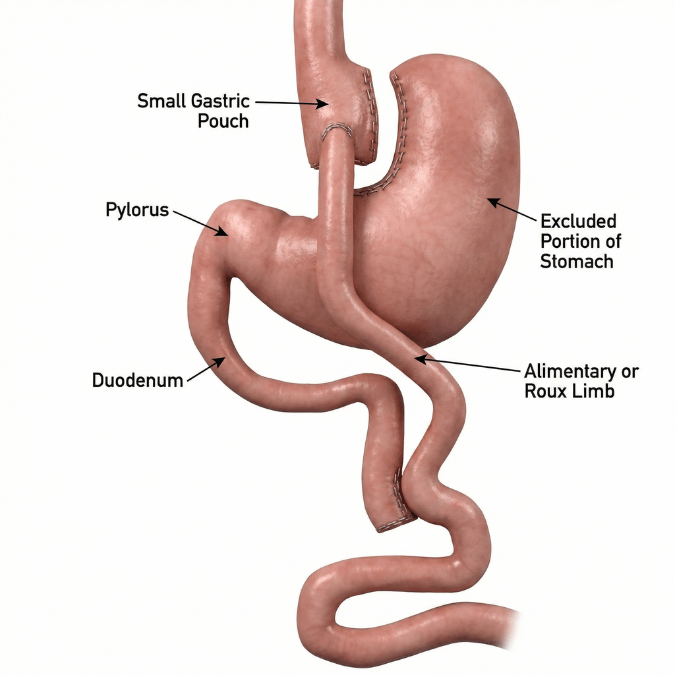
After bariatric surgery, your stomach is smaller, stomach acid may be reduced, and some procedures bypass portions of the intestine where nutrients are absorbed. As a result, food alone may not provide all the vitamins and minerals your body needs—even when you follow a healthy diet.
Without consistent supplementation and laboratory monitoring, nutrient deficiencies can lead to anemia, bone loss, nerve damage, vision problems, and, in severe cases, permanent neurological injury. These complications are often preventable.
Taking your prescribed vitamins every day and completing laboratory testing on schedule are among the most important ways to protect your long-term health after surgery.
Your exact supplement doses may vary based on your procedure, laboratory results, medical history, medications, and pregnancy plans. Do not start, stop, or change supplements without guidance from your bariatric team.
Essential Supplements for Bariatric Patients
Bariatric Multivitamin
- Take the number of bariatric-specific multivitamins recommended by your surgical team; many patients require two daily.
- Choose a product containing iron, folic acid, and thiamine.
- Chewable or liquid forms may be easier to tolerate during the early recovery period.
- A standard grocery-store multivitamin may not contain adequate amounts for bariatric patients.
Calcium Citrate
Calcium citrate is generally preferred after bariatric surgery because it does not require as much stomach acid for absorption.
Typical daily recommendations include:
- Sleeve gastrectomy or gastric bypass: approximately 1,200–1,500 mg per day
- Duodenal switch or SADI-S: approximately 1,800–2,400 mg per day
Take calcium in divided doses, generally no more than 500–600 mg at one time. Keep calcium separate from iron by at least two hours unless your care team provides different instructions.
Vitamin D
- Many patients require at least 3,000 IU daily.
- Duodenal switch and SADI-S patients may require substantially higher doses, sometimes including weekly prescription-strength vitamin D.
- Your dose should be adjusted according to blood levels.
- Your clinical team will determine the appropriate target range for you.
Vitamin B12
Vitamin B12 may be taken as:
- A sublingual tablet
- A nasal spray
- An oral supplement, when effective
- A periodic injection
B12 deficiency may take years to become obvious but can cause anemia and potentially permanent nerve damage. Patients who have undergone gastric bypass or duodenal switch may require closer monitoring.
Iron
- Typical supplementation ranges from 18–60 mg of elemental iron daily, depending on your needs.
- Take iron separately from calcium, usually by at least two hours.
- Vitamin C may improve iron absorption.
- Menstruating patients and those with a history of anemia may require additional iron.
- If oral iron is not tolerated or does not correct the deficiency, intravenous iron may be considered.
Do not take extra iron without laboratory and medical guidance, since excessive iron can also be harmful.
Folate
- Typical supplementation is approximately 400–800 mcg per day.
- Folate is especially important for individuals who may become pregnant.
- It is commonly included in a bariatric multivitamin.
Thiamine, or Vitamin B1
- Typical maintenance doses may range from 12–50 mg per day.
- The body stores only a limited amount of thiamine.
- Prolonged vomiting, poor intake, or rapid weight loss can cause thiamine deficiency.
If you are vomiting frequently after surgery or cannot keep down fluids and supplements, contact your surgical team promptly. Severe thiamine deficiency can cause a serious neurological condition requiring emergency treatment.
Additional Supplements After Duodenal Switch or SADI-S
Patients who undergo a duodenal switch or SADI-S generally need all standard bariatric supplements plus additional supplementation because these procedures can significantly reduce nutrient absorption.
Your team may recommend:
Vitamin A
- Often requires a dry or water-miscible formulation.
- May require approximately 10,000 IU daily or more, depending on laboratory results.
- Deficiency can cause night blindness and serious vision problems.
Vitamin A dosing requires special care during pregnancy or when pregnancy is possible. Never increase vitamin A without medical supervision.
Vitamin K
- May require approximately 300 mcg daily or more.
- Supports normal blood clotting and bone health.
Vitamin E
- May require approximately 400–1,200 IU daily, based on your clinical plan and laboratory results.
Zinc and Copper
- Zinc and copper should be monitored and supplemented in balance.
- Taking high-dose zinc without adequate copper can cause copper deficiency, anemia, and neurological problems.
- Your team will determine the appropriate ratio and dose based on laboratory testing.
Procedure-Specific Overview
After Sleeve Gastrectomy
Your plan may include:
- Bariatric multivitamin
- Calcium citrate
- Vitamin D
- Vitamin B12
- Iron, when indicated
- Folate
- Thiamine
After Gastric Bypass
The supplement plan is similar to sleeve gastrectomy, with particular attention to:
- Vitamin B12 absorption
- Iron deficiency
- Calcium and vitamin D levels
- Bone health
- Zinc and copper status
After Duodenal Switch or SADI-S
In addition to the standard bariatric regimen, patients may require:
- Higher amounts of calcium citrate and vitamin D
- Dry-form vitamin A
- Vitamin K and vitamin E
- Zinc and copper supplementation
- Protein monitoring
- More frequent laboratory testing
- Monitoring of other fat-soluble vitamins and minerals
Supplement Timing Tips
- Separate calcium and iron by at least two hours.
- Take iron with vitamin C when recommended.
- Take calcium in divided doses rather than all at once.
- Take fat-soluble vitamins—A, D, E, and K—with a meal containing some fat, unless instructed otherwise.
- Use a daily alarm, medication app, or pill organizer.
- Keep your supplements in a location that supports a consistent routine.
- Ask your pharmacist whether medications and supplements should be separated or adjusted.
Laboratory Monitoring
Laboratory monitoring is required throughout life after bariatric surgery. Testing helps identify deficiencies before they cause serious or permanent complications.
A common schedule is:
- During the first year: laboratory testing every 3–6 months
- After the first year: testing at least annually for life
- More frequently when results are abnormal, symptoms develop, or the procedure has a higher malabsorption risk
Your care team may check:
- Complete blood count
- Iron panel and ferritin
- Vitamin B12
- Folate
- Vitamin D
- Calcium
- Parathyroid hormone
- Albumin and other protein markers
- Comprehensive metabolic panel
- Hemoglobin A1c and cholesterol, when appropriate
Patients who have undergone duodenal switch or SADI-S may also need monitoring of:
- Vitamin A
- Vitamin E
- Vitamin K or INR
- Zinc
- Copper
- Additional protein and mineral markers
Bone Density Testing
A DEXA scan may be recommended before or soon after surgery and repeated every 1–2 years depending on your procedure, age, bone health, laboratory results, and other risk factors.
Warning Signs of a Possible Deficiency
Contact your bariatric team if you experience:
- Persistent or worsening fatigue or weakness
- Numbness or tingling in the hands or feet
- Hair loss that does not improve
- Easy bruising or prolonged bleeding
- Muscle cramps or spasms
- Confusion or difficulty walking
- Vision changes or night blindness
- Prolonged nausea or vomiting
- Bone pain or a fracture after a minor injury
Seek prompt medical attention for severe or rapidly worsening symptoms, especially confusion, difficulty walking, vision changes, fainting, or persistent vomiting.
The Bottom Line
Bariatric vitamins are not temporary. They are a lifelong part of your treatment plan.
The three most important habits after surgery are:
- Take your prescribed vitamins and supplements consistently.
- Complete laboratory testing on the schedule recommended by your care team.
- Report symptoms or difficulty tolerating supplements promptly.
Your surgery changed your anatomy. Lifelong supplementation and monitoring help protect your blood, nerves, bones, vision, and overall health.
Questions?
Contact our office: 305-692-0392 during office hours (Mon–Fri 8:30 AM–5 PM). After hours: call our 24-hour line at 786-635-0400. For emergencies, call 911 or go to the nearest emergency room.
This guide is for education and does not replace individualized medical advice. Supplement doses must be determined by your bariatric surgical team and adjusted according to your procedure and laboratory results.
Featured Procedures






Conditions




FAQ
Yes. Bariatric surgery permanently changes stomach size, stomach acid and how nutrients are absorbed. Without lifelong supplements, deficiencies in iron, B12, vitamin D, calcium, folate and other nutrients become likely and can cause anemia, bone loss, nerve damage and hair loss — sometimes years later. Taking vitamins daily and checking labs regularly prevents nearly all of these problems.
Usually not. Standard multivitamins often do not contain enough iron, vitamin B12, thiamine, vitamin D, folate or trace minerals to meet the higher needs after bariatric surgery. Bariatric-formulated vitamins are designed for reduced absorption and come in chewable, capsule or soft-chew forms that are easier to absorb early after surgery. If you prefer a standard product, your team can help you build an equivalent regimen with additional supplements, and labs will confirm whether it works.
It is best not to. Calcium interferes with iron absorption, so take them at least two hours apart. Iron is absorbed best on an empty stomach or with vitamin C, while calcium citrate is usually split into two or three doses through the day. After bariatric surgery, a common schedule is iron in the morning, calcium at lunch and dinner, and your multivitamin at another time. Follow the specific plan your bariatric team gives you, and have levels checked with annual labs.
Contact your bariatric surgical team promptly, especially if vomiting continues or you cannot keep down fluids. Prolonged vomiting can quickly lead to dehydration and thiamine deficiency, which may cause serious neurological complications. Do not simply stop your supplements without medical guidance.
Yes. Lifelong vitamin and mineral supplements are needed after nearly all bariatric operations, because a smaller stomach and rerouted intestine reduce how much you eat and absorb. A typical regimen includes a bariatric multivitamin, calcium citrate with vitamin D, vitamin B12 and often iron. Malabsorptive procedures like SADI-S and duodenal switch also require extra fat-soluble vitamins (A, D, E and K). Annual blood tests catch deficiencies early.
Yes. Supplements reduce the risk of deficiency but do not guarantee normal levels. Absorption varies from person to person and by procedure, and diet, other medications, missed doses and pregnancy all affect needs. Some deficiencies — such as vitamin B12, copper or vitamin D — can develop silently and cause lasting harm before symptoms appear. Annual labs, or more often in the first year, let your team adjust doses before problems start.
Yes. Like SADI-S and duodenal switch, MagDI reduces absorption by bypassing part of the small intestine, so lifelong supplementation is required. A typical plan includes a bariatric multivitamin, calcium citrate, vitamin D and extra fat-soluble vitamins (A, D, E and K), along with B12 and iron as needed. Adequate daily protein is equally important. Regular lab tests — more often in the first year, then at least annually — check for deficiencies.
For the rest of your life. Bariatric surgery permanently changes how much you eat and how nutrients are absorbed, so deficiencies can develop years later even when you feel well. Your team will give you a schedule for a bariatric multivitamin, calcium citrate with vitamin D, B12 and often iron, plus extra fat-soluble vitamins after malabsorptive procedures. Annual labs show whether doses need adjustment. Stopping supplements is one of the most common causes of late complications.
Yes. Because fat absorption is reduced, patients need higher doses of the fat-soluble vitamins A, D, E and K, along with a bariatric multivitamin, calcium citrate, iron and B12 as needed, and close attention to protein intake. Deficiencies in zinc, copper and selenium are also more common and are checked with regular labs. Skipping supplements after DS can lead to bone loss, night blindness, nerve problems and hair loss, so adherence is essential.
Yes — lifelong supplementation is required after nearly all weight-loss operations. Most patients take a bariatric multivitamin, calcium citrate with vitamin D and vitamin B12, with iron as needed; malabsorptive procedures need additional fat-soluble vitamins. Regular labs check for deficiencies before they cause symptoms.
Yes — lifelong supplementation is required. After gastric bypass, iron, vitamin B12, calcium and vitamin D are absorbed less effectively because food bypasses the lower stomach and duodenum. A typical regimen includes a bariatric multivitamin, calcium citrate with vitamin D, B12 (oral, sublingual or injection) and iron as needed. Annual labs — more often in the first year — check for deficiencies before they cause symptoms.
Yes — lifelong supplementation is recommended. Even though the sleeve does not bypass the intestine, eating smaller amounts and having less stomach acid reduce absorption of iron, vitamin B12, calcium and vitamin D. A typical regimen includes a bariatric multivitamin, calcium citrate with vitamin D and B12, with iron as needed. Annual labs check for deficiencies.