Bariatric Vitamins & Supplements: Complete Protocol by Procedure

Quick Answer
Watch Related Video
Table of Contents
- Why Vitamins and Supplements Are Non-Negotiable After Bariatric Surgery
- How Each Procedure Changes Nutrient Absorption
- The Core Supplement Protocol: What Every Patient Needs
- Bariatric Multivitamin
- Calcium Citrate
- Vitamin D
- Secondary Hyperparathyroidism: The Silent Bone Thief
- Vitamin B12
- Iron
- Folate
- Thiamine (Vitamin B1)
- Fat-Soluble Vitamins: A, D, E, and K
- Zinc and Copper
- The Complete Monitoring Schedule
- Procedure-Specific Protocols at a Glance
- What Happens When You Stop Taking Your Vitamins
- FAQ
- People Also Ask
- Bariatric Vitamins by the Numbers
- Key Takeaways
Introduction
If there is one thing that separates patients who thrive after bariatric surgery from those who struggle, it is not the procedure they chose. It is not their starting weight. It is not even their diet.
It is whether they take their vitamins.
That statement may sound dramatic. It is not. The single most preventable cause of serious long-term complications after bariatric surgery is nutritional deficiency. Not a surgical complication. Not weight regain. A vitamin or mineral deficiency that developed silently over months or years because the patient stopped taking supplements, stopped getting labs checked, or was never told what to take in the first place.
Up to 30 percent of bariatric surgery candidates already have nutrient deficiencies before their operation. After surgery, the rates climb dramatically. Iron deficiency affects up to 29 percent of gastric bypass patients by 5 years. Vitamin D deficiency ranges from 37 to 78 percent. Secondary hyperparathyroidism, a condition where the parathyroid glands go into overdrive because calcium and vitamin D are depleted, was found in 40 percent of bariatric patients at one year and up to 63 percent at 5 years.
These are not rare complications. These are expected consequences of altered anatomy that are completely manageable with the right supplements, the right doses, and the right monitoring.
This guide covers every vitamin and mineral you need after bariatric surgery, organized by nutrient and by procedure, with exact doses, timing, and the evidence behind each recommendation.
Why Vitamins and Supplements Are Non-Negotiable After Bariatric Surgery
Bariatric surgery changes how your body processes food and absorbs nutrients. The specific changes depend on the procedure, but every bariatric operation reduces nutrient absorption to some degree.
After sleeve gastrectomy, the stomach is reduced to approximately 15 to 25 percent of its original size. Stomach acid production decreases. Food volume decreases. The reduced acid impairs the breakdown and absorption of certain nutrients, especially iron and vitamin B12. However, the intestine remains intact, so the risk of severe malabsorption is lower than with bypass procedures.
After Roux-en-Y gastric bypass, food bypasses the duodenum and upper jejunum entirely. These are the primary absorption sites for iron, calcium, zinc, copper, and folate. Vitamin B12 absorption drops because the smaller gastric pouch produces less intrinsic factor. Fat-soluble vitamins are also affected because bile and pancreatic enzymes mix with food further downstream.
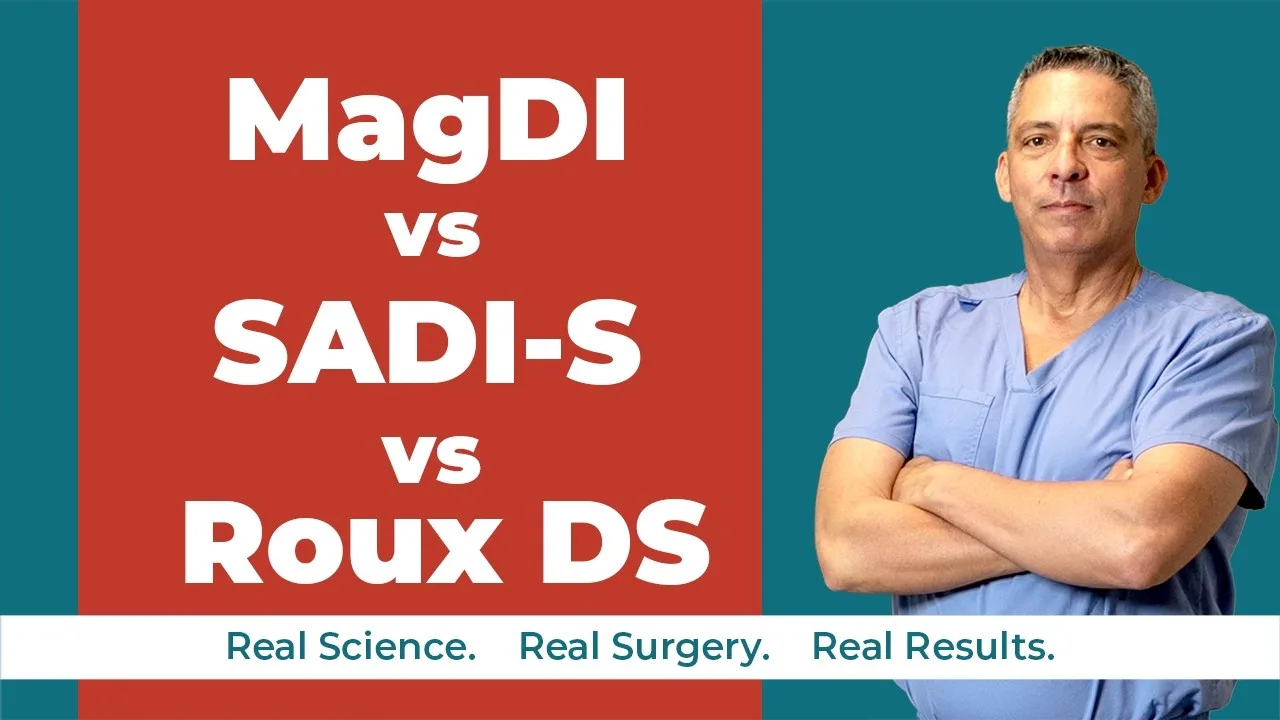
After biliopancreatic diversion with duodenal switch or SADI-S, the malabsorption is the most profound. The common channel where food and digestive enzymes mix is intentionally short, 100 to 150 centimeters in the Roux-en-Y duodenal switch and 250 to 300 centimeters in the SADI-S. This produces the most weight loss but also the most nutrient malabsorption. In a 10-year multicenter comparative study, nutritional complications occurred in 53.5 percent of Roux-en-Y duodenal switch patients versus 15.6 percent after SADI-S.
The bottom line: the more malabsorption a procedure creates, the higher the supplementation requirements. But even after sleeve gastrectomy, which is the least malabsorptive standard bariatric procedure, deficiencies are common and supplementation is lifelong.
How Each Procedure Changes Nutrient Absorption
Understanding which nutrients are at risk after each procedure helps explain why the supplement protocols differ.
After sleeve gastrectomy, the primary risks are reduced stomach acid (impairing iron and B12 absorption), reduced food intake (limiting overall nutrient consumption), and removal of the fundus (which produces intrinsic factor and ghrelin). The intestine is untouched, so absorption of calcium, fat-soluble vitamins, and most minerals remains relatively intact. A multicenter study of 830 sleeve patients with 10-year follow-up found that while deficiencies do occur, they are generally less severe and less frequent than after bypass or duodenal switch.
After Roux-en-Y gastric bypass, the duodenum and proximal jejunum are bypassed. This eliminates the primary absorption sites for iron (duodenum), calcium (duodenum and proximal jejunum), zinc (proximal jejunum), copper (proximal jejunum), and folate (proximal jejunum). B12 absorption is impaired by reduced intrinsic factor production. Fat-soluble vitamin absorption is reduced because bile and pancreatic enzymes meet food further downstream. A large Scandinavian registry study of over 73,000 patients found that bypass patients were nearly twice as likely to develop anemia as sleeve patients at 5 years.
After duodenal switch or SADI-S, all of the bypass-related risks apply, plus the short common channel creates significant fat malabsorption. This means fat-soluble vitamins A, D, E, and K are at the highest risk. Protein malabsorption is also a concern, occurring in 5 to 15 percent of Roux-en-Y duodenal switch patients. Vitamin A deficiency occurs in 50 to 69 percent of duodenal switch patients within 1 to 4 years without aggressive supplementation.
The Core Supplement Protocol: What Every Patient Needs
The AACE, TOS, and ASMBS clinical practice guidelines provide the foundation for bariatric supplementation. The following sections detail each nutrient, its recommended dose, why it matters, and how requirements differ by procedure.
Bariatric Multivitamin
Every bariatric patient needs a bariatric-specific multivitamin. Not a regular multivitamin from the grocery store. Bariatric formulations contain higher doses of the nutrients your body now struggles to absorb.
The guidelines recommend two adult bariatric multivitamins per day for sleeve, bypass, and duodenal switch patients. Each should contain iron, folic acid, and thiamine. In the early weeks after surgery, chewable or liquid forms are recommended because the new stomach may not break down large tablets effectively.
A regular one-a-day multivitamin does not provide adequate amounts of iron, B12, folate, or thiamine for a bariatric patient. Using one is better than nothing, but it is not sufficient.
Calcium Citrate
The form of calcium matters. Calcium citrate is recommended because it does not require stomach acid for absorption. Calcium carbonate does require acid, and stomach acid production is significantly reduced after bariatric surgery. Taking calcium carbonate after surgery means much of it passes through unabsorbed.
Recommended doses:
- Sleeve and bypass: 1,200 to 1,500 milligrams per day
- Duodenal switch and SADI-S: 1,800 to 2,400 milligrams per day
Always take calcium in divided doses, no more than 500 to 600 milligrams at a time, because the body cannot absorb more than that in a single sitting. Take calcium separately from iron, because they compete for absorption. Separate them by at least two hours.
Vitamin D
Vitamin D is essential for calcium absorption and bone health. Without adequate vitamin D, calcium supplementation alone will not protect your bones.
The guidelines recommend at least 3,000 international units per day, titrated to maintain a blood level above 30 nanograms per milliliter. After duodenal switch, doses are often much higher, sometimes 50,000 international units per week or more, because fat malabsorption significantly impairs vitamin D absorption.
Vitamin D should be monitored at every lab check. If levels remain low despite oral supplementation, intramuscular injection or high-dose oral protocols may be necessary.
Secondary Hyperparathyroidism: The Silent Bone Thief
This is one of the most underrecognized complications after bariatric surgery.
When calcium and vitamin D levels drop, the parathyroid glands respond by producing more parathyroid hormone, or PTH. Elevated PTH pulls calcium out of the bones to maintain blood calcium levels. Over time, this leads to osteopenia, osteoporosis, and fractures.
A prospective study found secondary hyperparathyroidism in 40 percent of bariatric patients at one year. A large analysis found the prevalence reached 63 percent at 5 years. The risk is approximately three times higher after gastric bypass compared to sleeve gastrectomy.
Bone mineral density screening with DEXA scan should be performed before or soon after surgery, with follow-up every one to two years depending on the procedure and risk factors. PTH should be included in routine lab monitoring.
The treatment is straightforward: adequate calcium citrate and vitamin D supplementation. But the condition develops silently. By the time a patient fractures a hip or a vertebra, the bone loss may be advanced. Prevention through consistent supplementation and monitoring is the only reliable strategy.
Vitamin B12
After gastric bypass and duodenal switch, B12 absorption is significantly impaired because the smaller stomach pouch or sleeve produces less intrinsic factor, the protein that B12 requires for absorption in the terminal ileum.
The guidelines recommend sublingual, nasal, or intramuscular B12. Oral crystalline B12 at doses of 350 to 500 micrograms per day may also be effective because approximately 1 percent of oral B12 is absorbed through passive diffusion, independent of intrinsic factor.
Clinically relevant B12 deficiency usually takes years to develop because the body stores B12 well, with liver reserves lasting 3 to 5 years. But when deficiency does develop, the consequences can be severe: megaloblastic anemia, peripheral neuropathy with numbness and tingling in the hands and feet, cognitive changes, depression, and irreversible nerve damage if caught too late.
After sleeve gastrectomy, B12 deficiency is less common but still occurs because of reduced stomach acid and intrinsic factor. Monitoring is recommended for all procedures.
Iron
Iron deficiency is the most common mineral deficiency after bariatric surgery.
The guidelines recommend 18 to 60 milligrams of elemental iron per day through multivitamins and additional supplements. Menstruating women and patients with a history of anemia may need higher doses.
A meta-analysis of over 26,000 patients found that iron deficiency affected 15 percent at one year, 17 percent at two years, and 29 percent at five years after gastric bypass. After sleeve, the rates were lower but still significant: 12 percent at one and two years, rising to 17 percent at five years.
A large Scandinavian registry study of over 73,000 patients found that 18.5 percent had anemia at 5 years, with bypass patients nearly twice as likely to be anemic as sleeve patients.
Iron absorption tips:
- Take iron with vitamin C to enhance absorption
- Take iron at a different time than calcium, zinc, and antacids, which all inhibit iron absorption
- Separate iron from calcium by at least two hours
- If oral iron is not effective or not tolerated, intravenous iron infusion may be necessary
Iron studies including ferritin should be checked at every lab visit. Ferritin is the most sensitive early marker of iron depletion and should be monitored even when hemoglobin is still normal.
Folate
Recommended dose: 400 to 800 micrograms per day.
Folate is essential for red blood cell production and DNA synthesis. It is critically important for women of childbearing age because folate deficiency during pregnancy causes neural tube defects.
After bypass and duodenal switch, folate absorption is impaired because the duodenum and upper jejunum, where folate is actively absorbed, are bypassed. Most bariatric multivitamins contain adequate folate, but levels should be monitored, especially in women planning pregnancy.
Women should delay pregnancy for at least 12 to 18 months after bariatric surgery to allow weight stabilization and nutritional optimization. Folate supplementation should be confirmed and optimized before conception.
Thiamine (Vitamin B1)
Recommended dose: 12 to 50 milligrams per day orally, with higher doses for high-risk patients and duodenal switch patients.
Thiamine is the most dangerous deficiency to miss after bariatric surgery. The body stores only about 15 to 21 days' worth of thiamine. If a patient is vomiting repeatedly after surgery and not absorbing nutrients, thiamine can be depleted within weeks.
Severe thiamine deficiency causes Wernicke encephalopathy, a neurological emergency characterized by confusion, abnormal eye movements, and difficulty walking. If not treated immediately, it can progress to Korsakoff syndrome, which causes permanent memory loss and brain damage.
A systematic review found that 94 percent of Wernicke encephalopathy cases after bariatric surgery developed within 6 months of the operation, and 90 percent had recurrent nausea and vomiting as a risk factor. The incidence per 100,000 cases is highest after duodenal switch at approximately 9, followed by gastric bypass at approximately 4, and lowest after sleeve at approximately 1.
The critical rule: if there is any suspicion of thiamine deficiency, treatment with intravenous thiamine should begin immediately, before lab confirmation. Waiting for lab results can result in permanent brain damage. This is one of the few situations in bariatric care where you treat first and test second.
Fat-Soluble Vitamins: A, D, E, and K
After duodenal switch and SADI-S, fat-soluble vitamins require aggressive supplementation because fat malabsorption is significant. These vitamins dissolve in fat, and when fat is not absorbed, neither are they.
Vitamin A: Deficiency occurs in 50 to 69 percent of duodenal switch patients within 1 to 4 years without aggressive supplementation. Vitamin A deficiency causes night blindness and, in severe cases, permanent vision loss. Recommended doses are 10,000 international units per day or more after duodenal switch, in dry or water-soluble form because oil-based vitamins are poorly absorbed.
Vitamin K: Deficiency can cause bleeding complications and easy bruising. Recommended dose is 300 micrograms per day or more after duodenal switch. Vitamin K levels and INR should be monitored.
Vitamin E: Recommended dose is 400 to 1,200 international units per day, with higher doses after duodenal switch.
After sleeve and bypass, fat-soluble vitamin deficiencies are less common but can still occur, especially vitamin D (covered above). Routine monitoring is recommended for all procedures.
Zinc and Copper
Zinc deficiency is frequent after bypass and very frequent after duodenal switch. Symptoms include hair loss, impaired wound healing, altered taste, and immune dysfunction.
But here is the critical point that many patients and even some providers miss: zinc supplementation depletes copper. For every 10 to 15 milligrams of zinc supplemented, 1 milligram of copper must be added.
Copper deficiency is one of the most commonly missed deficiencies after bariatric surgery. It causes anemia that looks identical to iron deficiency anemia and a myelopathy (spinal cord dysfunction) that mimics B12 deficiency. If a patient has anemia that does not respond to iron supplementation, copper deficiency should be considered.
Both zinc and copper should be included in routine lab monitoring, especially after bypass and duodenal switch.
The Complete Monitoring Schedule
Supplements only work if you take them. And the only way to know if they are working is to check your blood.
The ASMBS guidelines recommend:
- First year: labs every 3 to 6 months
- After the first year: labs at least annually for life
- More frequent monitoring for duodenal switch patients and any patient with identified deficiencies
Standard lab panel for all procedures
- Complete blood count (CBC)
- Iron panel with ferritin
- Vitamin B12
- Folate
- 25-hydroxyvitamin D
- Parathyroid hormone (PTH)
- Calcium (serum and ionized)
- Albumin and prealbumin
- Comprehensive metabolic panel
- HbA1c and lipid panel
Additional labs for duodenal switch and SADI-S:
- Vitamin A level
- Zinc and copper levels
- Vitamin E
- INR (vitamin K status)
- Vitamin B1 (thiamine) if symptomatic
Bone mineral density:
- DEXA scan before or soon after surgery
- Follow-up every 1 to 2 years depending on procedure and risk factors
If you are feeling tired, losing hair, getting numbness in your hands or feet, bruising easily, or having muscle cramps, do not assume it is normal. Tell your surgical team. Get your labs checked. These are warning signs that a deficiency may already be developing.
Procedure-Specific Protocols at a Glance
Sleeve Gastrectomy
- 2 bariatric multivitamins per day (chewable or liquid initially)
- Calcium citrate 1,200 to 1,500 mg per day in divided doses
- Vitamin D 3,000+ IU per day (titrate to blood level above 30)
- Vitamin B12 (sublingual or oral)
- Iron 18 to 60 mg elemental per day (with vitamin C, separate from calcium)
- Folate 400 to 800 mcg per day
- Thiamine 12 to 50 mg per day
Roux-en-Y Gastric Bypass
- Same as sleeve, with greater emphasis on:
- B12 (sublingual, nasal, or intramuscular preferred)
- Iron (higher risk of deficiency; IV iron if oral is insufficient)
- Calcium and vitamin D (higher risk of secondary hyperparathyroidism)
- Zinc and copper monitoring
Biliopancreatic Diversion with Duodenal Switch (Roux DS)
- Same as bypass, PLUS:
- Calcium citrate 1,800 to 2,400 mg per day
- Vitamin D often 50,000 IU per week or more
- Vitamin A 10,000+ IU per day (dry or water-soluble form)
- Vitamin K 300+ mcg per day
- Vitamin E 400 to 1,200 IU per day
- Zinc with copper (1 mg copper per 10 to 15 mg zinc)
- Higher thiamine doses
- More frequent lab monitoring
If you are considering this operation in South Florida, our duodenal switch surgery in Miami page describes how surgery and lifelong follow-up are organized at our practice.
SADI-S
- Same categories as Roux DS but with generally lower rates of severe deficiency due to the longer common channel (250 to 300 cm vs. 100 to 150 cm)
- Nutritional complications 15.6% at 10 years vs. 53.5% after Roux DS
- Still requires lifelong aggressive supplementation and monitoring
What Happens When You Stop Taking Your Vitamins
Deficiencies develop silently. By the time symptoms appear, the deficiency may already be advanced. And some consequences are irreversible.
Iron deficiency: progressive fatigue, weakness, shortness of breath, pale skin, brittle nails, restless legs. Severe anemia may require blood transfusion or IV iron.
B12 deficiency: numbness and tingling in hands and feet, difficulty walking, memory problems, depression, megaloblastic anemia. Nerve damage can be permanent if not caught early.
Calcium and vitamin D deficiency: no symptoms until a bone breaks. Secondary hyperparathyroidism silently pulls calcium from bones for years. Osteoporosis. Hip fractures. Vertebral compression fractures.
Vitamin A deficiency: night blindness progressing to permanent vision loss. Dry eyes. Impaired immune function.
Thiamine deficiency: confusion, abnormal eye movements, difficulty walking (Wernicke encephalopathy). Can progress to permanent brain damage (Korsakoff syndrome) within days to weeks.
Copper deficiency: anemia that does not respond to iron. Numbness and weakness mimicking B12 deficiency. Myelopathy.
Zinc deficiency: hair loss, poor wound healing, altered taste, frequent infections.
Every one of these complications is preventable. Every single one. The cost of prevention is a few dollars a day in supplements and a blood draw a few times a year. The cost of not preventing them can be a lifetime of disability.
Further Information
For additional context and a deeper professional perspective, you can read the companion LinkedIn article linked below.
Read on LinkedIn: Every Vitamin Your Body Needs After Bariatric Surgery
People Also Ask
What is the best bariatric multivitamin?
The best bariatric multivitamin is one specifically formulated for bariatric patients that contains adequate iron, folic acid, thiamine, and B12 in a form that is well absorbed (chewable, liquid, or capsule). Several brands are available. The key is that it must be a bariatric-specific formulation, not a standard grocery store multivitamin. The AACE/TOS/ASMBS guidelines recommend two adult bariatric multivitamins per day.
Can bariatric surgery cause osteoporosis?
Yes. Calcium malabsorption and vitamin D deficiency after bariatric surgery can lead to secondary hyperparathyroidism, which pulls calcium from bones. This causes progressive bone loss that can lead to osteopenia, osteoporosis, and fractures. The risk is highest after gastric bypass and duodenal switch. DEXA scans should be performed before or soon after surgery and repeated every 1 to 2 years.
Why am I losing hair after bariatric surgery?
Hair loss after bariatric surgery is most commonly caused by the rapid weight loss itself (telogen effluvium), but nutritional deficiencies in iron, zinc, biotin, and protein can contribute. Ensuring adequate protein intake (minimum 60 grams per day) and correcting any identified deficiencies typically resolves hair loss within 6 to 12 months.
What is Wernicke encephalopathy after bariatric surgery?
Wernicke encephalopathy is a neurological emergency caused by severe thiamine (vitamin B1) deficiency. It presents with confusion, abnormal eye movements, and difficulty walking. After bariatric surgery, it most commonly occurs within 6 months, especially in patients with prolonged vomiting. If not treated immediately with intravenous thiamine, it can progress to permanent brain damage (Korsakoff syndrome). The incidence is highest after duodenal switch and lowest after sleeve.
Do I need different vitamins for sleeve versus bypass?
The core supplement regimen is the same, but bypass patients need greater emphasis on B12 (sublingual or injection preferred), iron (higher deficiency risk), and calcium/vitamin D (higher risk of secondary hyperparathyroidism). Bypass patients should also have zinc and copper monitored. Sleeve patients have lower overall deficiency rates but still require lifelong supplementation.
Can I get my vitamins from food alone after bariatric surgery?
No. After bariatric surgery, food intake is dramatically reduced (as low as 400 calories per day in the first week), and nutrient absorption is altered. It is not possible to obtain adequate amounts of iron, B12, calcium, vitamin D, and other essential nutrients from food alone, regardless of how well you eat. Supplementation is required for life.
Bariatric Vitamins by the Numbers
- Patients with preoperative deficiencies: up to 30%
- Iron deficiency at 5 years (bypass): 29%
- Iron deficiency at 5 years (sleeve): 17%
- Anemia at 5 years (73,000-patient registry): 18.5%
- Vitamin D deficiency after bypass: 37 to 78%
- Secondary hyperparathyroidism at 1 year: 40%
- Secondary hyperparathyroidism at 5 years: 63%
- Hyperparathyroidism risk, bypass vs. sleeve: 3x higher after bypass
- Vitamin A deficiency after DS (1 to 4 years): 50 to 69%
- Nutritional complications, Roux DS at 10 years: 53.5%
- Nutritional complications, SADI-S at 10 years: 15.6%
- Wernicke encephalopathy cases within 6 months: 94%
- Wernicke cases with vomiting as risk factor: 90%
- Wernicke incidence per 100,000 (DS): ~9
- Wernicke incidence per 100,000 (bypass): ~4
- Wernicke incidence per 100,000 (sleeve): ~1
- Body thiamine stores: 15 to 21 days
- Calcium citrate max per dose: 500 to 600 mg
- Minimum protein per day: 60 g
- Minimum fluid per day: 60 oz (1,800 cc)
- Lab monitoring year 1: every 3 to 6 months
- Lab monitoring after year 1: at least annually for life
FAQ
What vitamins do I need after bariatric surgery?
Every bariatric patient needs a bariatric multivitamin (2 per day), calcium citrate (1,200 to 2,400 mg per day depending on procedure), vitamin D (3,000+ IU per day), vitamin B12, iron (18 to 60 mg elemental per day), folate (400 to 800 mcg per day), and thiamine (12 to 50 mg per day). Duodenal switch patients also need fat-soluble vitamins A, E, and K, plus zinc and copper.
How long do I need to take vitamins after bariatric surgery?
For life. Your altered anatomy permanently changes how you absorb nutrients. Stopping supplements, even years after surgery, puts you at risk for serious deficiencies. There is no point at which supplementation becomes optional.
What is the difference between calcium citrate and calcium carbonate?
Calcium citrate does not require stomach acid for absorption. Calcium carbonate does. After bariatric surgery, stomach acid production is significantly reduced, making calcium carbonate poorly absorbed. Always use calcium citrate.
Can I just take a regular multivitamin?
No. Regular multivitamins do not contain adequate amounts of iron, B12, folate, or thiamine for bariatric patients. A bariatric-specific formulation is required.
What happens if I stop taking my vitamins?
Deficiencies develop silently over months to years. Consequences include anemia, nerve damage, bone loss, vision loss, and in severe cases, permanent brain damage from thiamine deficiency. All are preventable with consistent supplementation.
Why do duodenal switch patients need more vitamins?
The duodenal switch creates the most malabsorption of any standard bariatric procedure. The short common channel means less time for nutrients to be absorbed. Fat-soluble vitamins (A, D, E, K) are particularly affected because fat malabsorption is significant. Nutritional complications occurred in 53.5 percent of Roux DS patients at 10 years.
What is secondary hyperparathyroidism?
When calcium and vitamin D levels drop, the parathyroid glands produce excess parathyroid hormone, which pulls calcium from bones. This leads to bone loss, osteoporosis, and fractures. It affects up to 63 percent of bariatric patients by 5 years and is approximately 3 times more common after bypass than sleeve.
How often should I get blood work after bariatric surgery?
Every 3 to 6 months in the first year, then at least annually for life. Duodenal switch patients and those with identified deficiencies may need more frequent monitoring.
Can vitamin deficiency after bariatric surgery cause nerve damage?
Yes. B12 deficiency can cause peripheral neuropathy (numbness and tingling in hands and feet) and, if severe, irreversible nerve damage. Copper deficiency can cause myelopathy mimicking B12 deficiency. Thiamine deficiency can cause Wernicke encephalopathy with permanent brain damage.
Should I take iron and calcium at the same time?
No. Iron and calcium compete for absorption. Separate them by at least two hours. Take iron with vitamin C to enhance absorption.
Bariatric surgery reduces stomach acid, intrinsic factor, duodenal absorption, jejunal absorption, and fat-soluble vitamin uptake. Supplementation prevents anemia, neuropathy, bone loss, and metabolic complications.
Medical Topics Covered


Dr. de la Cruz‑Muñoz specializes in advanced minimally invasive and robotic surgery, metabolic disease management, and comprehensive long‑term patient care. His work integrates clinical expertise, academic leadership, and a commitment to evidence‑based medicine. He has trained surgeons across the country, contributed to national guidelines, and is widely regarded for his outcomes, innovation, and patient‑centered approach.
Patients choose Dr. de la Cruz‑Muñoz for his combination of surgical excellence, metabolic expertise, and lifelong dedication to improving patient health through compassionate, high‑quality care.
Procedures We Offer





Conditions


FAQ
Yes. Supplements reduce the risk of deficiency but do not guarantee normal levels. Absorption varies from person to person and by procedure, and diet, other medications, missed doses and pregnancy all affect needs. Some deficiencies — such as vitamin B12, copper or vitamin D — can develop silently and cause lasting harm before symptoms appear. Annual labs, or more often in the first year, let your team adjust doses before problems start.
Bariatric surgery reduces how much you eat and, depending on the procedure, how well your body absorbs nutrients. Without supplements, deficiencies in iron, vitamin B12, calcium, vitamin D, folate, thiamine and other nutrients are common and can cause anemia, bone loss, nerve damage, hair loss and fatigue. Daily supplements and regular labs prevent most of these problems.
Not without guidance. Your bariatric team will decide whether to change the dose, the form (for example, chewable versus pill, or a shot or infusion instead of oral), or the timing of a supplement, and they will recheck levels afterward. Doubling up on your own can cause problems: some vitamins, such as vitamin A, can be toxic at high doses, and some minerals compete — high zinc, for example, can cause copper deficiency. Thiamine deficiency with vomiting is an exception that needs urgent attention.
SADI-S bypasses the duodenum and upper small intestine, so lifelong deficiencies of fat-soluble vitamins (A, D, E, K), iron, calcium, B12, folate, and zinc are possible, along with a 3–10% risk of protein-calorie malnutrition depending on common-channel length — which is why strict supplementation and monitoring are mandatory (Ponce de Leon-Ballesteros et al., Obesity Surgery, 2024; Noel et al., J Laparoendosc Adv Surg Tech, 2026). SADI-S does not reliably fix reflux, so patients with significant GERD are generally better served by a gastric bypass instead (Barajas-Gamboa et al., Surgical Endoscopy, 2023).
People Also Ask
Obesity is recognized as a chronic disease by major medical organizations, including the American Medical Association. It is influenced by genetics, hormones, brain signaling, environment, sleep, stress and medications — not simply willpower. Like other chronic diseases, it often requires long-term treatment, which may include nutrition, activity, behavioral support, medications and surgery. Lifestyle matters, but biology largely determines how the body responds.
The body has powerful systems that defend its weight. When you lose weight, hunger hormones rise, fullness hormones drop, the brain becomes more focused on food and metabolism slows — a process called metabolic adaptation. Genetics, sleep, stress, medications and the modern food environment add to the challenge. These are biological forces, not character flaws, which is why medical treatment is often needed.
Genetics play a major role. Studies of twins and adopted children suggest that roughly 40–70% of the variation in body weight is inherited, influencing appetite, fullness, metabolism and where fat is stored. Many genes each contribute a small effect, and a few rare single-gene forms cause severe early obesity. Genes interact with environment, sleep, stress and medications, so a family history raises risk but does not determine destiny.
GLP-1 medications mimic a natural gut hormone released after eating. They act on the brain to reduce hunger and increase fullness, slow stomach emptying so meals last longer, quiet "food noise," and improve insulin release and blood sugar. Tirzepatide also acts on a second hormone, GIP. In clinical trials, these medications produced average weight loss of about 15–20% (Wilding et al., New England Journal of Medicine, 2021; Jastreboff et al., New England Journal of Medicine, 2022).
Yes. Obesity is associated with more than 200 health conditions, including type 2 diabetes, high blood pressure, high cholesterol, heart disease, stroke, sleep apnea, fatty liver disease, reflux, osteoarthritis, infertility and PCOS, depression and at least 13 types of cancer. Losing weight — through medical treatment or bariatric surgery — improves or resolves many of these conditions.
Dieting alone usually cannot overcome the body's biological defenses against weight loss. As weight falls, hunger hormones rise, fullness hormones fall and metabolism slows — changes that can last for years. Most people regain the majority of diet-related weight loss within several years. That is not a failure of willpower, and it is why treatments that address appetite biology, such as GLP-1 medications and bariatric surgery, are more effective for many people with obesity.
Consider medical evaluation when excess weight affects your health, mobility or quality of life, or when you have related conditions such as prediabetes, diabetes, high blood pressure, sleep apnea, fatty liver or joint pain. Guidelines support medications for adults with a BMI of 30 or higher, or 27 or higher with a weight-related condition, and surgery for a BMI of 35 or higher, or 30 or higher with metabolic disease. Early treatment can help prevent complications.
Yes. Bariatric surgery treats the biological drivers of obesity, changing hunger and fullness hormones, insulin sensitivity and the weight the body defends. It is the most effective and durable treatment for severe obesity, producing large, sustained weight loss and improving or resolving diabetes, high blood pressure, sleep apnea and fatty liver. Long-term studies show it also reduces the risk of heart disease, cancer and early death.