

Vitamin B12 Deficiency

Videos
Overview
Vitamin B12 is essential for:
- nerve function
- red blood cell production
- DNA synthesis
- cognitive health
- energy metabolism
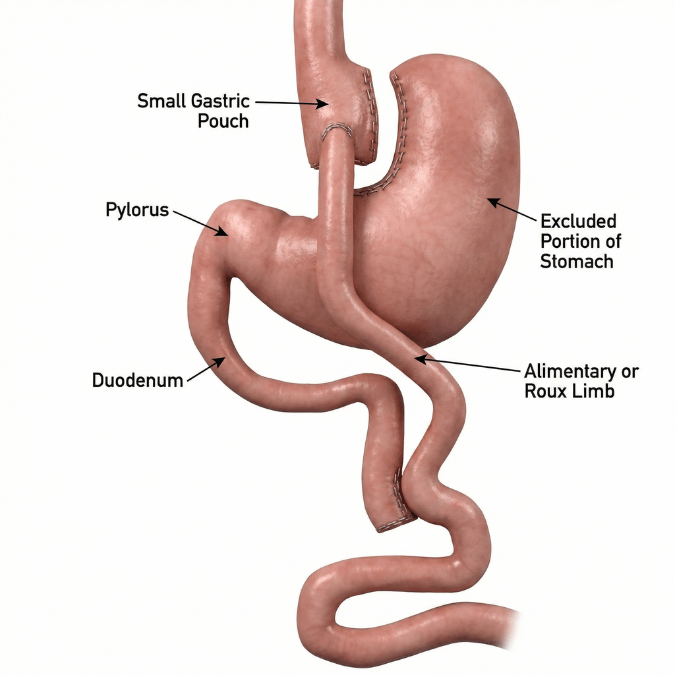
Deficiency develops when the body cannot absorb enough B12 from food — a major issue after bariatric surgery because B12 absorption requires:
- adequate stomach acid
- intrinsic factor
- a functioning duodenum and ileum
Procedures like gastric bypass, SADI‑S, and duodenal switch bypass key absorption sites, making B12 deficiency extremely common.
Symptoms can be subtle at first but may progress to irreversible nerve damage if untreated.
Causes
Vitamin B12 deficiency occurs when absorption is impaired or intake is inadequate.
Common causes include:
- Bariatric surgery (bypass, SADI‑S, DS)
- Low stomach acid
- Autoimmune pernicious anemia
- Chronic gastritis
- Metformin use
- Vegan or vegetarian diet
- Aging
- Chronic inflammation
- Pancreatic insufficiency
Risk Factors
- Gastric bypass, SADI‑S, or duodenal switch
- Older age
- Vegan/vegetarian diet
- Metformin therapy
- Chronic acid suppression (PPIs)
- Pernicious anemia
- History of anemia
- Malabsorption disorders
How It Affects the Body
Vitamin B12 is critical for neurological and hematologic health.
When levels fall:
- Nerves lose their protective myelin
- Red blood cell production decreases
- Cognitive function declines
- Fatigue increases
- Mood changes occur
- Balance and coordination worsen
Neurological damage can become permanent if deficiency is severe or prolonged.
Complications
Untreated B12 deficiency can lead to:
- Peripheral neuropathy
- Numbness and tingling
- Difficulty walking
- Memory loss
- Cognitive decline
- Mood disorders
- Megaloblastic anemia
- Glossitis (inflamed tongue)
- Vision changes
- Irreversible nerve damage
Symptoms and Signs
Symptoms vary widely and may be subtle:
- Fatigue
- Numbness or tingling in hands/feet
- Balance problems
- Memory issues
- Difficulty concentrating
- Depression or irritability
- Pale skin
- Smooth, red tongue
- Shortness of breath
- Heart palpitations
- Vision changes
Diagnosis
Diagnosis is based on blood testing:
- Serum vitamin B12
- Methylmalonic acid (MMA)
- Homocysteine
- Complete blood count (CBC)
- Intrinsic factor antibodies (if pernicious anemia suspected)
MMA and homocysteine are more sensitive markers of early deficiency.
Differential Diagnosis
- Folate deficiency
- Iron deficiency anemia
- Thyroid disorders
- Neuropathy from diabetes
- Multiple sclerosis
- Copper deficiency
Lifestyle Modifications
Lifestyle changes can support B12 levels:
- Eating B12‑rich foods (meat, fish, eggs, dairy)
- Reducing alcohol intake
- Avoiding unnecessary acid‑suppressing medications
- Improving overall nutrition
However, lifestyle alone is insufficient for bariatric patients.
Treatment Options
General approaches include:
- Dietary B12
- Monitoring B12 and MMA
- Addressing underlying causes (gastritis, autoimmune disease)
Bariatric‑specific considerations: Patients who have undergone gastric bypass, SADI‑S, or duodenal switch often require:
- Regular monitoring of B12 and MMA
- Long‑term supplementation
- Evaluation for neurological symptoms
- Aggressive correction of deficiency
Treatment decisions should be made with a qualified healthcare professional.
When to Seek Treatment
Seek evaluation if you experience:
- Numbness or tingling
- Balance problems
- Memory issues
- Fatigue
- Mood changes
- Glossitis
- Vision changes
- History of bariatric surgery
- Low B12 or elevated MMA on labs
Long‑Term Outlook
Patients who maintain adequate B12 levels have:
- improved cognitive function
- stronger neurological health
- reduced fatigue
- better mood stability
- improved red blood cell production
Regular monitoring is essential for bariatric patients.
Prognosis
With early detection and treatment, B12 deficiency is highly manageable. Most patients experience improved energy, better neurological function, and reversal of anemia.
Without treatment, deficiency can lead to permanent nerve damage.
Why Choose Dr. de la Cruz‑Muñoz
Dr. de la Cruz‑Muñoz is a national leader in bariatric and metabolic surgery with extensive experience managing nutritional deficiencies. His comprehensive postoperative monitoring — including B12, MMA, and neurological assessment — helps prevent nerve damage, protect long‑term health, and ensure metabolic success.
Patients receive personalized supplementation plans and ongoing support tailored to their procedure and nutritional needs.
Featured Procedures






FAQ
B12 monitoring may need to be more frequent if you take medications such as metformin, proton pump inhibitors, colchicine, neomycin, nitrous oxide, or certain seizure medications. These medications or exposures may affect B12 absorption or metabolism.
Some nutritional deficiencies and metabolic changes develop silently before symptoms appear. Routine testing can detect problems involving iron, vitamin B12, vitamin D, calcium, protein, thiamine, copper, vitamin A, and other nutrients. Taking prescribed bariatric vitamins and completing laboratory testing help prevent complications such as anemia, bone loss, nerve damage, vision problems, and protein malnutrition.


