

Iron Deficiency / Iron Deficiency Anemia

Videos
Overview
Iron deficiency is one of the most common nutritional deficiencies worldwide and the #1 cause of anemia. Iron is essential for producing hemoglobin — the protein that carries oxygen throughout the body. When iron levels drop, the body cannot make enough healthy red blood cells, leading to fatigue, weakness, shortness of breath, and cognitive changes.
In bariatric patients, iron deficiency is extremely common due to:
- reduced stomach acid
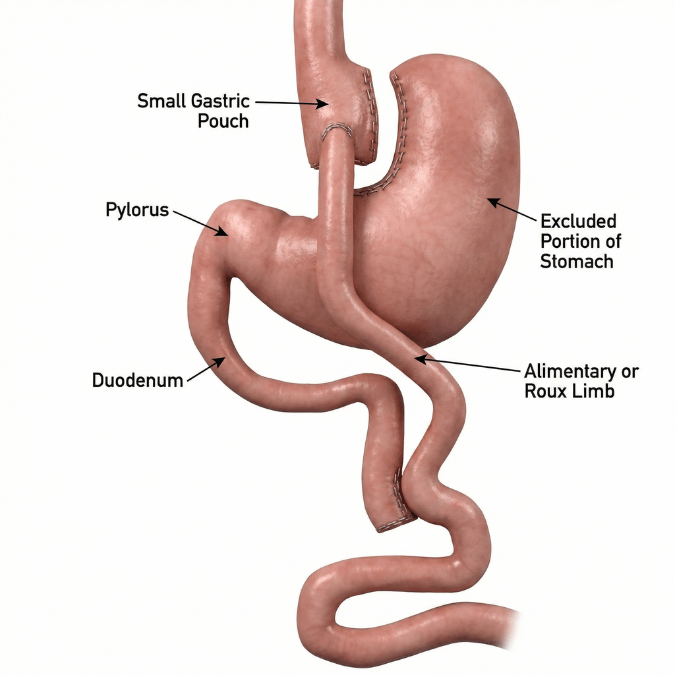
- bypassed duodenum (primary iron absorption site)
- decreased dietary intake
- intolerance to iron‑rich foods
- chronic inflammation
- menstruation in premenopausal women
Iron deficiency can develop silently for months or years before symptoms appear.
Causes
Iron deficiency occurs when iron intake or absorption is insufficient to meet the body’s needs.
Common causes include:
- Poor dietary intake
- Heavy menstrual bleeding
- Pregnancy
- Chronic blood loss (GI bleeding, ulcers)
- Malabsorption after bariatric surgery
- Low stomach acid
- Inflammatory conditions
- Frequent NSAID use
- Intestinal disorders (celiac disease, IBD)
Risk Factors
- Gastric bypass, SADI‑S, or duodenal switch
- Menstruating women
- Pregnancy
- Vegetarian or vegan diet
- Chronic inflammation
- History of anemia
- Low vitamin C intake
- Poor tolerance of iron supplements
- Frequent blood donation
How It Affects the Body
Iron is essential for oxygen transport. When levels fall:
- Red blood cell production decreases
- Oxygen delivery to tissues drops
- Muscles fatigue more quickly
- Cognitive function declines
- Hair and nails weaken
- Immune function decreases
In bariatric patients, deficiency can progress rapidly due to malabsorption.
Complications
Untreated iron deficiency can lead to:
- Severe anemia
- Heart palpitations
- Shortness of breath
- Chest pain
- Dizziness or fainting
- Pregnancy complications
- Worsening fatigue
- Reduced exercise tolerance
- Hair loss
- Brittle nails
- Restless legs syndrome
Symptoms and Signs
Symptoms vary depending on severity:
- Fatigue
- Weakness
- Pale skin
- Shortness of breath
- Dizziness
- Cold intolerance
- Hair loss
- Brittle nails
- Cravings for ice (pica)
- Rapid heartbeat
- Headaches
- Restless legs
- Difficulty concentrating
Diagnosis
Diagnosis is based on blood testing:
- Hemoglobin
- Hematocrit
- Ferritin (most important marker)
- Iron
- Total iron‑binding capacity (TIBC)
- Transferrin saturation
- Reticulocyte count
- Vitamin B12 and folate (to rule out other anemias)
Ferritin is the most sensitive indicator of iron stores.
Differential Diagnosis
- Vitamin B12 deficiency
- Folate deficiency
- Chronic disease anemia
- Thalassemia
- Hypothyroidism
- GI bleeding
- Copper deficiency
Lifestyle Modifications
Lifestyle changes can support iron levels:
- Eating iron‑rich foods (meat, fish, poultry, legumes)
- Increasing vitamin C intake
- Avoiding tea/coffee with meals (reduces absorption)
- Reducing NSAID use
- Treating heavy menstrual bleeding
However, lifestyle alone is often insufficient for bariatric patients.
Treatment Options
General approaches include:
- Dietary iron
- Oral iron supplementation
- Monitoring ferritin and hemoglobin
- Treating underlying causes (bleeding, inflammation)
Bariatric‑specific considerations: Patients who have undergone gastric bypass, SADI‑S, or duodenal switch often require:
- Higher iron intake
- Regular monitoring of ferritin
- Aggressive correction of deficiency
- Evaluation for intolerance to oral iron
- Consideration of IV iron when oral iron is ineffective
Treatment decisions should be made with a qualified healthcare professional.
When to Seek Treatment
Seek evaluation if you experience:
- Persistent fatigue
- Hair loss
- Shortness of breath
- Dizziness
- Pale skin
- Restless legs
- Rapid heartbeat
- Heavy menstrual bleeding
- History of bariatric surgery
- Low ferritin on labs
Long‑Term Outlook
Patients who maintain adequate iron levels have:
- improved energy
- better cognitive function
- stronger hair and nails
- reduced fatigue
- improved exercise tolerance
Regular monitoring is essential for bariatric patients.
Prognosis
With proper monitoring and treatment, iron deficiency is highly manageable. Most patients experience improved energy, better exercise tolerance, and reversal of anemia.
Without treatment, deficiency can progress to severe anemia and long‑term complications.
Why Choose Dr. de la Cruz‑Muñoz
Dr. de la Cruz‑Muñoz is a national leader in bariatric and metabolic surgery with extensive experience managing nutritional deficiencies. His comprehensive postoperative monitoring — including ferritin, hemoglobin, and iron studies — helps prevent anemia, protect long‑term health, and ensure metabolic success.
Patients receive personalized supplementation plans and ongoing support tailored to their procedure and nutritional needs.
Featured Procedures




FAQ
Usually, no. Calcium can interfere with iron absorption. Take them at least two hours apart, and take iron with vitamin C if recommended. Your care team may provide specific timing instructions based on your laboratory results.

