

Vitamin A Deficiency

Videos
Overview
Vitamin A is essential for:
- vision (especially night vision)
- immune system function
- skin and mucosal health
- reproductive health
- cellular growth and repair
Vitamin A deficiency is rare in the general population but significantly more common in bariatric patients, especially those who undergo:
- Duodenal Switch (DS)
- SADI‑S
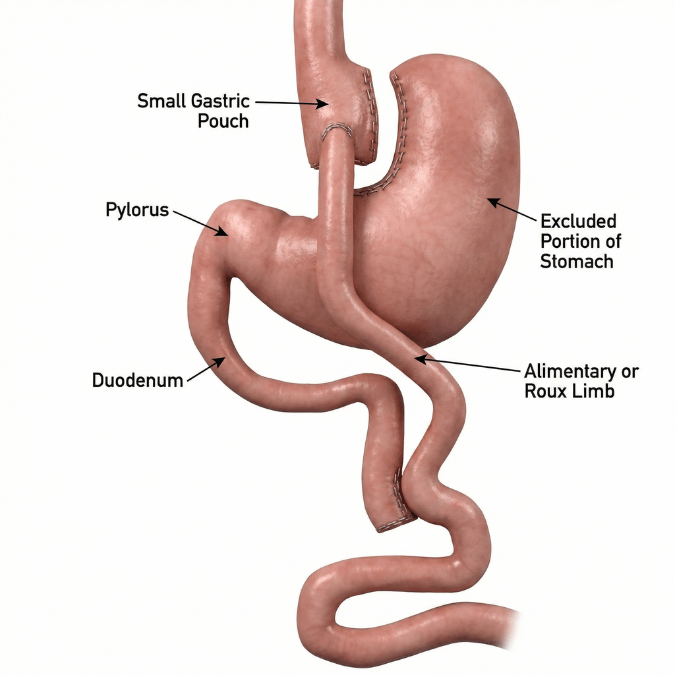
- Long‑limb gastric bypass
These procedures reduce fat absorption, and because vitamin A is fat‑soluble, deficiency can develop quickly and become severe.
Symptoms range from mild dryness to vision loss, and severe deficiency can cause permanent eye damage.
Causes
Vitamin A deficiency occurs when intake or absorption is inadequate.
Common causes include:
- Fat malabsorption (DS, SADI‑S, bypass)
- Low dietary intake
- Chronic inflammation
- Liver disease
- Pancreatic insufficiency
- Very low‑fat diets
- Alcohol use
- Intestinal disorders (celiac disease, IBD)
Risk Factors
- Duodenal switch (highest risk)
- SADI‑S
- Gastric bypass
- Low‑fat diet
- Chronic diarrhea
- Liver disease
- Pancreatic insufficiency
- Poor supplement adherence
- Malabsorption disorders
How It Affects the Body
Vitamin A is critical for epithelial tissue and vision.
When levels fall:
- Night vision declines
- Eyes become dry and irritated
- Skin becomes rough or scaly
- Immune function weakens
- Mucosal surfaces (eyes, lungs, GI tract) lose integrity
- Wound healing slows
Severe deficiency can cause keratomalacia, a condition that can lead to blindness.
Complications
Untreated vitamin A deficiency can lead to:
- Night blindness
- Dry eyes (xerophthalmia)
- Corneal damage
- Vision loss
- Increased infections
- Skin changes
- Poor wound healing
- Respiratory infections
- Infertility (rare)
Symptoms and Signs
Symptoms vary depending on severity:
Early symptoms
- Dry skin
- Dry eyes
- Poor night vision
- Rough or bumpy skin (hyperkeratosis)
Moderate symptoms
- Frequent infections
- Slow wound healing
- Eye irritation
- Bitot’s spots (foamy patches on the eye)
Severe symptoms
- Corneal ulceration
- Keratomalacia
- Permanent vision loss
Diagnosis
Diagnosis is based on:
- Serum vitamin A (retinol)
- Retinol‑binding protein
- Liver function tests
- Eye examination (if symptomatic)
- Assessment of fat malabsorption
Because vitamin A deficiency can progress silently, regular monitoring is essential for DS/SADI patients.
Differential Diagnosis
- Zinc deficiency
- Vitamin D deficiency
- Sjögren’s syndrome
- Thyroid disorders
- Autoimmune eye disease
- Chronic liver disease
Lifestyle Modifications
Lifestyle changes can support vitamin A levels:
- Eating vitamin A‑rich foods (eggs, liver, dairy, fish, leafy greens, orange vegetables)
- Avoiding very low‑fat diets
- Reducing alcohol intake
- Improving overall nutrition
However, lifestyle alone is insufficient for DS/SADI patients due to malabsorption.
Treatment Options
General approaches include:
- Dietary vitamin A
- Monitoring retinol levels
- Addressing underlying malabsorption
- Eye care for symptomatic patients
Bariatric‑specific considerations: Patients who have undergone DS or SADI‑S often require:
- Regular monitoring of vitamin A
- Aggressive correction of deficiency
- Evaluation for eye symptoms
- Long‑term supplementation
- Monitoring of other fat‑soluble vitamins (D, E, K)
Treatment decisions should be made with a qualified healthcare professional.
When to Seek Treatment
Seek evaluation if you experience:
- Poor night vision
- Dry eyes
- Eye irritation
- Frequent infections
- Dry or scaly skin
- Vision changes
- History of DS or SADI‑S
- Low vitamin A on labs
Long‑Term Outlook
Patients who maintain adequate vitamin A levels have:
- improved night vision
- stronger immune function
- healthier skin and mucosal surfaces
- reduced infection risk
Regular monitoring is essential for DS/SADI patients.
Prognosis
With early detection and treatment, vitamin A deficiency is highly manageable. Most patients experience improved vision, stronger immune function, and healthier skin.
Without treatment, deficiency can lead to permanent eye damage.
Why Choose Dr. de la Cruz‑Muñoz
Dr. de la Cruz‑Muñoz is a national leader in bariatric and metabolic surgery with extensive experience managing nutritional deficiencies. His comprehensive postoperative monitoring — especially for DS and SADI‑S patients — helps prevent vitamin A deficiency and protect long‑term eye and immune health.
Patients receive personalized supplementation plans and ongoing support tailored to their procedure and nutritional needs.
Featured Procedures





FAQ
Vitamin A is a fat-soluble vitamin and its absorption is significantly impacted by malabsorptive procedures. Both deficiency and excess (taking high-dose supplements) can cause severe birth defects. If you have had a duodenal switch, your team must closely monitor your vitamin A levels and adjust dosages before and during pregnancy
These nutrients may be absorbed less effectively after malabsorptive procedures. Deficiencies can contribute to anemia, nerve problems, hair loss, poor wound healing, immune problems, vision changes, and other complications. They are routinely monitored more closely after RYGB and BPD/DS.

