

Calcium Deficiency / Hypocalcemia

Videos
Overview
Calcium is essential for:
- bone strength
- nerve signaling
- muscle contraction
- heart rhythm
- hormone regulation
Calcium deficiency (hypocalcemia) occurs when blood calcium levels fall below normal. In bariatric patients, this is often caused by vitamin D deficiency, malabsorption, and secondary hyperparathyroidism, where the parathyroid glands pull calcium from bones to maintain blood levels.
This condition is extremely important because it directly contributes to:
- osteopenia
- osteoporosis
- bone pain
- fractures
- long‑term metabolic bone disease
Calcium deficiency is often silent until bone loss becomes severe.
Causes
Calcium deficiency occurs when intake, absorption, or regulation is impaired.
Common causes include:
- Vitamin D deficiency
- Secondary hyperparathyroidism
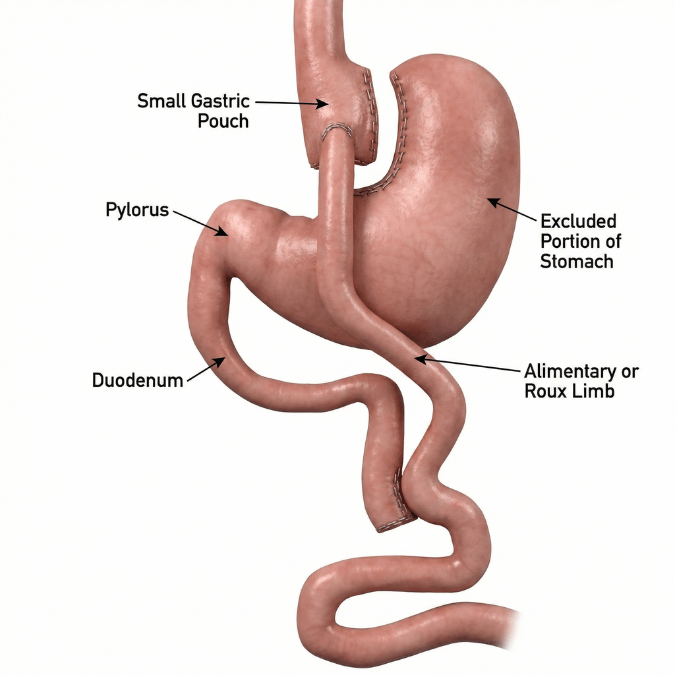
- Malabsorption after gastric bypass, SADI‑S, or duodenal switch
- Low dietary calcium
- Chronic kidney disease
- Low magnesium
- Pancreatitis
- Medications (diuretics, anticonvulsants)
- Hypoparathyroidism (rare)
Risk Factors
- Bariatric surgery (especially bypass, SADI‑S, DS)
- Vitamin D deficiency
- Low calcium intake
- Poor supplement adherence
- Older age
- Menopause
- Chronic kidney disease
- High soda intake (phosphorus imbalance)
- Smoking
- Long‑term steroid use
How It Affects the Body
Calcium is tightly regulated by vitamin D and parathyroid hormone (PTH). When calcium drops:
- PTH rises
- Bones lose calcium
- Nerves become irritable
- Muscles contract abnormally
- Heart rhythm can change
In bariatric patients, this process can accelerate bone loss rapidly.
Complications
Untreated calcium deficiency can lead to:
- Secondary hyperparathyroidism
- Osteopenia
- Osteoporosis
- Bone pain
- Muscle spasms
- Tingling or numbness
- Seizures (severe cases)
- Cardiac arrhythmias
- Increased fracture risk
Symptoms and Signs
Symptoms vary depending on severity:
Early symptoms
- Muscle cramps
- Tingling in fingers or around the mouth
- Fatigue
- Irritability
Moderate symptoms
- Muscle spasms
- Difficulty swallowing
- Bone pain
- Weak nails
Severe symptoms
- Seizures
- Heart rhythm abnormalities
- Tetany (involuntary muscle contractions)
Diagnosis
Diagnosis is based on blood testing:
- Serum calcium
- Ionized calcium (most accurate)
- Vitamin D (25‑OH)
- Parathyroid hormone (PTH)
- Magnesium
- Phosphorus
- Kidney function tests
In bariatric patients, calcium and PTH should be monitored regularly.
Differential Diagnosis
- Vitamin D deficiency
- Secondary hyperparathyroidism
- Hypoparathyroidism
- Magnesium deficiency
- Chronic kidney disease
- Malabsorption disorders
Lifestyle Modifications
Lifestyle changes can support calcium levels:
- Eating calcium‑rich foods (dairy, leafy greens, fortified foods)
- Weight‑bearing exercise
- Avoiding excessive soda intake
- Reducing alcohol
- Avoiding smoking
However, lifestyle alone is insufficient for bariatric patients due to malabsorption.
Treatment Options
General approaches include:
- Dietary calcium
- Monitoring calcium and PTH
- Addressing vitamin D deficiency
- Treating underlying causes (kidney disease, malabsorption)
Bariatric‑specific considerations: Patients who have undergone gastric bypass, SADI‑S, or duodenal switch often require:
- Regular monitoring of calcium, vitamin D, and PTH
- Long‑term supplementation
- Evaluation for bone loss
- Monitoring for secondary hyperparathyroidism
Treatment decisions should be made with a qualified healthcare professional.
When to Seek Treatment
Seek evaluation if you experience:
- Tingling or numbness
- Muscle cramps
- Bone pain
- Weak nails
- Fatigue
- History of bariatric surgery
- Low calcium or high PTH on labs
- Osteopenia or osteoporosis on DEXA scan
Long‑Term Outlook
Patients who maintain adequate calcium and vitamin D levels have:
- stronger bones
- lower fracture risk
- improved muscle function
- better nerve stability
- reduced risk of secondary hyperparathyroidism
Regular monitoring is essential for bariatric patients.
Prognosis
With early detection and treatment, calcium deficiency is highly manageable. Most patients experience improved bone health, reduced symptoms, and prevention of long‑term complications.
Without treatment, deficiency can lead to progressive bone loss and increased fracture risk.
Why Choose Dr. de la Cruz‑Muñoz
Dr. de la Cruz‑Muñoz is a national leader in bariatric and metabolic surgery with extensive experience managing nutritional deficiencies. His comprehensive postoperative monitoring — including calcium, vitamin D, and PTH — helps protect bone health, prevent complications, and ensure long‑term metabolic success.
Patients receive personalized supplementation plans and ongoing support tailored to their procedure and nutritional needs.
Featured Procedures






FAQ
Usually, no. Calcium can interfere with iron absorption. Take them at least two hours apart, and take iron with vitamin C if recommended. Your care team may provide specific timing instructions based on your laboratory results.


