Vitamin D Deficiency

Videos
Overview
Vitamin D deficiency is one of the most widespread nutritional problems worldwide. Vitamin D plays a critical role in:
- calcium absorption
- bone strength
- immune regulation
- muscle function
- hormone balance
- inflammation control
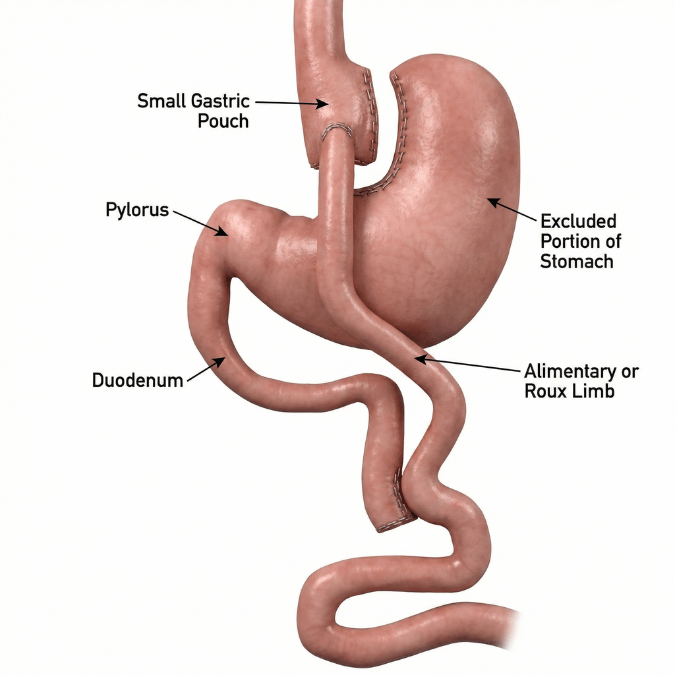
After bariatric surgery — especially gastric bypass, SADI‑S, and duodenal switch — vitamin D deficiency becomes even more common due to reduced absorption and altered fat metabolism.
Low vitamin D can lead to secondary hyperparathyroidism, bone loss, fatigue, muscle weakness, and increased fracture risk. It is a silent condition that often goes unnoticed until complications develop.
Causes
Vitamin D deficiency occurs when the body cannot absorb or produce enough vitamin D.
Common causes include:
- Inadequate dietary intake
- Limited sun exposure
- Malabsorption after bariatric surgery
- Obesity (vitamin D becomes trapped in fat tissue)
- Liver or kidney disease
- Medications (anticonvulsants, steroids)
- Darker skin pigmentation
- Aging (reduced skin production)
Risk Factors
- Gastric bypass, SADI‑S, or duodenal switch
- Obesity
- Older age
- Living in northern climates
- Minimal sun exposure
- Dark skin
- Chronic kidney or liver disease
- Smoking
- Poor nutrition
- Low calcium intake
How It Affects the Body
Vitamin D is essential for calcium absorption and bone health. When levels drop:
- Calcium absorption decreases
- Parathyroid hormone (PTH) rises
- Bones lose calcium (secondary hyperparathyroidism)
- Bone density decreases
- Muscles weaken
- Immune function declines
- Inflammation increases
In bariatric patients, deficiency can progress rapidly due to malabsorption.
Complications
Untreated vitamin D deficiency can lead to:
- Secondary hyperparathyroidism
- Osteopenia
- Osteoporosis
- Increased fracture risk
- Muscle weakness
- Chronic fatigue
- Bone pain
- Impaired immune function
- Worsening metabolic health
Symptoms and Signs
Many patients have no symptoms, but possible signs include:
- Fatigue
- Bone pain
- Muscle weakness
- Frequent infections
- Mood changes
- Hair loss
- Slow wound healing
- Back pain
- Difficulty climbing stairs or rising from a chair
Diagnosis
Diagnosis is based on blood testing:
- Serum 25‑hydroxyvitamin D (25‑OH vitamin D)
- Calcium
- Ionized calcium
- Parathyroid hormone (PTH)
- Phosphorus
- Magnesium
In bariatric patients, vitamin D should be monitored regularly due to high deficiency risk.
Differential Diagnosis
- Calcium deficiency
- Secondary hyperparathyroidism
- Osteopenia
- Osteoporosis
- Thyroid disorders
- Chronic kidney disease
Lifestyle Modifications
Lifestyle changes can help improve vitamin D levels:
- Increased safe sun exposure
- Weight loss to reduce vitamin D sequestration
- Strength training for bone health
- Diet rich in vitamin D (fatty fish, fortified foods)
- Avoiding smoking
- Limiting alcohol
However, lifestyle alone is often insufficient for bariatric patients.
Treatment Options
General approaches include:
- Dietary vitamin D
- Safe sun exposure
- Monitoring calcium and PTH
- Addressing underlying malabsorption
Bariatric‑specific considerations: Patients who have undergone gastric bypass, SADI‑S, or duodenal switch often require:
- Higher vitamin D intake
- Regular monitoring of vitamin D, calcium, and PTH
- Aggressive correction of deficiency
- Evaluation for secondary hyperparathyroidism
Treatment decisions should be made with a qualified healthcare professional.
When to Seek Treatment
Seek evaluation if you experience:
- Persistent fatigue
- Bone pain
- Muscle weakness
- Frequent infections
- Hair loss
- Abnormal calcium or PTH levels
- History of bariatric surgery
- Osteopenia or osteoporosis on DEXA scan
Long‑Term Outlook
Patients who maintain adequate vitamin D levels have:
- stronger bones
- lower fracture risk
- improved muscle strength
- better immune function
- reduced inflammation
- improved metabolic stability
Regular monitoring is essential for bariatric patients.
Prognosis
With proper monitoring and treatment, vitamin D deficiency is highly manageable. Most patients experience improved energy, stronger bones, and better metabolic health.
Without treatment, deficiency can progress to severe bone disease and long‑term complications.
Why Choose Dr. de la Cruz‑Muñoz
Dr. de la Cruz‑Muñoz is a national leader in bariatric and metabolic surgery with extensive experience managing nutritional deficiencies. His comprehensive postoperative monitoring — including vitamin D, calcium, and PTH — helps protect bone health, prevent complications, and ensure long‑term metabolic success.
Patients receive personalized supplementation plans and ongoing support tailored to their procedure and metabolic needs.