
Fiber After Bariatric Surgery: How Much You Need, Constipation, Kiwi vs Psyllium and Safety

Quick Answer
Watch Related Video
Why Fiber Deserves a Spot on a Small Plate
After weight-loss surgery, protein gets most of the attention, and it should. It protects muscle while you lose weight fast. But fiber is the nutrient that quietly falls off the plate, and most patients don't notice until they're constipated, bloated or stuck on the toilet wondering what went wrong.
Fiber also gets oversold. Psyllium powder is being marketed online as "nature's Ozempic." It isn't. Fiber does several useful things after a gastric sleeve, gastric bypass or duodenal switch, and in the wrong form, at the wrong stage, it can cause a blockage. This guide covers how much you need, why constipation after surgery usually has other causes first, which fibers are gentle, what the trials show for blood sugar and weight, and how to build up safely. It's a companion to my video on the same topic.
Two Kinds of Fiber, Two Different Jobs
Fiber is the part of plant food your body can't digest. It passes through the stomach and small intestine largely intact.
- Soluble fiber dissolves in water and forms a gel. It slows stomach emptying and sugar absorption and keeps stool soft. Oats, beans, lentils, chia, avocado, apples, citrus, carrots and psyllium are good sources. Most soluble fibers are fermented by colon bacteria into short-chain fatty acids that fuel the colon lining. Psyllium is the exception: it stays a gel and is barely fermented, which is why it holds water so well and causes less gas than many other fibers.
- Insoluble fiber doesn't dissolve. It's the structural part of plants: skins, peels, seeds, strings and wheat bran. It adds bulk, but it's tougher to break down, which matters when your stomach grinds less than it used to.
Most whole foods contain both. The practical rule after surgery is that gel-forming fiber is gentle, and tough, stringy fiber needs thorough chewing.
How Much Fiber Do You Need?
General guidelines suggest about 25 grams a day for women and 38 for men. The average American eats roughly 15.
The strongest case for fiber comes from a 2019 analysis in The Lancet, commissioned by the World Health Organization, which pooled 185 prospective studies and 58 clinical trials. People with the highest fiber intake had 15 to 30 percent lower all-cause and cardiovascular mortality than those with the lowest, along with less coronary heart disease, stroke, type 2 diabetes and colorectal cancer. Benefits were largest at about 25 to 29 grams a day. Most of that evidence is observational, but the trials in the same analysis showed higher fiber lowered body weight, blood pressure and cholesterol.
What Happens to Fiber Intake After Surgery
It drops, and it tends to stay low. In a prospective English study of 26 patients, average fiber intake fell from about 24 to about 17.5 grams a day six months after a bariatric procedure, and weekly bowel movements fell from about 8.5 to under 6. Only about 15 percent met fiber targets afterward.
A structured review of the bariatric literature reached the same conclusion: patients don't eat enough fiber after surgery, because of smaller portions, poor tolerance of fiber-rich foods and discomfort with eating. In studies following patients more than two years out, intake was around 10 to 12 grams a day.
The same review found that constipation isn't universal. After gastric bypass, more studies reported loose stools than constipation, and after sleeve gastrectomy the findings went both ways.
There's no bariatric-specific fiber target, so we borrow general targets and build toward them slowly. For most of my patients, about 20 to 25 grams a day by a year after surgery is realistic.
Constipation After Bariatric Surgery: Check These First
When patients come in constipated, fiber is rarely the first thing I fix. These usually matter more:
- Fluids. You can't gulp, and you're told not to drink with meals, so many patients fall well short. The 2019 ASMBS/AACE/TOS nutrition guidelines recommend more than 1.5 liters (48 to 64 ounces) a day, sipped between meals.
- Food volume. Less going in means less coming out. A soft, easy bowel movement every two or three days can be normal.
- Iron supplements. Iron is one of the most constipating pills there is, and many bariatric patients need it, especially women and bypass patients. Don't stop it on your own. A different form or schedule often helps. Persistent iron deficiency should be investigated.
- Medications. Opioid pain pills, some antidepressants and blood pressure medications, calcium carbonate and GLP-1 medications such as Ozempic, Wegovy and Zepbound all slow the bowels.
- Stopping coffee. For some people, the morning cup was what kept them regular. Ask your team when it's allowed at your stage.
- Less movement. Walking is part of recovery for many reasons, and bowel function is one of them.
Adding fiber without fixing fluids can make constipation worse. One composite patient of mine, details changed, was taking a heaping spoonful of psyllium in a few ounces of water every morning, sipping it for half an hour as it thickened. Her constipation got worse. We spread her fluids across the day to nearly two liters, replaced the psyllium with polyethylene glycol (MiraLAX), which dissolves fully and doesn't gel, and changed her iron. Within two weeks she was regular.
Some bowel problems aren't fiber problems at all. Blood in the stool, a change in bowel habits lasting more than a couple of weeks, or unexplained falling iron levels need evaluation, sometimes with a colonoscopy.
Kiwi, Prunes or Psyllium?
In a University of Michigan trial, 79 adults with chronic constipation were partially randomized to two green kiwifruit a day, about 100 grams of prunes (roughly 10) a day, or 12 grams of psyllium a day for four weeks. All three increased complete bowel movements, and the main outcome was similar across groups. The difference was tolerability. Side effects were most common with psyllium and least common with kiwi, and kiwi was the only option that improved bloating. At four weeks, 7 percent of the kiwi group were dissatisfied with their treatment, compared with 17 percent on prunes and 38 percent on psyllium.
A larger international crossover trial of 184 people in New Zealand, Italy and Japan compared kiwi with psyllium. In constipated participants, two kiwis a day added about 1.5 complete spontaneous bowel movements a week and improved abdominal comfort. That trial was largely funded by a kiwifruit marketer. Even so, the 2025 British Dietetic Association guideline on chronic constipation now recommends two to three peeled kiwifruit a day for at least four weeks.
These weren't bariatric patients, but kiwis are soft, easy to eat once you're on regular textures, and less gassy than many alternatives. When food and fluids aren't enough, an osmotic laxative like polyethylene glycol is a reasonable next step, especially for constipation caused by pain medication or GLP-1 drugs.
Bezoars: When Fiber Becomes a Blockage
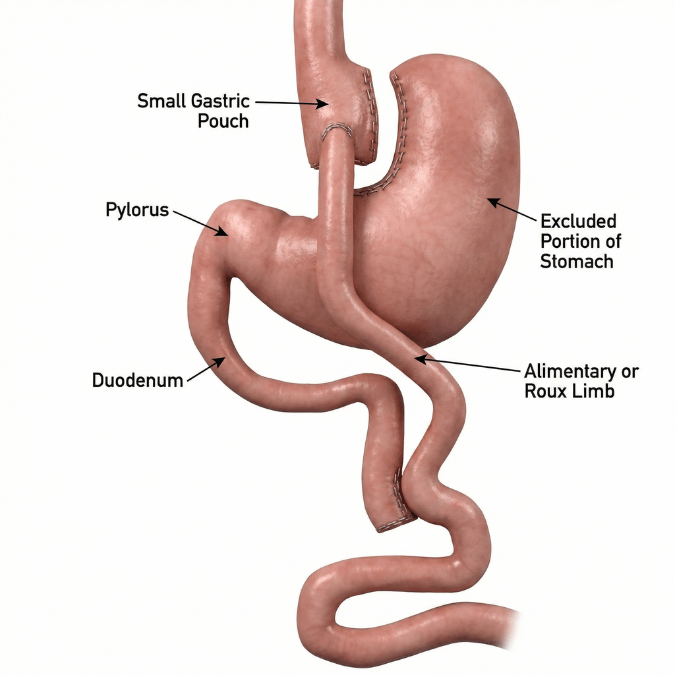
A bezoar is a mass of undigested material trapped in the stomach or intestine. The most common type, a phytobezoar, is made of plant fiber. After a sleeve or bypass, the stomach grinds less, makes less acid and empties through a smaller outlet, so poorly chewed fibrous food can clump.
It's rare. A systematic review found 19 published cases after bariatric surgery. But bezoars can appear months or years later and may require endoscopy or surgery to remove. The risk factors the authors identified were large amounts of high-fiber food, poor chewing and inadequate fluids.
Foods to cut small, cook soft and chew carefully, especially in the first year:
- Citrus membranes and pith, persimmons, pineapple core
- Celery and asparagus strings, corn, coconut
- Fruit and vegetable peels, tough-skinned dried fruit
- Nuts and seeds eaten by the handful
Fiber supplements count too. Psyllium gels by design, and taken in too little liquid it can form a solid mass, even in a normal stomach. Stir it into at least 8 ounces of water and drink it right away. If you can't finish 8 ounces quickly yet, use a smaller dose you can finish, or use polyethylene glycol instead. Skip psyllium if you have trouble swallowing, a known narrowing or a history of impaction, unless your surgeon says otherwise.
Call your surgeon the same day for persistent vomiting, inability to keep liquids down, food coming straight back up, worsening abdominal pain or bloating, or no stool and no gas. These can signal a bezoar, a stricture or, after a bypass, an internal hernia.
Is Fiber "Nature's Ozempic"?
No, though the claim starts from something real. Soluble fiber slows digestion, increases fullness and can nudge up your own GLP-1, the gut hormone that semaglutide mimics.
We now have a 2026 randomized trial in bariatric patients. Sixty-three people after sleeve gastrectomy or gastric bypass received standard care or standard care plus 30 grams of oat bran a day (9 grams of fiber) for 12 weeks. The oat bran group roughly doubled fiber intake, about 15 versus 7.5 grams a day, and had higher fasting GLP-1 and PYY, better fasting blood sugar and higher HDL cholesterol. The difference in excess weight loss between groups wasn't statistically significant. Medications like Ozempic and Zepbound produce GLP-1 activity far beyond anything the gut makes, around the clock. Fiber is a nudge.
For weight, the trial evidence is mixed. A meta-analysis of psyllium in people with diabetes found no change in body weight or BMI. In adults with overweight, soluble fiber supplements reduced weight by about 2.5 kilograms in a 2017 meta-analysis, and psyllium by about 3.7 kilograms in a 2023 network meta-analysis. Helpful, at best a few pounds.
Blood Sugar Is Where Fiber Shines
A meta-analysis of 35 randomized trials found that in people treated for type 2 diabetes, psyllium taken before meals lowered fasting glucose by about 37 mg/dL and A1c by about one percentage point, comparable to some diabetes pills. The effect grew with higher baseline glucose and was negligible in people with normal blood sugar. The analysis included manufacturer clinical data.
If your diabetes is creeping back after surgery, soluble fiber before meals is a reasonable adjunct, not a replacement for medication or monitoring. If you take insulin, glipizide or glyburide, talk to your team first, because pre-meal fiber can push glucose too low. Choose sugar-free fiber products.
Dumping Syndrome and Weight Maintenance
Older, very small studies found that viscous fibers like pectin and guar gum, taken with meals, slowed gastric emptying and reduced dumping symptoms. The international dumping consensus didn't endorse fiber supplements as standard therapy, largely because of poor taste and tolerance. Diet changes come first; my dumping syndrome guide covers them.
For keeping weight off, one small study of 50 patients found that those who maintained their weight loss ate more fiber and drank more water than those who regained, but a systematic review of diet after bariatric surgery found no single dietary component that reliably predicted weight outcomes.
Fiber for Loose Stools, Cholesterol and Gut Bacteria
- Loose stools. After gastric bypass, and especially after a duodenal switch or SADI-S, some patients have frequent loose stools. Soluble fiber, psyllium in particular, absorbs excess water and firms stool. It normalizes stool in both directions. Check fat, dairy and sugar alcohols first; lactose intolerance is common after bypass.
- Cholesterol. Soluble fiber binds bile acids, so the liver pulls cholesterol from the blood to make more. The FDA permits a heart-disease risk-reduction claim for qualifying amounts of soluble fiber from oats and psyllium.
- Gut bacteria. Fermentable fibers in oats, beans and onions feed bacteria that produce short-chain fatty acids. Research on how surgery changes this is early, but feeding the microbiome well is a safe bet.
Fermentation also produces gas. Onions, garlic, beans, wheat and some fruits are common triggers. Smaller portions, thorough cooking and slow introduction help most people adapt within a few weeks, and well-rinsed canned beans tend to cause less gas than beans cooked from dry. If gas never settles, lactose intolerance or bacterial overgrowth may be the cause, and both can be tested.
When to Start Fiber After Surgery
Follow your own program's diet stages. A typical progression:
- Weeks 1 to 2: liquids and purées. Protein and fluids are the goal, not fiber. Early constipation is usually from the liquid diet, pain medication and dehydration, and it's treated with fluids, walking and, if needed, a gentle laxative.
- Week 3: soft foods. Introduce small amounts of gentle fiber: oatmeal, mashed beans or lentils, soft-cooked carrots.
- Weeks 4 to 6: regular textures. Add peeled fruit, soft vegetables and whole beans.
- Month 2 on: keep building by about 3 to 5 grams every few days toward 20 to 25 grams a day.
Keep the bariatric plate order: protein first, then vegetables or beans, then anything else. Stop drinking about 30 minutes before meals and wait about 30 minutes after.
A Sample 20-Gram Fiber Day
| Meal | Food | Fiber (approx.) |
|---|---|---|
| Breakfast | Greek yogurt, 1 tablespoon chia seeds (soaked), ½ cup raspberries | 8 g |
| Lunch | Chicken or fish with ½ cup black beans or lentils | 6–7 g |
| Snack | 2 kiwis, or ¼ avocado | 4 g |
| Dinner | Protein with ½ cup soft-cooked broccoli or carrots | 2–3 g |
Values are approximate, based on USDA FoodData Central. Check labels. Protein still leads every meal, and there's no bran, no sugar-alcohol fiber bars and nothing stringy.
After a bypass or duodenal switch, your gut absorbs more oxalate, which raises kidney stone risk. Don't build fiber around spinach and handfuls of almonds, and keep fluids up. For Spanish-speaking families, frijoles negros, lentejas and garbanzos are excellent choices in small, well-cooked portions beside your protein. Go easy on the white rice and fried plantains alongside them.
Fiber Supplements
If food alone doesn't get you there, a supplement is fine. Psyllium has the best evidence for constipation, provided you follow the water rule. Methylcellulose is a reasonable alternative. Wheat dextrin dissolves clear and is easy to take, but it's fermented, can cause gas and has little evidence for constipation. Choose sugar-free products and start small.
Fiber can reduce absorption of medications. Take supplements at least two hours apart from other medications and your bariatric vitamins, especially thyroid medication. Be wary of "high-fiber" bars and snacks that use added fibers and sugar alcohols, which can cause gas and diarrhea. If you're on a GLP-1 medication, fluids, movement, gradual fiber and kiwi help, but polyethylene glycol is often needed. Tell your team early.
Frequently Asked Questions
How much fiber should I eat after gastric sleeve or bypass?
There's no bariatric-specific target. Most patients can work toward about 20 to 25 grams a day by a year after surgery, adding 3 to 5 grams every few days once on soft foods.
Why am I constipated after bariatric surgery?
Usually low fluid intake, small food volume, iron supplements, medications (including GLP-1 drugs) and reduced activity, with low fiber as a contributor. Fix fluids first.
Is psyllium safe after bariatric surgery?
Generally yes, once you're on soft or regular foods and can drink 8 ounces quickly. Mix it in at least 8 ounces of water and drink it immediately. Avoid it with swallowing problems, a known narrowing or prior impaction unless your surgeon approves.
Can fiber cause a blockage after weight-loss surgery?
Rarely. Phytobezoars after bariatric surgery are uncommon but serious. Chew thoroughly, drink enough and be cautious with stringy, fibrous foods, especially in the first year.
Does fiber help with weight loss after surgery?
Modestly at best. It may help with fullness and blood sugar, but it's not a substitute for GLP-1 medication and no single dietary factor reliably predicts long-term weight outcomes.
Who Should Be Careful, and Where to Get Help
Plan fiber with your team if you're in the first weeks after surgery, have a known narrowing or swallowing problems, have diabetes-related slow stomach emptying, or have had a bezoar before. Fiber is still good for you, but it needs a plan.
Our program includes a nutritionist who works through this with every patient, body composition analysis at every visit and support groups, online and in person, open to patients from all 25 years of my practice. Patients come to Miami from across Florida, other states, the Caribbean and Latin America, and out-of-town patients start with a video visit. To talk about bariatric surgery, or if you're struggling after surgery elsewhere, call or text 305-692-0392 or contact the office. Se habla español.
This article is for education and isn't medical advice. Follow your own surgical team's diet stages, and don't start or stop medications or supplements without talking to them.
Further Information
Medical Topics Covered
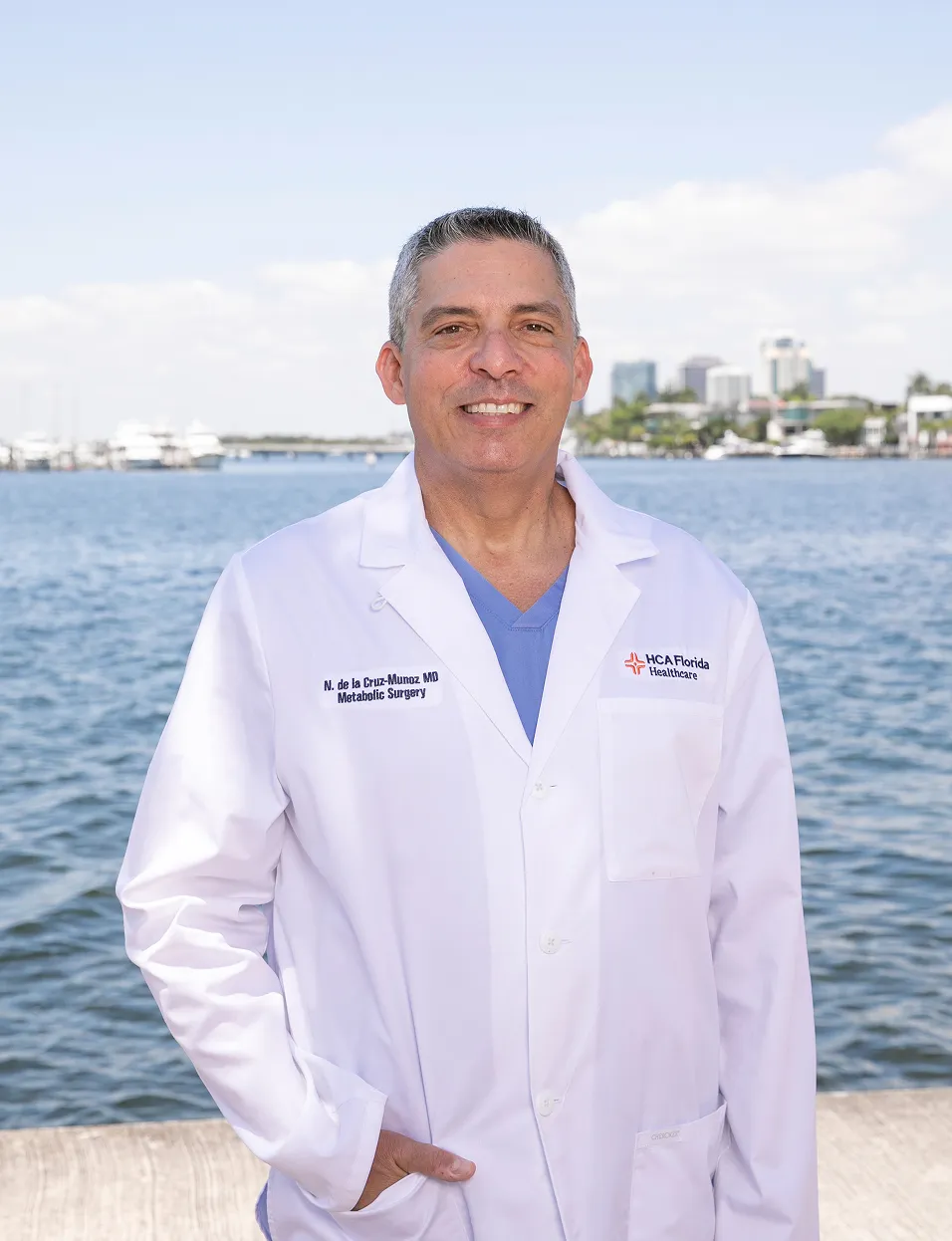

Dr. de la Cruz‑Muñoz specializes in advanced minimally invasive and robotic surgery, metabolic disease management, and comprehensive long‑term patient care. His work integrates clinical expertise, academic leadership, and a commitment to evidence‑based medicine. He has trained surgeons across the country, contributed to national guidelines, and is widely regarded for his outcomes, innovation, and patient‑centered approach.
Patients choose Dr. de la Cruz‑Muñoz for his combination of surgical excellence, metabolic expertise, and lifelong dedication to improving patient health through compassionate, high‑quality care.
Procedures We Offer




Conditions






FAQ
People Also Ask
Obesity is recognized as a chronic disease by major medical organizations, including the American Medical Association. It is influenced by genetics, hormones, brain signaling, environment, sleep, stress and medications, not simply willpower. Like other chronic diseases, it often requires long-term treatment, which may include nutrition, activity, behavioral support, medications and surgery. Lifestyle matters, but biology largely determines how the body responds.
The body has powerful systems that defend its weight. When you lose weight, hunger hormones rise, fullness hormones drop, the brain becomes more focused on food and metabolism slows, a process called metabolic adaptation. Genetics, sleep, stress, medications and the modern food environment add to the challenge. These are biological forces, not character flaws, which is why medical treatment is often needed.
Genetics play a major role. Studies of twins and adopted children suggest that roughly 40–70% of the variation in body weight is inherited, influencing appetite, fullness, metabolism and where fat is stored. Many genes each contribute a small effect, and a few rare single-gene forms cause severe early obesity. Genes interact with environment, sleep, stress and medications, so a family history raises risk but does not determine destiny.
GLP-1 medications mimic a natural gut hormone released after eating. They act on the brain to reduce hunger and increase fullness, slow stomach emptying so meals last longer, quiet "food noise," and improve insulin release and blood sugar. Tirzepatide also acts on a second hormone, GIP. In clinical trials, these medications produced average weight loss of about 15–20% (Wilding et al., New England Journal of Medicine, 2021; Jastreboff et al., New England Journal of Medicine, 2022).
Yes. Obesity is associated with more than 200 health conditions, including type 2 diabetes, high blood pressure, high cholesterol, heart disease, stroke, sleep apnea, fatty liver disease, reflux, osteoarthritis, infertility and PCOS, depression and at least 13 types of cancer. Losing weight, through medical treatment or bariatric surgery, improves or resolves many of these conditions.
Dieting alone usually cannot overcome the body's biological defenses against weight loss. As weight falls, hunger hormones rise, fullness hormones fall and metabolism slows, changes that can last for years. Most people regain the majority of diet-related weight loss within several years. That is not a failure of willpower, and it is why treatments that address appetite biology, such as GLP-1 medications and bariatric surgery, are more effective for many people with obesity.
Consider medical evaluation when excess weight affects your health, mobility or quality of life, or when you have related conditions such as prediabetes, diabetes, high blood pressure, sleep apnea, fatty liver or joint pain. Guidelines support medications for adults with a BMI of 30 or higher, or 27 or higher with a weight-related condition, and surgery for a BMI of 35 or higher, or 30 or higher with metabolic disease. Early treatment can help prevent complications.
Yes. Bariatric surgery treats the biological drivers of obesity, changing hunger and fullness hormones, insulin sensitivity and the weight the body defends. It is the most effective and durable treatment for severe obesity, producing large, sustained weight loss and improving or resolving diabetes, high blood pressure, sleep apnea and fatty liver. Long-term studies show it also reduces the risk of heart disease, cancer and early death.