Metabolic Adaptation

Videos
Overview
Metabolic adaptation is the body's coordinated response to weight loss: energy expenditure falls more than expected for the smaller body size, hunger increases, and fullness signals weaken. Scientists sometimes call the drop in energy expenditure "adaptive thermogenesis." Together, these changes push the body back toward its previous weight and explain why most people regain weight after dieting (Rosenbaum & Leibel, International Journal of Obesity, 2010).
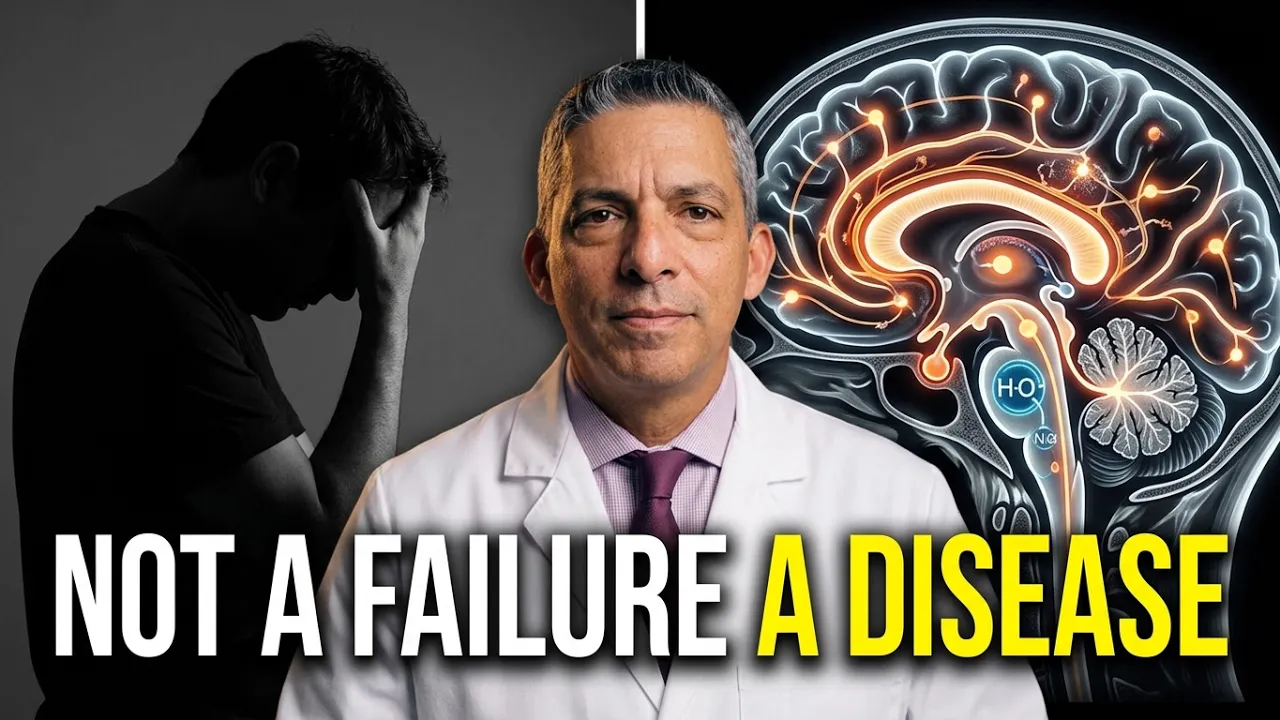
This is not a failure of willpower. It is a well-documented biological defense of body fat that evolved to protect against famine. In a long-term follow-up of contestants from a televised weight-loss competition, resting metabolic rate remained about 500 calories per day lower than predicted six years later, even after much of the weight had been regained (Fothergill et al., Obesity, 2016). Hormonal changes that increase hunger persist for at least a year after weight loss (Sumithran et al., New England Journal of Medicine, 2011).
Understanding metabolic adaptation helps explain plateaus, weight regain and why effective long-term treatment often needs tools that change the body's biology, such as GLP-1 medications and bariatric surgery, rather than relying on calorie restriction alone.
The Set Point Concept
Many researchers describe body weight as being defended around a "set point" or settling range determined by genetics, environment and history. When weight falls below that range through dieting, the brain interprets it as a threat and activates hunger and energy-saving responses. Effective long-term treatments appear to work in part by lowering the weight the body defends, rather than simply forcing a calorie deficit against the body's resistance (Rosenbaum & Leibel, International Journal of Obesity, 2010).
How Long Does It Last?
In a study of people who lost weight on a very-low-calorie diet, ghrelin remained elevated and fullness hormones remained suppressed one year later, along with greater reported hunger (Sumithran et al., New England Journal of Medicine, 2011). This persistence is why weight maintenance requires ongoing strategies, not just a successful diet phase.
Causes
- Lower resting metabolic rate, beyond what is explained by reduced body size (Rosenbaum & Leibel, International Journal of Obesity, 2010)
- Reduced energy cost of movement: muscles become more efficient after weight loss.
- Hormonal changes: after diet-induced weight loss, the hunger hormone ghrelin rises while leptin, peptide YY and other fullness signals fall (Sumithran et al., New England Journal of Medicine, 2011). See ghrelin dysregulation and leptin resistance.
- Brain signaling: the hypothalamus senses lower leptin and increases appetite and food reward.
- Loss of muscle mass, which lowers energy expenditure
- Reduced spontaneous activity and fidgeting
Risk Factors
- Large or rapid weight loss through calorie restriction
- Repeated cycles of dieting and regain ("yo-yo dieting")
- Loss of muscle during weight loss
- Low protein intake
- Poor sleep and chronic stress
- Genetic predisposition
Who It Affects
Metabolic adaptation affects virtually everyone who loses a meaningful amount of weight, though its magnitude varies between individuals. It is a major reason why diets alone rarely produce lasting results and why many people regain weight after medically supervised programs and, to a lesser extent, after bariatric surgery.
Complications
- Weight-loss plateaus
- Weight regain after dieting or surgery; see weight regain
- Return of obesity-related conditions such as diabetes and high blood pressure
- Frustration and loss of motivation
Symptoms
- Weight loss slowing or stopping despite the same eating and activity
- Increased hunger and more frequent food thoughts
- Feeling less full after meals
- Feeling cold or tired
- Gradual weight regain
Many people describe this experience as "doing everything right" while the scale stops moving, or as their hunger "coming back with a vengeance" months after a diet. These are expected biological responses, not signs of personal failure.
Diagnosis
- Weight history and the pattern of loss and regain
- Body composition testing to assess fat and muscle
- Indirect calorimetry, which measures resting metabolic rate
- Exclusion of other causes, including thyroid disease and medications
Differential Diagnosis
- Hypothyroidism
- Medication-related weight gain
- Fluid retention
- Anatomical changes after bariatric surgery, such as a dilated pouch or sleeve
Lifestyle Modifications
- Protect muscle with resistance training two to three times a week; see the 7-level exercise program.
- Prioritize protein at every meal.
- Increase daily movement, since activity is one of the strongest predictors of weight maintenance.
- Sleep seven to nine hours.
- Avoid extreme diets that cause rapid muscle loss.
- Expect plateaus and focus on long-term habits (Hall & Kahan, Medical Clinics of North America, 2018).
Treatment Options
- GLP-1 and dual GIP/GLP-1 medications: counteract the rise in hunger and the drop in fullness that drive regain; see medical weight loss.
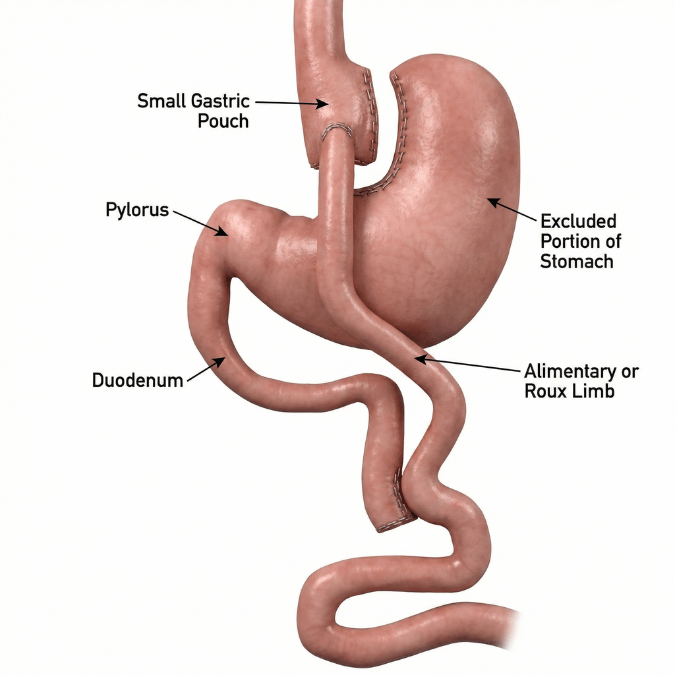
- Bariatric surgery: changes gut hormone signaling, increasing fullness hormones and, after sleeve gastrectomy, lowering ghrelin. In a comparison with dieters, patients after gastric bypass showed less metabolic slowdown relative to the amount of weight lost (Knuth et al., Obesity, 2014). See bariatric surgery.
- Long-term maintenance programs with dietitian and behavioral support
Muscle Is Your Metabolic Insurance
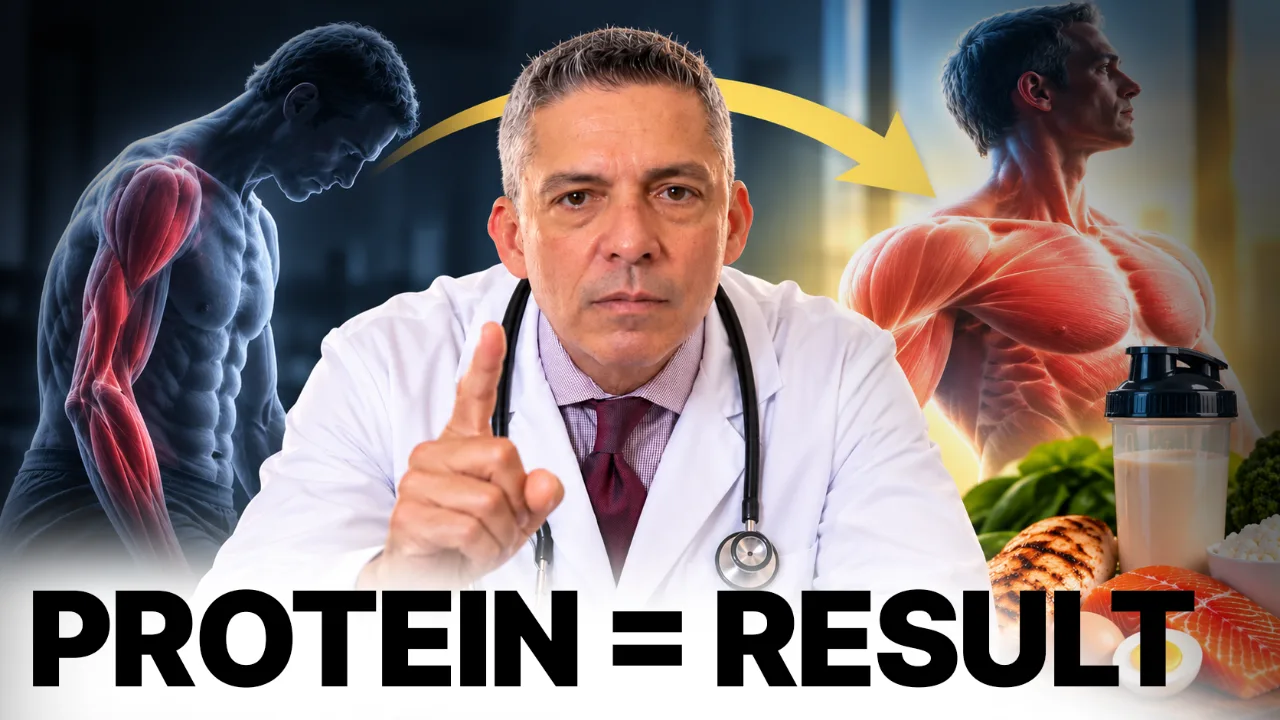
Muscle is metabolically active tissue. Losing a large amount of muscle during weight loss lowers daily energy needs and makes regain more likely. High protein intake, resistance training and body composition monitoring help ensure that weight lost is mostly fat, which supports a healthier metabolism after any weight-loss treatment.
For practical steps when progress slows, read Why Weight Loss Stalls: Understanding Plateaus and How to Break Them.
When to See a Doctor
Talk with a weight-management specialist if you have lost and regained weight repeatedly, have reached a plateau well above your goal, or are struggling with increasing hunger after weight loss.
When to Seek Treatment
Seek treatment when weight regain is bringing back health problems such as rising blood sugar, blood pressure or sleep apnea.
Long-Term Outlook
Treating obesity as a chronic disease, with ongoing support rather than a one-time diet, allows most people to maintain a meaningful amount of weight loss and its health benefits.
Related Reading and Videos
Read more in our articles The Metabolism Problem No One Talks About and Understanding Set-Point Theory: Why Your Body Fights Weight Loss. Watch Why Your Metabolism Fights You (and how Surgery Fixes It) and What Bariatric Surgery Really Does to Your Metabolism. The Science No One Told You on our video library. Related conditions include Inadequate Weight Loss. Treatments that may be involved include Gastric Bypass (RYGB).
Prognosis
Metabolic adaptation is persistent, but it can be managed. Combining muscle-preserving habits with medications or surgery that alter the body's weight-regulating signals gives the best chance of maintaining weight loss long term (Hall & Kahan, Medical Clinics of North America, 2018).
Why Choose Dr. de la Cruz-Muñoz
Dr. de la Cruz-Muñoz is a board-certified metabolic and bariatric surgeon who treats obesity as the chronic biological disease it is. His practice offers body composition testing, medical weight loss with modern medications, bariatric surgery and revisional options, so each patient's plan addresses the biology that drives regain.
Dr. de la Cruz-Muñoz has been performing bariatric surgery for over 25 years and has completed more than 9,000 bariatric operations — a volume few surgeons reach.
Featured Procedures











FAQ
Obesity is driven by genetics, hormones, metabolism, gut microbiota, sleep disruption, medications, stress, and environmental factors. More than 100 genes influence appetite, cravings, and fat storage. This is why two people can eat the same diet and gain or lose weight differently. Obesity is a biological disease, not a behavioral failure.
Not reliably. Metabolic adaptation is driven by hormones and brain signals that increase hunger and lower calorie burning after weight loss. Willpower can override these signals for a while, but they persist for months to years, which is why most diet-related weight loss is regained. This is not a character flaw. Effective long-term treatment addresses the biology — with medication, surgery or both — alongside healthy habits that make the most of those tools.
Partly — but rarely through dieting alone, which tends to strengthen it. Building muscle through strength training and adequate protein raises resting energy use, and keeping weight stable for a period lets some adaptation settle. The most powerful approaches change the hormonal signals behind it: GLP-1 medications reduce hunger, and bariatric surgery lowers the body's defended weight and increases fullness hormones, allowing patients to maintain a much lower weight long term.
Diets fail because they fight biology. When calories drop, hunger hormones rise, fullness hormones fall, and metabolism slows—a survival response called metabolic adaptation. The body actively resists weight loss and pushes weight regain. This is why most diets fail long‑term and why medical therapy or metabolic surgery is often required to treat the underlying hormonal drivers.
When you lose weight, your body needs fewer calories simply because it is smaller. But it also goes further, through a process called metabolic adaptation: the body becomes more energy-efficient, burns fewer calories at rest and during activity, and increases hunger signals to protect against starvation. Loss of muscle tissue reduces calorie needs further. These adaptations are biological, not a lack of effort, and they explain why weight-loss plateaus and regain are so common.
Repeated cycles of dieting and regain can work against you. Each diet causes some loss of muscle along with fat, and weight that is regained tends to return mostly as fat. Over several cycles, this shifts body composition toward less muscle and more fat, lowering the number of calories you burn at rest. Dieting also triggers metabolic adaptation, in which hunger increases and calorie burning decreases. Protecting muscle with protein and strength training, and choosing treatments that change appetite biology, help break the cycle.
Yes — it is the expected biological response, not a personal failure. After weight loss from dieting, the body increases hunger hormones, decreases fullness hormones and burns fewer calories than before, all of which push weight back toward where it started. Studies consistently show that most people regain the majority of diet-related weight loss within a few years. Understanding this helps explain why long-term treatment — medication, surgery, or both, along with healthy habits — is often needed for obesity, just as it is for other chronic diseases.
Early weight loss on a diet includes water and stored carbohydrate, so the scale moves quickly at first. After that, metabolic adaptation sets in: your body burns fewer calories, hunger increases and your energy for activity may drop. This happens to almost everyone and is a biological defense, not a lack of willpower. Adequate protein, strength training and realistic calorie targets help, but for many people with obesity, medical treatment is needed to overcome these defenses.
As you lose weight, your body needs fewer calories, and it also adapts by burning less energy and increasing hunger. At some point, intake and expenditure balance out and the scale stops moving. Water shifts, hormonal cycles and gaining muscle while losing fat can also hide progress for several weeks. A stall is not failure. Reviewing eating patterns, protein, activity and sleep usually reveals adjustments, and measurements or body composition can show progress the scale misses.
Dieting alone usually cannot overcome the body's biological defenses against weight loss. As weight falls, hunger hormones rise, fullness hormones fall and metabolism slows — changes that can last for years. Most people regain the majority of diet-related weight loss within several years. That is not a failure of willpower, and it is why treatments that address appetite biology, such as GLP-1 medications and bariatric surgery, are more effective for many people with obesity.
The body has powerful systems that defend its weight. When you lose weight, hunger hormones rise, fullness hormones drop, the brain becomes more focused on food and metabolism slows — a process called metabolic adaptation. Genetics, sleep, stress, medications and the modern food environment add to the challenge. These are biological forces, not character flaws, which is why medical treatment is often needed.
Diets fail because they fight biology, not behavior. When you restrict calories, ghrelin rises, hunger increases, fullness hormones drop, and metabolism slows — a survival response called metabolic adaptation. The body defends its weight set‑point, making long‑term weight loss extremely difficult. This is why most diets fail over the long term and why medical therapy or metabolic surgery is often needed to change the underlying hormonal drivers of weight regain.
Because weight is regulated by biology, not just willpower. When you cut calories, your body fights back: the hunger hormone ghrelin rises, fullness hormones such as GLP-1 and PYY fall, and your metabolism slows to conserve energy. This is called metabolic adaptation, and it is why only a small minority of people keep weight off with dieting alone.
That does not mean you are doing anything wrong. Obesity is a chronic disease, and it often needs medical treatment, such as GLP-1 medications, endoscopic procedures or bariatric surgery, that changes the biology driving weight regain.