Inadequate Weight Loss

Videos
Overview
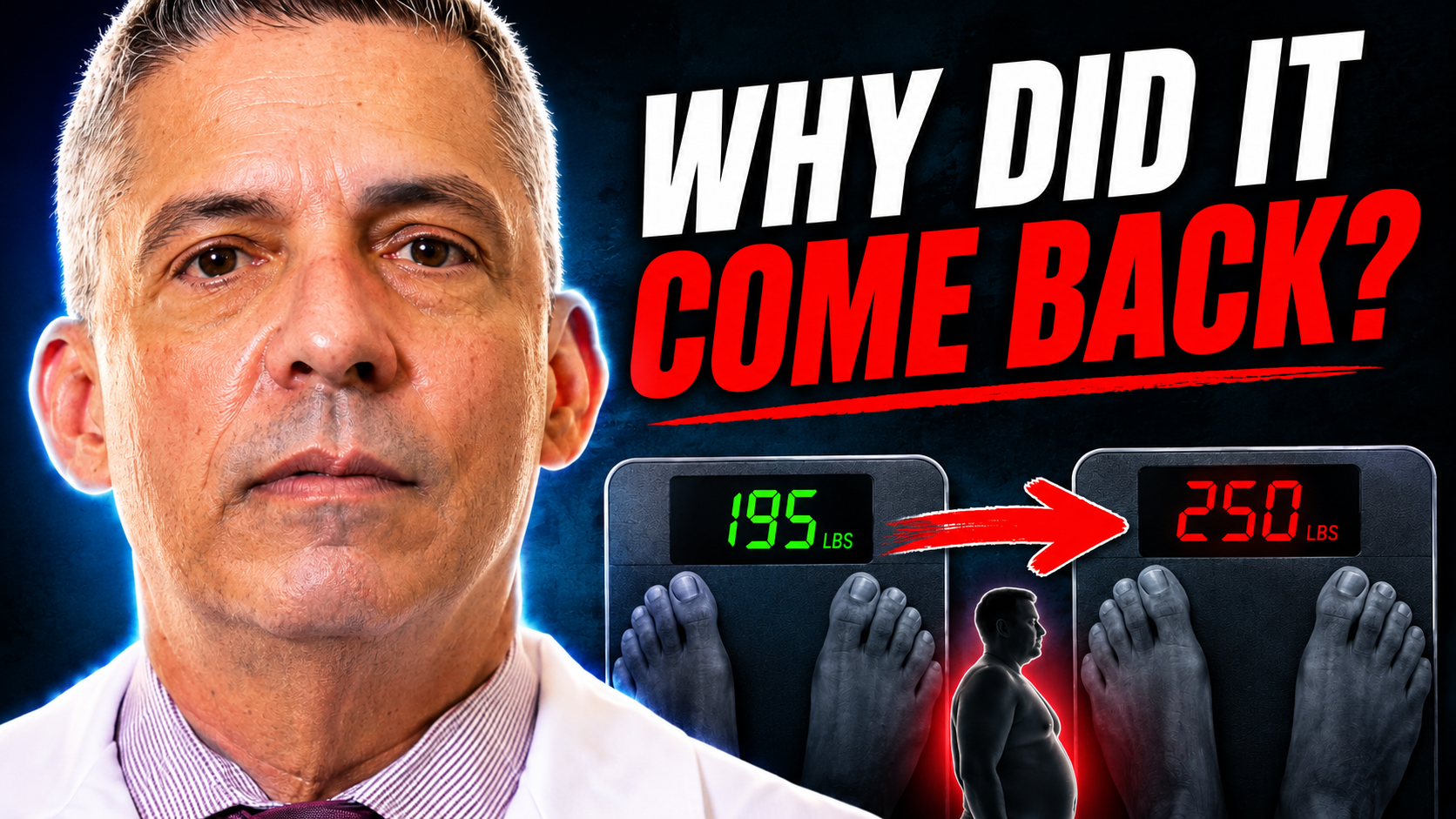
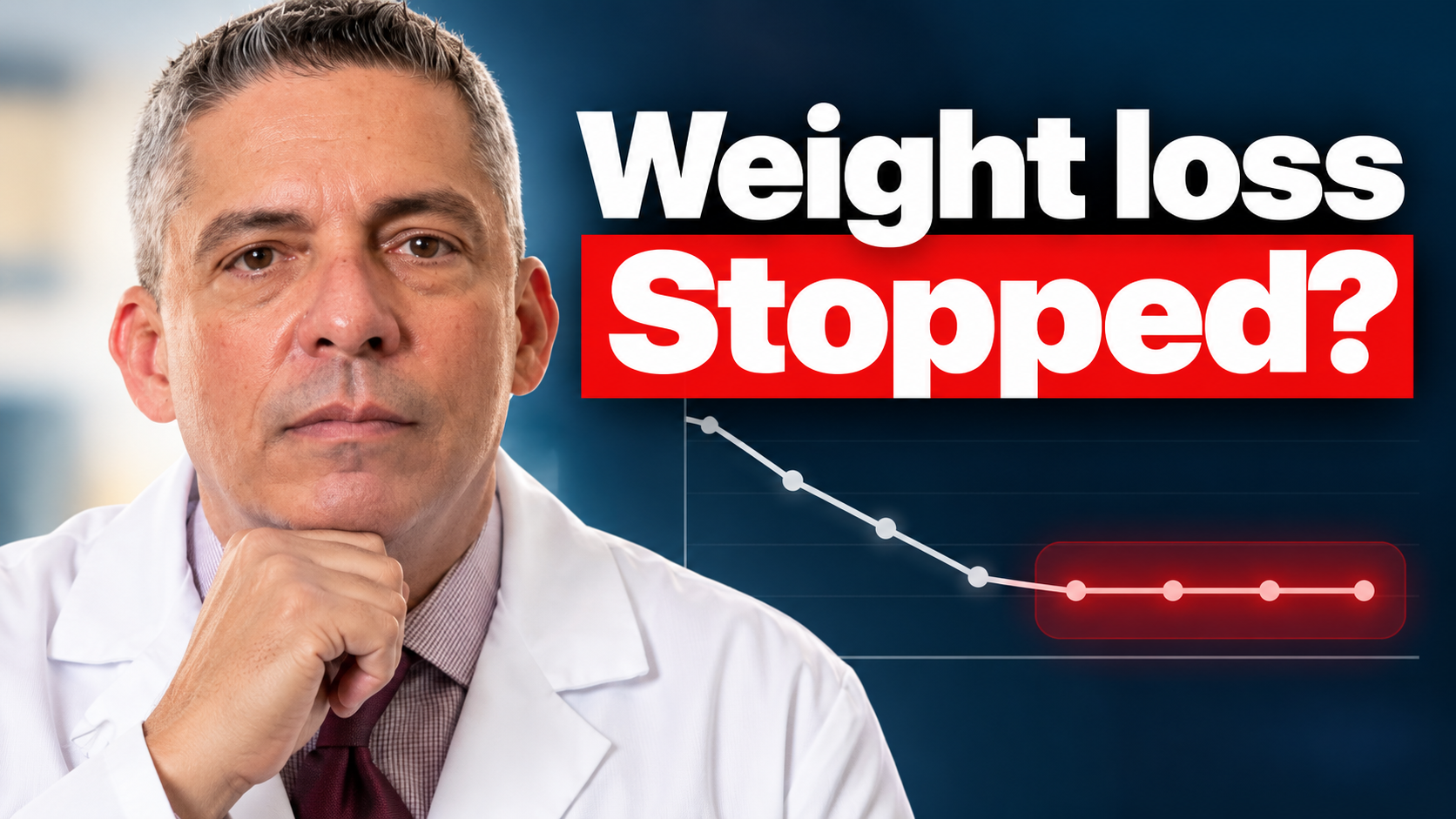
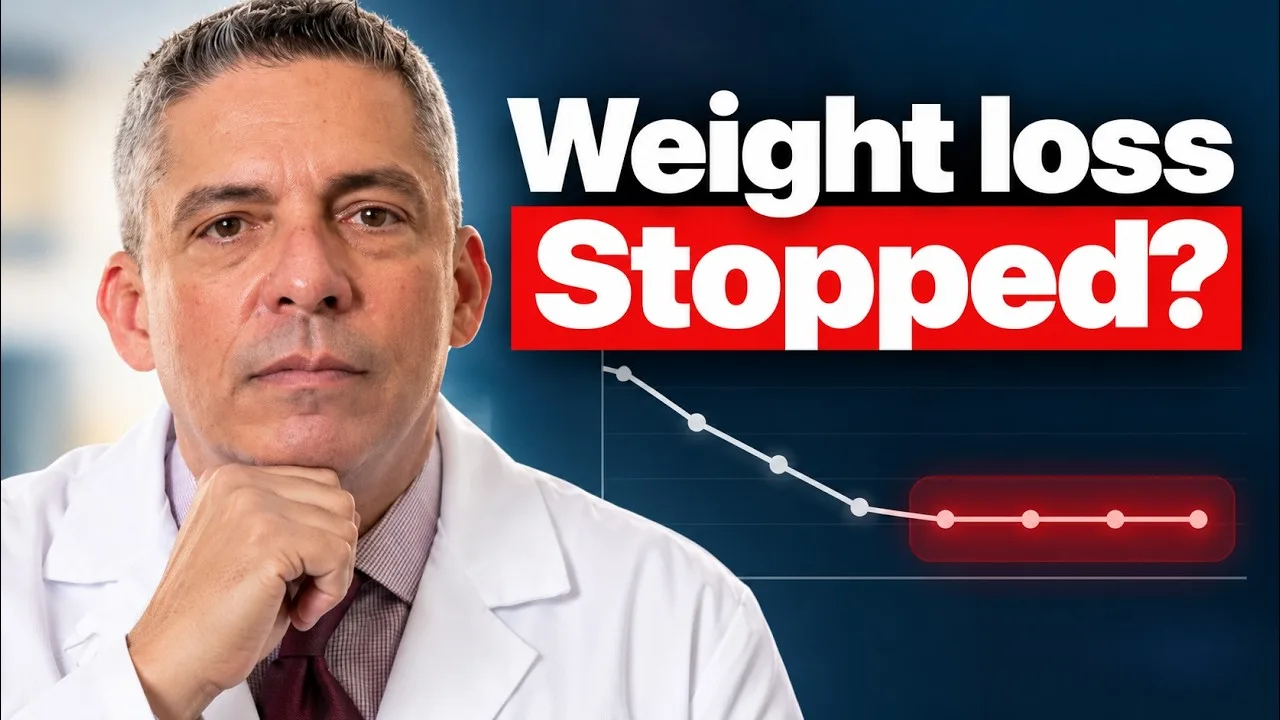
Inadequate weight loss, sometimes called suboptimal clinical response, means losing less weight after bariatric surgery than expected, without ever reaching a meaningful health goal. It is different from weight regain, where a patient loses weight well and later gains some back. Clinicians commonly use thresholds such as losing less than 20% of total body weight, or less than half of excess weight, by 12 to 18 months after surgery.
Weight loss after surgery varies widely. In the NIH-funded LABS-2 study, three-year results ranged from substantial gain to more than 50% loss of starting weight, with most patients in between, even among those who had the same operation (Courcoulas et al., JAMA, 2013). That variation reflects biology, behavior, anatomy and the choice of operation, and it means a slower-than-expected result is a reason for evaluation, not blame.
What Counts as "Enough" Weight Loss?
There is no single definition, and different studies use different measures. The most practical measure is percent total weight loss (%TWL): the share of your starting weight you have lost. Typical results at one to two years are roughly 25% to 30% TWL after sleeve gastrectomy and 30% to 35% after gastric bypass, with more after duodenal switch. In the LABS-2 study, gastric bypass patients lost a median of about 31.5% of their weight at three years, but individual results varied widely (Courcoulas et al., JAMA, 2013). Many surgeons consider less than 20% TWL at a year or more after surgery a suboptimal response worth evaluating. Older measures such as percent excess weight loss (%EWL) are still used, with less than 50% EWL a common threshold.
The most important measure, however, is health. A patient who loses 18% of body weight but sees diabetes, sleep apnea and blood pressure resolve has had a strong medical result, while a patient who loses more but still has uncontrolled disease may benefit from further treatment.
Causes
- Biology: genetics, hormonal response and metabolic adaptation strongly influence how much weight a person loses.
- Choice of operation: the sleeve produces somewhat less weight loss than gastric bypass, which in turn produces less than duodenal switch. In the SLEEVEPASS and SM-BOSS randomized trials, five-year excess weight loss was about 49% after sleeve versus 57% after bypass in SLEEVEPASS, and about 61% versus 68% in SM-BOSS (Salminen et al., JAMA, 2018) (Peterli et al., JAMA, 2018).
- Starting BMI: patients with a very high starting BMI often remain in the obese range even after losing a large number of pounds.
- Eating patterns: grazing, liquid calories, high-calorie soft foods and loss-of-control eating
- Anatomy: a large pouch or sleeve, a dilated connection or a gastro-gastric fistula
- Medications that promote weight gain
- Low physical activity and muscle loss
- Untreated mental health conditions such as depression or binge eating
Why Two Patients With the Same Operation Can Have Very Different Results
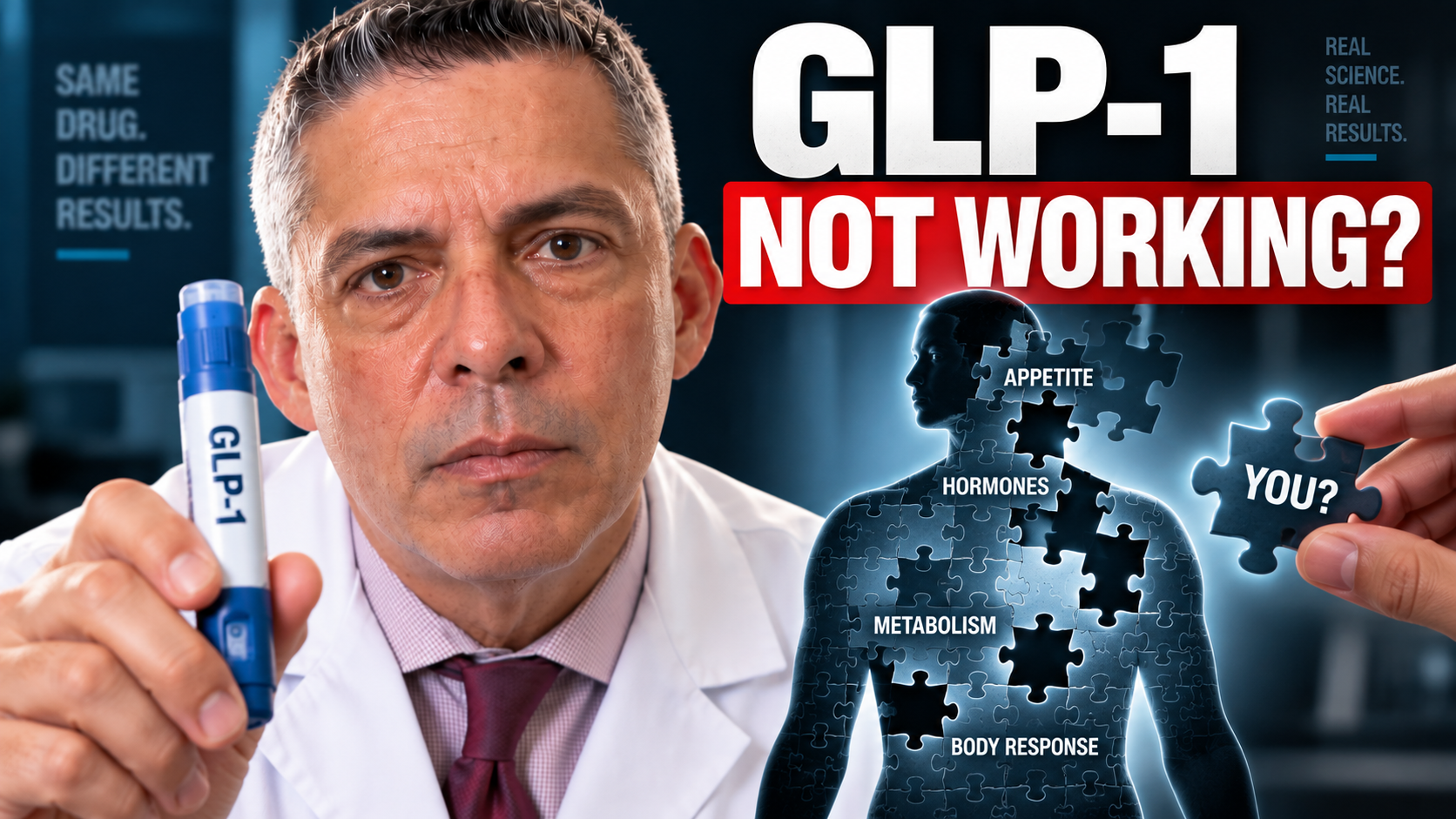
Body weight is regulated by a complex network of gut hormones, brain signals and genes. Surgery changes many of these signals, including hunger hormones like ghrelin and fullness hormones like GLP-1 and PYY, but the size of that change differs between people. Some patients experience a dramatic drop in hunger and "food noise," while others notice only modest changes. This biological variation, rather than effort or willpower, explains much of the difference in results. It is also why adding a medication that targets these same pathways can be so effective for patients who responded less to surgery.
Risk Factors
- Very high starting BMI
- Type 2 diabetes, especially when insulin-treated
- Binge or loss-of-control eating before or after surgery
- Weight-promoting medications such as some antidepressants, antipsychotics, steroids and insulin
- Low activity levels or mobility limitations
- Missed follow-up and limited dietitian support
- Older age in some studies
Importantly, none of these factors means surgery cannot work. They identify patients who may benefit from closer support from the start, earlier use of medication, or a more powerful operation.
Who It Affects
Inadequate weight loss can follow any bariatric operation. It is more common after less powerful operations such as the adjustable band and the sleeve, and among patients with a very high starting BMI, insulin-treated diabetes or weight-promoting medications. It is usually recognized 12 to 24 months after surgery, when weight loss plateaus well short of the expected range.
Patients who had an adjustable gastric band, which produces less weight loss on average and has high long-term failure rates, are a special group. Many benefit from band removal and conversion to a sleeve, gastric bypass or SADI-S. See band to gastric bypass conversion.
Complications
- Persistent obesity-related disease, including type 2 diabetes, high blood pressure, sleep apnea and joint pain
- Frustration, shame and disengagement from care, which can worsen the problem
- Missed opportunity for earlier treatment with medication or revision
Perhaps the most harmful consequence is emotional. Patients who believe they "failed" surgery often stop attending follow-up, which removes the support that could help them. Inadequate weight loss is a medical outcome with identifiable causes, and it is treatable.
Symptoms
- Early plateau well short of expected weight loss
- Little change in hunger or portion size after surgery
- Persistent or returning health problems such as high blood sugar or blood pressure
- Ability to eat large portions without discomfort
Diagnosis
A structured evaluation identifies which factors are involved:
- Weight trajectory since surgery and comparison with expected results for the operation
- Body composition testing to separate fat loss from muscle loss
- Upper endoscopy and imaging to measure the pouch or sleeve and check for a fistula or dilated connection; see diagnostic upper endoscopy
- Nutrition assessment and food diary
- Behavioral evaluation for loss-of-control eating, depression and alcohol use
- Laboratory tests including thyroid function and blood sugar
- Medication review
What to Expect at an Evaluation
A typical evaluation begins with a detailed history of your weight since surgery, your eating pattern, activity, sleep, stress and medications. Body composition testing shows whether you are losing fat or muscle. If the history or symptoms suggest an anatomical problem, upper endoscopy and an upper GI study measure the pouch or sleeve and check for a fistula. Bloodwork rules out thyroid and other hormonal problems and checks nutritional status. The results are reviewed together so that the plan addresses the actual causes rather than guessing.
Differential Diagnosis
- Weight regain after an initially good response
- Fluid retention from heart, kidney or liver disease
- Hypothyroidism or Cushing syndrome
- Medication-related weight gain
- Gain in muscle mass from strength training, which can mask fat loss on the scale
Lifestyle Modifications
- Structured meals: three meals and one or two planned snacks, protein first, no grazing
- No liquid calories
- Separate liquids from solids to preserve fullness
- Strength training two to three times a week plus regular walking; see the 7-level exercise program
- Food and weight tracking
- Behavioral support for emotional or loss-of-control eating
- Sleep of seven hours or more and treatment of sleep apnea
Common Patterns That Slow Weight Loss
- Grazing: frequent small snacks that add up without triggering fullness
- Soft and slider foods: crackers, chips, ice cream and similar foods that pass through quickly
- Drinking with meals, which washes food through the pouch or sleeve
- Low protein, which reduces fullness and muscle
- Weekend or evening overeating linked to stress or emotions; see emotional eating
Treatment Options
- Intensified lifestyle therapy with dietitian and behavioral support
- Anti-obesity medication: GLP-1 receptor agonists such as semaglutide, and tirzepatide, are now widely used after surgery to augment weight loss; see the medical weight loss program.
- Medication review to replace weight-promoting drugs where possible
- Endoscopic revision when testing shows a dilated outlet or sleeve; see endoscopic revision (TORe).
- Surgical revision: converting a sleeve to gastric bypass, SADI-S or duodenal switch, or lengthening the bypassed limb after gastric bypass. See sleeve to SADI-S conversion and gastric bypass distalization.
Medications After Bariatric Surgery: What the Evidence Shows
Anti-obesity medications are now a mainstream part of post-surgical care. In the BARI-OPTIMISE randomized trial, patients with poor weight loss after bariatric surgery who received the GLP-1 medication liraglutide lost about 9% of body weight over six months, compared with under 1% with placebo (Mok et al., BARI-OPTIMISE trial, JAMA Surgery, 2023). Newer agents are considerably more potent in the general population: semaglutide produced about 15% average weight loss in the STEP-1 trial (Wilding et al., New England Journal of Medicine, 2021), and tirzepatide about 21% at the highest dose in SURMOUNT-1 (Jastreboff et al., New England Journal of Medicine, 2022). Although these trials did not focus on bariatric patients, clinical experience shows that many patients with a suboptimal response to surgery respond well to them.
Choosing Between Medication, Endoscopy and Revision
- Medication first is usually appropriate when the anatomy is intact and the main driver is biological or behavioral.
- Endoscopic revision fits patients with a dilated gastric bypass connection or a stretched sleeve and moderate weight goals.
- Surgical revision is considered when there is a clear anatomical problem, when reflux or another complication also needs correction, or when a large amount of additional weight loss is needed. Converting a sleeve to duodenal switch or SADI-S produces the greatest additional weight loss, with higher nutritional demands.
Many patients benefit from combining approaches, for example revision plus medication.
If your weight has leveled off, Why Weight Loss Stalls: Understanding Plateaus and How to Break Them explains why plateaus happen and what can help.
When to See a Doctor
Talk with your bariatric team if your weight loss has stalled well short of your goal 12 to 18 months after surgery, if hunger and portion sizes never changed much, or if your health conditions have not improved. The earlier the evaluation, the more options you have.
It is also worth an evaluation if you were never able to follow the post-operative diet stages comfortably, if hunger returned within the first few months, or if you started a weight-promoting medication after surgery.
When to Seek Treatment
Seek treatment when lifestyle changes have not moved the scale over several months, when your diabetes or blood pressure remain uncontrolled, or when testing shows an anatomical problem. New reflux, vomiting or abdominal pain should be evaluated promptly.
Long-Term Outlook
Obesity is a chronic disease, and some patients need more than one tool. With combined surgical, medical and behavioral care and lifelong follow-up, most patients who initially lose less weight than expected ultimately reach meaningful health improvements.
Long-term success is measured in years, not months. Combining the tools available today, surgery, medication, endoscopy, nutrition, exercise and behavioral support, gives nearly every patient a path to meaningful and lasting health improvement. See the weight regain guide for related strategies.
Related Reading and Videos
Read more in our articles How to Eat After Bariatric Surgery for Long-Term Success and Why the Scale Stops: The Truth About Weight-Loss Plateaus After Bariatric Surgery. Watch The REAL Reason Weight Comes Back After Sleeve Surgery — It’s Not What You Think, How Much Weight Will You REALLY Lose After Bariatric Surgery? (The Honest, Data‑Backed Answer) and Why Your Weight Loss Stopped After Surgery (The Truth Surgeons Don’t Explain) on our video library. Related conditions include Obesity (Adiposity-Based Chronic Disease). Treatments that may be involved include Revisional Bariatric Surgery.
More Conditions After Bariatric Surgery
Explore related topics in our bariatric patient library: Dumping Syndrome, Post‑Bariatric Hypoglycemia, Marginal Ulcer, Leaks After Bariatric Surgery, Stomach Narrowing (Stricture) After Bariatric Surgery and Internal Hernia. For an overview, see our pages on bariatric surgery and lifelong follow-up after bariatric surgery.
Prognosis
The outlook is good. Most patients with inadequate weight loss respond to adding medication, and those who need it can achieve substantial additional weight loss with revisional surgery. The key is identifying the reason for the poor response and matching the treatment to it.
Recognizing a suboptimal response early, typically within the first 12 to 18 months, gives the most options and the best chance of reaching health goals. Patients who engage in a structured evaluation and accept additional treatment commonly reach the weight loss originally expected from their operation.
Why Choose Dr. de la Cruz-Muñoz
A disappointing result after surgery deserves a careful explanation and a clear plan, not judgment. Dr. de la Cruz-Muñoz is a board-certified metabolic and bariatric surgeon and revisional specialist who evaluates the anatomy himself with endoscopy, reviews the full medical, nutritional and behavioral picture, and offers every level of treatment: GLP-1 and other medications, endoscopic revision, and complex surgical revisions including sleeve-to-bypass, SADI-S and duodenal switch conversions and limb distalization.
Dr. de la Cruz-Muñoz has published research on factors that explain variability in weight loss after bariatric surgery (Benoit et al., Obesity Surgery, 2014; Khorgami et al., Obesity Surgery, 2015) and on surgical techniques to improve restriction after gastric bypass (Marks & de la Cruz-Muñoz, Surgery for Obesity and Related Diseases, 2011).
Dr. de la Cruz-Muñoz has been performing bariatric surgery for over 25 years and has completed more than 9,000 bariatric operations — a volume few surgeons reach.
Featured Procedures






FAQ
You have several good options. If the band is simply too tight or too loose, an in-office adjustment may fix it. If you have reflux, difficulty swallowing, slippage, erosion, inadequate weight loss, or weight regain, the usual path is to remove the band and convert to a more effective operation — commonly a sleeve gastrectomy, Roux-en-Y gastric bypass, or duodenal switch, chosen based on your reflux status, metabolic health, and goals (Dayan et al., Obesity Surgery, 2023). These conversions are more complex than first-time surgery and should be done by a surgeon experienced in revisional bariatric care. Anti-obesity medications can also help with weight regain (Acosta et al., American Gastroenterological Association, 2017).
When the problem is weight regain or inadequate weight loss (not reflux), especially if the initial BMI was greater than 50, SADI-S produces more additional weight loss than a gastric bypass. Network meta-analyses rank SADI-S highest for both excess and total weight loss among all sleeve revisions, and head-to-head data show SADI-S maintains significantly greater weight loss and BMI reduction than gastric bypass out to seven years, thanks to its stronger malabsorptive component (Małczak et al., Obesity Reviews, 2025; Salama et al., Surgical Endoscopy, 2026). Gastric bypass remains the better choice when reflux is the dominant problem.
The best candidates are patients with significant weight regain or inadequate weight loss after a band, often with a higher BMI (generally over 50) and metabolic disease such as type 2 diabetes, who can commit to lifelong vitamin, mineral, and protein supplementation (Peabody et al., SOARD, 2025; Süsstrunk et al., SOARD, 2023). Patients whose main problem is reflux or esophageal dysmotility are usually better served by converting to a gastric bypass instead, which is why a pre-op upper GI study is essential (Pearlstein et al., Obesity Surgery, 2019).
No single revision is best for everyone. The right operation depends on why the weight came back. A gastrogastric fistula is fixed by repairing it: surgical takedown brought patients back to about 35% total weight loss from their original weight (Martin et al., Surgical Endoscopy, 2025). A stretched pouch with lost fullness may respond to pouch reduction, with about 20% weight loss at 2 years (Ferro et al., Journal of Clinical Medicine, 2022). For patients who still feel full but regain, malabsorptive options last longest. Conversion to SADI-S maintained about 35–38% total weight loss up to 5 years (El-On et al., Obesity Surgery, 2026), but it carries higher nutritional risk.
Yes. OAGB can be revised, converted, or partly reversed if needed. Because it is built with a single connection, a surgeon can change it later more easily than many malabsorptive operations. The American Society for Metabolic and Bariatric Surgery (ASMBS) groups the reasons for revision into two categories (Vosburg et al., ASMBS, 2026):
• Problems at the pouch or connection: bile reflux with pouch inflammation, marginal ulcer, narrowing (stricture), or an enlarged pouch
• Too much malabsorption: chronic diarrhea or protein-calorie malnutrition. A biliopancreatic limb longer than 200 cm raises this risk. It can also happen with shorter limbs when a patient's total small bowel is naturally short (Vosburg et al., ASMBS, 2026).
The main revision options are:
• Conversion to Roux-en-Y gastric bypass. This is usually chosen for bile reflux or ulcers. In one series, all patients had resolution of symptoms by 6 months, although 37.5% had a complication within 30 days (Vosburg et al., ASMBS, 2026).
• Limb-length revision. The amount of bypassed intestine is shortened to reduce malabsorption.
• Partial or complete reversal. This is used for refractory low protein (hypoalbuminemia). In one series of partial reversals, serum albumin rose from 3.0 to 4.0 g/dL, and 82% of patients still kept at least 50% excess weight loss over 1–7 years (Vosburg et al., ASMBS, 2026).
Revision is not a minor operation. Reversal or revision of OAGB can carry morbidity rates of 31%–41%. The ASMBS recommends intensive nutritional support first, along with treatment of other causes of poor eating such as bile gastritis or ulcers, before surgery is considered (Vosburg et al., ASMBS, 2026). Severe reflux needing revision is uncommon, occurring in about 2% of OAGB patients in pooled data (Vosburg et al., ASMBS, 2026).
Two steps lower the chance of needing revision at all: tailoring the limb to your measured bowel length and staying on lifelong vitamin and lab monitoring. See OAGB to Gastric Bypass Conversion, Gastric Bypass Reversal for Malnutrition, and Revisional Bariatric Surgery.
For the right patient, it can be. These conversions produce the strongest and most durable weight loss. SADI-S conversion maintained 34.5–37.8% total weight loss from 1 to 5 years (El-On et al., Obesity Surgery, 2026). Duodenal switch conversion reached about 76% excess BMI loss at 3 years (Tran et al., Obesity Surgery, 2016). They are also the most complex revisions. One duodenal switch conversion series reported 25.7% early complications and 14.8% reoperation (Roulet et al., Surgery for Obesity and Related Diseases, 2024). Candidates need nutritional stability, lifelong vitamins, and reliable follow-up.
Distalization is a revision for inadequate weight loss or weight regain after gastric bypass. The surgeon moves the point where digestive juices meet food further down the intestine, shortening the common channel so fewer calories are absorbed. It can produce additional weight loss, but it carries a real risk of protein malnutrition, vitamin deficiencies and diarrhea, so it requires careful patient selection, conservative limb lengths and lifelong nutritional monitoring. Other options, such as conversion to SADI-S or MagDI, may be considered depending on your anatomy.
The most common reasons are weight regain or inadequate weight loss, severe reflux after sleeve gastrectomy, stretched or dilated anatomy, gastric band complications, marginal ulcers, strictures, internal hernias, and malnutrition after malabsorptive procedures. A careful evaluation identifies the cause so the revision addresses the actual problem.