

Loose Skin After Weight-Loss Surgery: What to Expect, What Helps, and When to Consider Body Contouring

Quick Answer
Watch Related Video
Article
Obesity By The Numbers
Loose skin results from collagen and elastin damage caused by long-term stretching. Severity depends on maximum BMI, amount of weight lost, age, genetics, smoking history, and nutritional status.
Medical Topics Covered
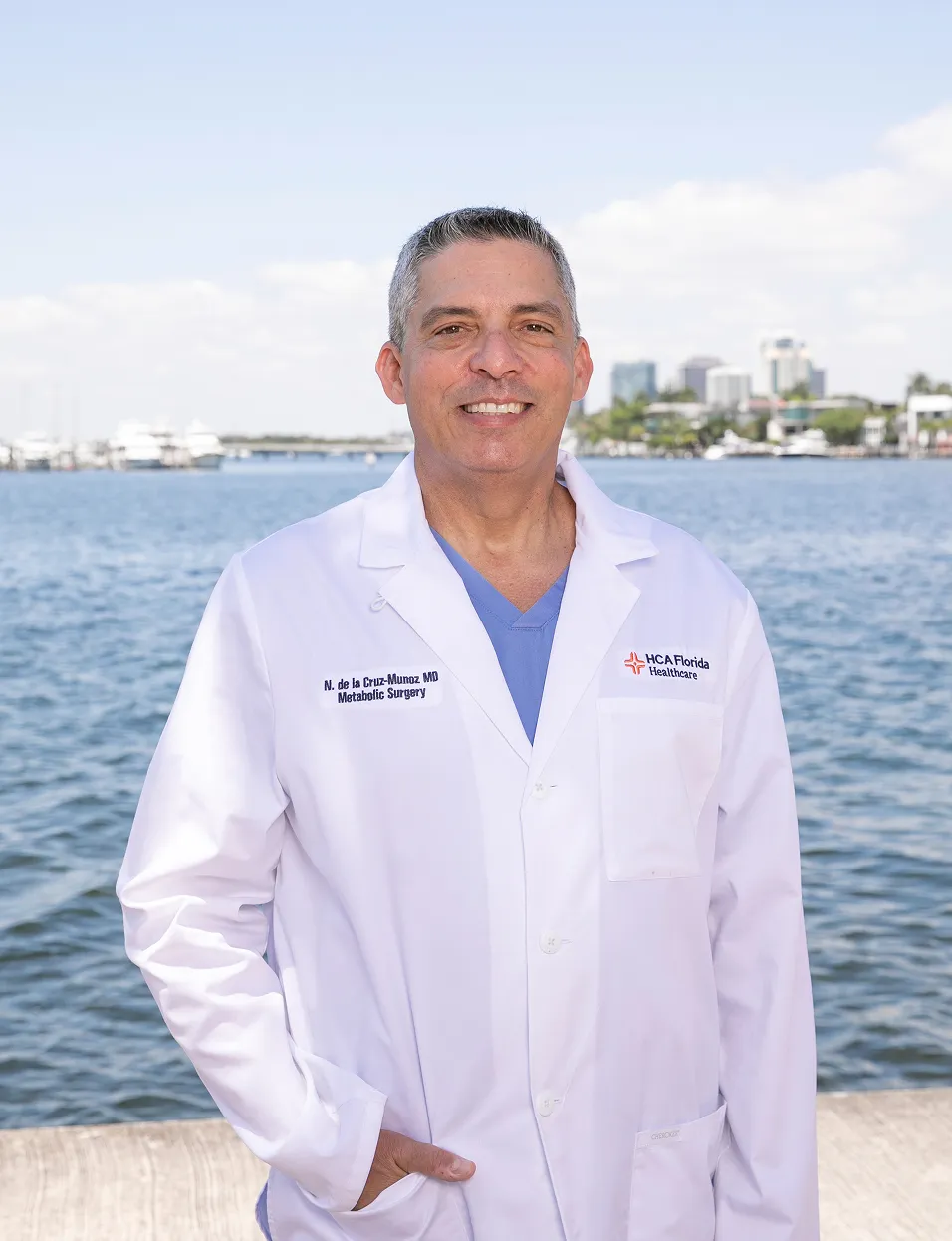

Dr. de la Cruz‑Muñoz specializes in advanced minimally invasive and robotic surgery, metabolic disease management, and comprehensive long‑term patient care. His work integrates clinical expertise, academic leadership, and a commitment to evidence‑based medicine. He has trained surgeons across the country, contributed to national guidelines, and is widely regarded for his outcomes, innovation, and patient‑centered approach.
Patients choose Dr. de la Cruz‑Muñoz for his combination of surgical excellence, metabolic expertise, and lifelong dedication to improving patient health through compassionate, high‑quality care.


Conditions

FAQ
People Also Ask
Obesity is recognized as a chronic metabolic disease influenced by genetics, hormones, environment, and biological factors — not simply lifestyle choices.
The body has built-in mechanisms that defend weight, including hunger hormones and metabolic adaptations that make long-term weight loss challenging.
Yes. Genetics can significantly influence body weight regulation, appetite, metabolism, and an individual's susceptibility to obesity.
GLP-1 medications help regulate appetite, slow stomach emptying, improve satiety, and support sustainable weight management.
Yes. Obesity is associated with conditions such as Type 2 diabetes, hypertension, sleep apnea, fatty liver disease, and cardiovascular disease.
Dieting alone often cannot overcome the biological adaptations that increase hunger and decrease energy expenditure after weight loss.
Medical evaluation may be appropriate when excess weight affects health, quality of life, or contributes to obesity-related medical conditions.
Yes. Bariatric surgery addresses biological and metabolic factors involved in obesity and can lead to significant long-term health improvements.