Chronic Kidney Disease (CKD)

Videos
Chronic kidney disease is defined as abnormalities of kidney structure or function — an estimated glomerular filtration rate (eGFR) below 60 mL/min/1.73 m², or markers of kidney damage such as albuminuria — present for more than three months (Chen et al., JAMA, 2019; Brown et al., The Primary Care Management of CKD, 2025; Farrell and Vassalotti, BMC Nephrology, 2024). It is common and growing: roughly 8–16% of adults worldwide are affected, and CKD is projected to become one of the leading causes of death globally by 2040 (Kalantar-Zadeh et al., The Lancet, 2021; Chen et al., American Journal of Kidney Diseases, 2021). Most people have no symptoms until advanced stages, which is why fewer than 5% of patients with early CKD are even aware they have it (Chen et al., JAMA, 2019).
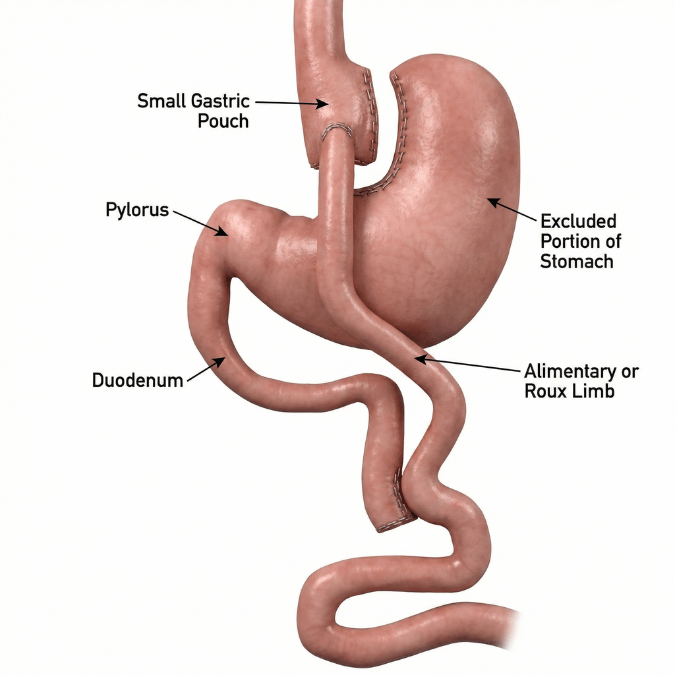
What makes CKD central to this practice is its tight link to the conditions treated here. In high-income countries, CKD is most common in people with obesity, type 2 diabetes, and hypertension (Kalantar-Zadeh et al., The Lancet, 2021). Excess weight damages the kidneys both indirectly — through insulin resistance, high blood pressure, and inflammation — and directly, through a distinct injury called obesity-related glomerulopathy (Calderon Martinez et al., Obesity Surgery, 2026). Because these drivers are modifiable, sustained weight loss, and in particular metabolic and bariatric surgery, has been shown to stabilize or improve kidney function and lower the risk of kidney failure (Lee et al., Nephrology, 2022; Friedman et al., Journal of the American Society of Nephrology, 2018; Lee et al., British Journal of Surgery, 2025). Patients exploring CKD on this site will also find the related pages on obesity, type 2 diabetes, metabolic syndrome, high blood pressure, and the surgical options — sleeve gastrectomy, Roux-en-Y gastric bypass, SADI-S, and duodenal switch — that can change its trajectory.
The leading causes of CKD are diabetes and hypertension, followed by glomerulonephritis, polycystic and other cystic kidney diseases, and obstructive or structural disease (Kalantar-Zadeh et al., The Lancet, 2021; Webster et al., The Lancet, 2017). Obesity is an established and independent cause — it produces obesity-related glomerulopathy, characterized by enlarged glomeruli (glomerulomegaly) and focal segmental glomerulosclerosis, and it accelerates kidney injury through glomerular hyperfiltration, endothelial dysfunction, and fibrosis (Calderon Martinez et al., Obesity Surgery, 2026). In many patients, several causes coexist: obesity drives both type 2 diabetes and hypertension, which in turn are the two most common pathways to kidney failure (Kalantar-Zadeh et al., The Lancet, 2021; Calderon Martinez et al., Obesity Surgery, 2026).
- Obesity — a direct cause of kidney injury and a driver of nearly every other risk factor (Kalantar-Zadeh et al., The Lancet, 2021; Calderon Martinez et al., Obesity Surgery, 2026).
- Type 2 diabetes — the single most common cause of CKD worldwide (Kalantar-Zadeh et al., The Lancet, 2021; Zhang et al., Nephrology Dialysis Transplantation, 2023).
- High blood pressure — present in 67–92% of people with CKD and both a cause and a consequence of kidney damage (Kalantar-Zadeh et al., The Lancet, 2021; Jones et al., Journal of the American College of Cardiology, 2025).
- Metabolic syndrome and dyslipidemia — insulin resistance and abnormal lipids accelerate renal decline (Calderon Martinez et al., Obesity Surgery, 2026).
- Age, family history, prior acute kidney injury, and cardiovascular disease (Kalantar-Zadeh et al., The Lancet, 2021).
Because these risk factors cluster, targeted screening with eGFR and urine albumin-to-creatinine ratio is recommended for anyone with obesity, diabetes, or hypertension (Kalantar-Zadeh et al., The Lancet, 2021).
The kidneys filter waste, balance fluid and electrolytes, control blood pressure, activate vitamin D, and support red-blood-cell production. As functioning nephrons are lost, these roles fail progressively. Waste products accumulate, fluid and sodium are retained (worsening blood pressure and heart strain), potassium and acid levels rise, bone and mineral metabolism is disrupted, and anemia develops (Kalantar-Zadeh et al., The Lancet, 2021; KDIGO Diabetes Work Group, Kidney International, 2022). Critically, CKD is as much a cardiovascular disease as a kidney disease — cardiovascular events are a more common cause of death in CKD patients than kidney failure itself, which is why reducing cardiovascular risk is a fundamental part of care (Kalantar-Zadeh et al., The Lancet, 2021).
- Progression to kidney failure (ESKD) requiring dialysis or transplantation when eGFR falls below 15 mL/min/1.73 m² (Webster et al., The Lancet, 2017).
- Accelerated cardiovascular disease — heart attack, stroke, and heart failure (Jones et al., Journal of the American College of Cardiology, 2025; Kalantar-Zadeh et al., The Lancet, 2021).
- Anemia, bone and mineral disorders, and electrolyte disturbances including hyperkalemia and metabolic acidosis (Chen et al., American Journal of Kidney Diseases, 2021; KDIGO Diabetes Work Group, Kidney International, 2022).
- Higher all-cause mortality, rising with each CKD stage and with increasing albuminuria (Brown et al., The Primary Care Management of CKD, 2025; Kalantar-Zadeh et al., The Lancet, 2021).
CKD is usually silent in its early stages. As it advances, patients may notice fatigue, swelling (edema) in the legs or around the eyes, foamy urine (from protein loss), changes in urination, poor appetite, nausea, difficulty concentrating, and poorly controlled blood pressure (Kalantar-Zadeh et al., The Lancet, 2021; Brown et al., The Primary Care Management of CKD, 2025). Overt uremic symptoms generally appear only at stage G5, when kidney replacement therapy may be needed (Brown et al., The Primary Care Management of CKD, 2025). Because symptoms arrive late, diagnosis depends on laboratory screening rather than how a patient feels.
CKD is diagnosed and staged using two simple, widely available tests: a blood test for creatinine-based eGFR (cystatin C can be added for accuracy) and a urine albumin-to-creatinine ratio (UACR), with abnormalities confirmed as persistent over at least three months to distinguish CKD from acute kidney injury (Chen et al., JAMA, 2019; Webster et al., The Lancet, 2017). Staging follows the KDIGO framework across GFR categories G1–G5 (G1 ≥90 down to G5 <15 mL/min/1.73 m²) and albuminuria categories A1–A3 (A1 <30, A2 30–300, A3 >300 mg/g), together with the underlying cause (Chen et al., JAMA, 2019; Farrell and Vassalotti, BMC Nephrology, 2024). Combining GFR and albuminuria stratifies the risk of progression, cardiovascular events, and death, and guides how often patients are monitored and when nephrology referral is warranted (Kalantar-Zadeh et al., The Lancet, 2021; Farrell and Vassalotti, BMC Nephrology, 2024).
The key distinctions are acute kidney injury (a change over 2–7 days) and acute kidney disease (≤3 months), which can be reversible and must be separated from true chronic disease by repeat testing (Chen et al., JAMA, 2019). Other considerations include transient eGFR changes from dehydration, medications, or a recent illness; isolated proteinuria or hematuria from urologic causes; and specific primary kidney diseases such as glomerulonephritis or polycystic kidney disease that require targeted evaluation (Chen et al., JAMA, 2019; Webster et al., The Lancet, 2017).
- Weight management — weight loss is a cornerstone of slowing progression, and for patients with obesity it is one of the few interventions shown to actually improve measured kidney function (Kalantar-Zadeh et al., The Lancet, 2021; Stamatiou et al., Diabetes, Obesity and Metabolism, 2026).
- Blood pressure and glucose control through diet and activity (Kalantar-Zadeh et al., The Lancet, 2021; Limonte et al., JAMA, 2025).
- Moderate dietary protein restriction — about 0.8 g/kg/day for those with eGFR below 60, rather than high-protein diets (Chen et al., American Journal of Kidney Diseases, 2021; Song et al., JAMA, 2025).
- Low sodium intake (<2 g/day), at least 150 minutes of physical activity per week, and smoking cessation (Limonte et al., JAMA, 2025).
- Avoiding nephrotoxins — chronic NSAIDs, unnecessary proton-pump inhibitors, and iodinated contrast when avoidable (Chen et al., American Journal of Kidney Diseases, 2021).
For patients whose CKD is rooted in obesity and metabolic disease, these measures connect directly to the practice's post-op nutrition, exercise, and body-composition guidance.
Treatment is a comprehensive, multifactorial strategy aimed at slowing kidney decline and — just as importantly — reducing cardiovascular risk (KDIGO Diabetes Work Group, Kidney International, 2022; de Boer et al., Diabetes Care, 2022). Core pharmacologic therapies include:
- RAS inhibitors (ACE inhibitors or ARBs) — first-line for CKD with albuminuria, titrated to maximum tolerated dose (Jones et al., Journal of the American College of Cardiology, 2025; Limonte et al., JAMA, 2025; Ronco et al., KDIGO 2021 Blood Pressure Guideline, 2021).
- SGLT2 inhibitors — recommended for type 2 diabetes with eGFR ≥20, and for non-diabetic CKD with albuminuria or heart failure, with proven kidney and cardiovascular benefit (Song et al., JAMA, 2025; de Boer et al., Diabetes Care, 2022).
- GLP-1 receptor agonists — recommended in type 2 diabetes and CKD for glycemic, weight, and cardiovascular benefit, and increasingly relevant given the overlap with the practice's GLP-1 weight-loss medication offerings (Limonte et al., JAMA, 2025; de Boer et al., Diabetes Care, 2022).
- Nonsteroidal MRA (finerenone / Kerendia) — reduces the risk of eGFR decline, kidney failure, and cardiovascular events in CKD with type 2 diabetes and persistent albuminuria (Song et al., JAMA, 2025; U.S. Food and Drug Administration, Orange Book).
- Statins and intensive blood-pressure control (target SBP generally <130 mm Hg, <120 when tolerated) (Jones et al., Journal of the American College of Cardiology, 2025; de Boer et al., Diabetes Care, 2022).
For patients with obesity-driven CKD, metabolic and bariatric surgery is an increasingly important treatment. A systematic review and meta-analysis in patients with stage ≥3 CKD and obesity found surgery improved eGFR by roughly 11.6 mL/min/1.73 m² and reduced albuminuria (Lee et al., Nephrology, 2022). A 2018 analysis of the LABS-2 cohort showed improvement in CKD risk category in most patients out to 7 years (Friedman et al., Journal of the American Society of Nephrology, 2018). A 2025 population-based cohort of patients with CKD and severe obesity found bariatric surgery was associated with 52% lower mortality and 53% fewer major adverse kidney events (Lee et al., British Journal of Surgery, 2025). Procedure selection matters: gastric bypass offers the greatest metabolic and renal benefit but carries higher risk of kidney stones and hyperoxaluria, whereas sleeve gastrectomy offers a favorable renal safety profile — a decision individualized on the sleeve gastrectomy, gastric bypass, SADI-S, and duodenal switch pages (Calderon Martinez et al., Obesity Surgery, 2026).
Anyone with obesity, type 2 diabetes, high blood pressure, metabolic syndrome, cardiovascular disease, or a family history of kidney disease should be screened for CKD even without symptoms, since early disease is silent (Brown et al., The Primary Care Management of CKD, 2025; Kalantar-Zadeh et al., The Lancet, 2021). Patients should seek evaluation for persistent leg or facial swelling, foamy urine, unexplained fatigue, or blood pressure that is difficult to control (Brown et al., The Primary Care Management of CKD, 2025).
Treatment should begin as soon as CKD is identified, because the greatest opportunity to preserve kidney function is in the earlier stages (Chen et al., American Journal of Kidney Diseases, 2021). Nephrology referral is warranted for advancing disease (for example, G4–G5), rapidly declining eGFR, severe or worsening albuminuria, refractory hypertension, or persistent electrolyte abnormalities (Brown et al., The Primary Care Management of CKD, 2025; Farrell and Vassalotti, BMC Nephrology, 2024). For patients whose CKD stems from obesity and metabolic disease, earlier referral for surgical evaluation — before advanced kidney failure develops — offers the best chance at meaningful renal benefit (Lee et al., Nephrology, 2022; Lee et al., British Journal of Surgery, 2025).
CKD is a lifelong condition, but it is not inevitably progressive. With modern therapy — RAS inhibition, SGLT2 inhibitors, GLP-1 agonists, finerenone, blood-pressure and lipid control, and treatment of the underlying obesity and diabetes — the rate of decline can be slowed dramatically and cardiovascular risk substantially reduced (Limonte et al., JAMA, 2025; Song et al., JAMA, 2025; de Boer et al., Diabetes Care, 2022). For the large population whose kidney disease is rooted in obesity and metabolic syndrome, addressing the root cause through durable weight loss offers the possibility not just of stabilizing but of improving kidney function over the long term — an outcome that lifestyle and medication alone rarely achieve (Lee et al., Nephrology, 2022; Stamatiou et al., Diabetes, Obesity and Metabolism, 2026).
Prognosis is determined by both eGFR and albuminuria, which independently and together predict progression to kidney failure, cardiovascular events, and death (Kalantar-Zadeh et al., The Lancet, 2021). Many patients with early, well-managed CKD never progress to kidney failure, particularly when blood pressure, glucose, weight, and albuminuria are aggressively controlled (Chen et al., American Journal of Kidney Diseases, 2021). Among patients with obesity and moderate-to-high baseline risk, intervention can actually move patients to a lower risk category, and in those with CKD and severe obesity, surgery is associated with substantially improved survival and kidney outcomes (Friedman et al., Journal of the American Society of Nephrology, 2018; Lee et al., British Journal of Surgery, 2025).
Dr. Nestor de la Cruz-Muñoz, MD, FACS, DABOM, is a metabolic and bariatric surgeon and board-certified obesity medicine specialist who treats the metabolic diseases that most often damage the kidneys — obesity, type 2 diabetes, hypertension, and metabolic syndrome. His practice emphasizes individualized procedure selection (including the renal-safety trade-offs between sleeve gastrectomy and gastric bypass), coordinated care with nephrology and primary care, and structured long-term follow-up — the combination most strongly associated with durable metabolic and kidney benefit (Calderon Martinez et al., Obesity Surgery, 2026; Lee et al., Nephrology, 2022; Lee et al., British Journal of Surgery, 2025). For patients whose kidney disease is driven by weight, this integrated approach treats the cause, not just the consequence.
Featured Procedures





FAQ
Yes. In patients with obesity and stage 3 or higher CKD, bariatric surgery has been shown to improve eGFR by roughly 11–12 mL/min/1.73 m² and to reduce albuminuria, and a large 2025 cohort found it was associated with 52% lower mortality and 53% fewer major adverse kidney events (Lee et al., Nephrology, 2022; Lee et al., British Journal of Surgery, 2025). Weight-loss surgery produced the only statistically significant improvement in measured kidney function among weight-loss interventions studied — larger than lifestyle change or medication alone (Stamatiou et al., Diabetes, Obesity and Metabolism, 2026). Procedure choice is individualized, since gastric bypass offers the strongest metabolic benefit but a higher kidney-stone risk, while sleeve gastrectomy has a favorable renal safety profile (Calderon Martinez et al., Obesity Surgery, 2026).
Obesity damages the kidneys in two ways. Indirectly, it drives insulin resistance, type 2 diabetes, high blood pressure, and inflammation — the main pathways to kidney injury. Directly, it causes a specific condition called obesity-related glomerulopathy, in which the filtering units of the kidney (glomeruli) enlarge and scar through a process of glomerular hyperfiltration and fibrosis (Kalantar-Zadeh et al., The Lancet, 2021; Calderon Martinez et al., Obesity Surgery, 2026). Because obesity is modifiable, substantial and sustained weight loss can slow — and in many patients improve — this injury (Lee et al., Nephrology, 2022; Stamatiou et al., Diabetes, Obesity and Metabolism, 2026).