GLP-1 Medications Explained: Benefits, Risks, and How to Choose a Treatment

Quick Answer
Watch Related Video
GLP-1 medications do more than affect the scale
Ozempic, Wegovy, Mounjaro, Zepbound, and other GLP-1–based medications are often discussed as weight-loss drugs. But their effects reach beyond appetite and body weight. Depending on the medication and a person’s health, they may also improve blood sugar and influence outcomes involving the heart, kidneys, liver, and other organs.
That broader picture matters. Obesity and type 2 diabetes are complex, chronic conditions shaped by biology—not simply by willpower. Medication can be one useful tool, but it is not a cure-all, and it is not the right choice for every person.
This guide brings together the main ideas from our GLP-1 video series. It explains how these medications work, what researchers have learned about their potential benefits and risks, and how to explore treatment options with a clinician.
What are GLP-1 medications?
GLP-1 is a hormone involved in regulating appetite, digestion, and blood sugar. GLP-1 medications activate pathways related to this hormone. Some newer medications also act on other hormone pathways.
These medications can help people feel full, reduce appetite, slow stomach emptying, and improve blood sugar regulation. The amount of weight loss varies by medication and by person. Results from clinical trials are averages, not promises of what any one person will experience.
Learn more in GLP-1 Medications Explained: Wegovy, Zepbound, Saxenda, and More.
Potential benefits beyond weight loss
Research on GLP-1 medications now covers several organ systems. Some uses are established for specific patients, while other findings are early or still being tested. Benefits, eligibility, and approved uses vary by drug and individual health history.
Heart health
Some GLP-1 medications have been shown to reduce major cardiovascular events in certain groups, including people with type 2 diabetes or established cardiovascular disease. Research is also examining effects on heart failure symptoms and other heart outcomes.
These findings do not mean every GLP-1 medication is approved for every heart condition. The specific medication, diagnosis, and treatment goal matter.
Read more: GLP-1 and Your Heart: The Trial Data Explained — A Complete Patient Guide
Kidney health
Clinical research has found kidney benefits for some patients with type 2 diabetes and chronic kidney disease. Researchers are studying how GLP-1 medications may affect kidney function, including through changes in blood sugar, blood pressure, and inflammation.
Read more: GLP-1 Medications and Your Kidneys: The FLOW Trial and the New Era of Kidney Protection
Liver health
GLP-1 medications are being studied and used in some settings related to metabolic liver disease. The field is changing quickly, and treatment depends on the person’s diagnosis and the medication’s current approval status.
Read more: GLP-1 Medications and Your Liver: The MASH Breakthrough That Changed Hepatology
Inflammation
Chronic, low-grade inflammation is associated with several metabolic and cardiovascular conditions. Research suggests that GLP-1 medications may affect inflammatory markers, with some changes occurring alongside weight loss and others possibly involving additional pathways. Researchers are also studying potential applications in inflammatory diseases; these should not be mistaken for established treatments.
Read more: GLP-1 Medications and Inflammation: The Anti-Inflammatory Effects That Tie It All Together
The brain, cravings, and mental health
GLP-1 receptors are present in parts of the brain involved in appetite and reward. Researchers are studying whether GLP-1 medications may affect cravings and conditions such as alcohol use disorder. Studies of dementia and Parkinson’s disease are also underway, but these medications are not established treatments for those conditions.
Current research on mental health is an active area of study. Talk with your clinician about any changes in mood or other concerns while taking medication.
Read more: GLP-1 Medications and Your Brain: Addiction, Dementia, and Neuroprotection
Cancer: what is known and what remains uncertain
People often have questions about cancer risk and GLP-1 medications. Clinical trials and observational studies provide different kinds of evidence, and neither should be reduced to a simple claim that these drugs “cause” or “prevent” cancer. The thyroid warning is especially important for people with a personal or family history of medullary thyroid cancer or MEN2.
Read more: GLP-1 Medications and Cancer: Do They Raise or Lower Your Risk?
What are the side effects and risks?
Digestive side effects—such as nausea, diarrhea, vomiting, and constipation—are common, particularly when starting treatment or increasing the dose. Some people find that symptoms improve over time or with a slower dose increase. Other safety questions include gallbladder problems, pancreatitis, changes in vision, and what to expect if treatment is stopped.
The risks differ by medication and by person. Do not start, stop, or change a dose without discussing it with your care team. Tell your clinician about other medicines you take, planned procedures, pregnancy plans, and any new or severe symptoms.
Read more: GLP-1 Side Effects and Safety: What to Expect and How to Manage It
Protecting muscle during weight loss
Weight loss from any method can include some loss of lean mass, including muscle. The amount varies, and researchers continue to study how changes in muscle mass relate to strength and physical function.
Resistance training, adequate nutrition, and clinical follow-up can help support muscle and function during weight loss. Your care team can help set goals that fit your health, ability, and treatment plan.
Read more: GLP-1 Medications and Muscle: Protecting Lean Mass During Weight Loss
What if a GLP-1 medication is not working as expected?
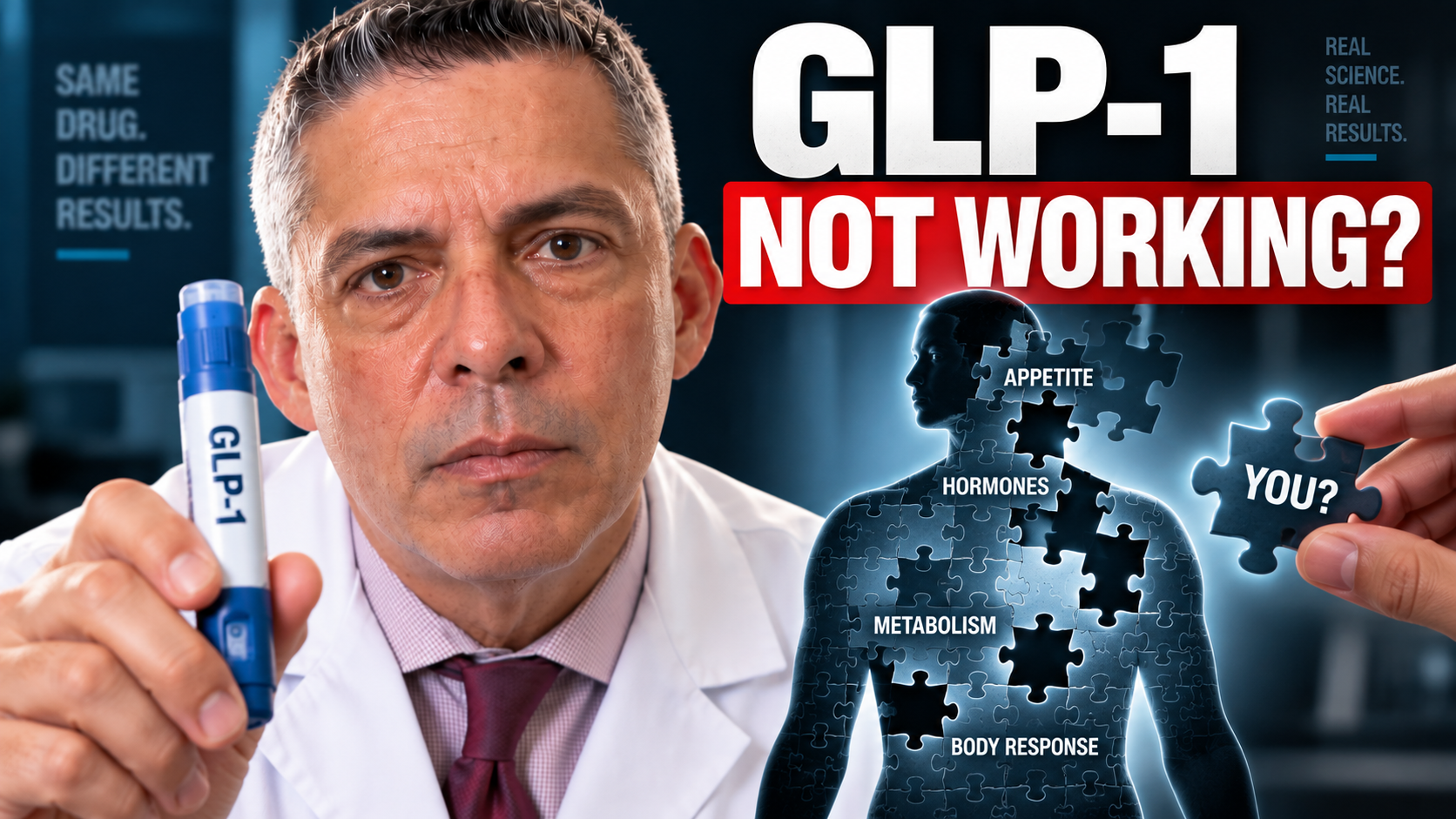
People respond differently. The result may depend on the medication and dose, how long it has been used, side effects, access and consistency, other health conditions, and the measure of success. A plateau or a smaller-than-expected change does not automatically mean treatment has failed.
If results fall short, discuss the situation with your clinician before stopping. They can review your goals, treatment history, dose, side effects, and other options—including whether a different medication or another form of obesity treatment may be appropriate.
Read more: Why Your GLP-1 Isn’t Working for Weight Loss (and What to Do Next)
What happens when you stop taking a GLP-1 medication?
For many people, appetite and weight increase after stopping treatment, and some health improvements may lessen. This is one reason obesity care often involves long-term planning. The decision to continue, adjust, or stop medication should account for benefits, side effects, cost, access, and personal goals.
New medications and treatments on the horizon
Researchers are studying oral medications, combinations that act on multiple hormone pathways, less frequent dosing, and approaches intended to preserve muscle. Some options are available; others remain investigational. Trial results and regulatory decisions can change what is available, so confirm current options with a qualified clinician.
Read more: The Future of GLP-1 Medications: Pills, Triple Agonists, and What’s Coming Next
GLP-1 medication and bariatric surgery
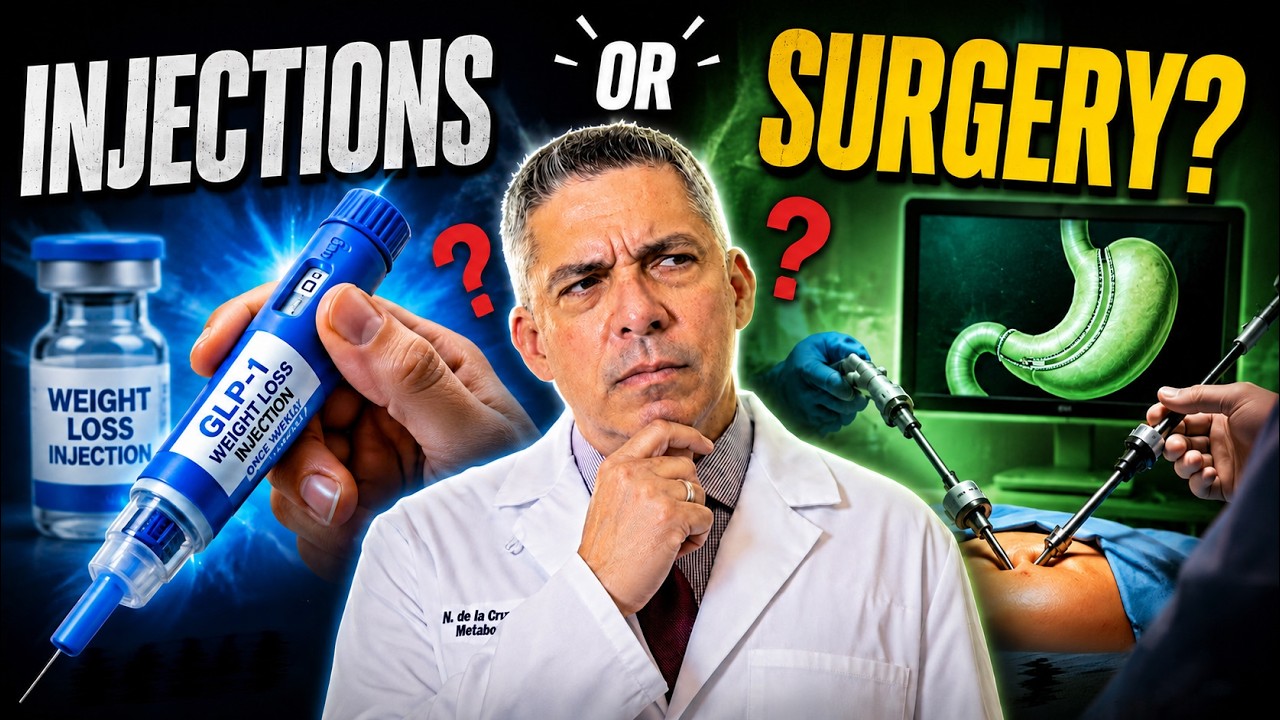
Medication and bariatric surgery are not necessarily competing choices. They have different benefits, risks, and commitments, and some people may use them at different stages of treatment. Surgery can produce substantial and durable weight loss, while medication may be appropriate as a standalone treatment or as part of care before or after surgery.
There is no single approach that fits everyone. A shared decision with a bariatric or obesity-medicine specialist can help weigh your health, treatment goals, preferences, and long-term needs.
Explore the comparison:
GLP-1 Medications vs. Bariatric Surgery: How the Two Most Effective Obesity Treatments Compare
More in the GLP-1 series
Use these articles to explore each topic in more detail:
- GLP-1 Medications Explained: Wegovy, Zepbound, Saxenda, and More
- Why Your GLP-1 Isn’t Working for Weight Loss (and What to Do Next)
- Why GLP-1s Stop Working
- Why You’re Not Losing Weight on GLP-1s Anymore: The 12 Most Common Reasons
- Why You’re Not Losing Muscle on GLP-1s — And How to Protect Lean Mass
- Why GLP-1s Are Not “Cheating” — They’re Real Medical Treatment
The bottom line
GLP-1 medications have changed obesity and diabetes care, and research continues to explore their effects across the body. They can offer meaningful benefits for some people, but they also have risks, limitations, and ongoing treatment considerations. Some uses are well established; others remain under investigation.
The right question is not whether these medications are universally good or bad. It is whether a particular treatment fits a particular person’s health needs and goals. A knowledgeable clinician can help you compare medication, surgery, and other supports—and make a plan that can adapt over time.
If an injectable medication is not the right fit for you, Phentermine, Qsymia, Contrave, Orlistat: Understanding Oral Weight Loss Medications explains how the older pill-based options work.
Further Information
For additional context and a deeper professional perspective, you can read the companion LinkedIn article linked below.
Frequently asked questions
1. What are GLP-1 medications?
GLP-1 medications act on hormone pathways involved in appetite, digestion, and blood sugar. Some newer medications also act on additional hormone pathways.
2. Are GLP-1 medications only for weight loss?
No. Depending on the medication and a person’s health, they may be prescribed for diabetes, obesity, or certain related health conditions. Approved uses vary by drug.
3. Can GLP-1 medications protect the heart or kidneys?
Some medications have shown heart or kidney benefits in specific groups of patients. The benefits and approved uses depend on the drug and the person’s medical history.
4. Do GLP-1 medications have side effects?
Yes. Digestive symptoms such as nausea, diarrhea, vomiting, and constipation are common, especially when starting treatment or increasing the dose. Other risks and precautions vary. Discuss symptoms and concerns with your clinician.
5. What happens if I stop taking a GLP-1 medication?
Appetite and weight may increase after stopping, and some health improvements may lessen. Talk with your clinician before changing or stopping treatment so you can plan next steps.
6. Do GLP-1 medications cause muscle loss?
Some muscle loss can occur during weight loss with any approach. Resistance training, adequate nutrition, and follow-up with your care team can help support muscle and physical function.
7. Are GLP-1 medications a treatment for dementia or Parkinson’s disease?
No. Researchers are studying possible effects in these conditions, but GLP-1 medications are not established treatments for dementia or Parkinson’s disease.
8. Should I choose GLP-1 medication or bariatric surgery?
There is no single right choice for everyone. Medication and surgery have different benefits, risks, and long-term considerations. A clinician can help you compare them based on your health and goals.
People also ask
Can GLP-1 medications help with heart failure?
Some studies have found benefits for people with specific types of heart failure, including improved symptoms or fewer worsening events. Whether a medication is appropriate depends on the person’s diagnosis and medical history.
Can GLP-1 medications help with fatty liver disease?
Some GLP-1–based treatments have shown benefits for certain forms of metabolic liver disease. Approved treatments and eligibility vary, so discuss your diagnosis and options with your clinician.
Are GLP-1 medications being studied for addiction?
Yes. Researchers are studying whether these medications may affect cravings and substance use, including alcohol use. They are not established treatments for addiction.
Do GLP-1 medications increase cancer risk?
The evidence is still developing. Some trial findings are reassuring about overall cancer risk, while observational studies explore possible links with specific cancers. The thyroid warning applies to people with a personal or family history of medullary thyroid cancer or MEN2.
Can GLP-1 medications be taken as pills?
Some oral options are available, while others are still being studied. Formulations and approved uses vary, so check with your clinician about current options.
Can you take GLP-1 medication after bariatric surgery?
In some cases, clinicians prescribe medication after surgery, including for weight regain or additional treatment needs. The decision and timing should be individualized with your bariatric care team.
GLP-1 weight loss by the numbers
Average weight loss in clinical trials varied by medication and dose. These figures are total weight change from starting weight over the trial period; they are not guarantees of an individual result.
Average weight loss in the main clinical trials:
- Liraglutide (Saxenda), 3.0 mg daily: 8.0% over 56 weeks
- Semaglutide injection (Wegovy), 2.4 mg weekly: 14.9% over 68 weeks
- Semaglutide pill, 25 mg daily: 13.6% over 64 weeks
- Tirzepatide (Zepbound), 5 mg weekly: 15.0% over 72 weeks
- Tirzepatide (Zepbound), 10 mg weekly: 19.5% over 72 weeks
- Tirzepatide (Zepbound), 15 mg weekly: 20.9% over 72 weeks
- Orforglipron, 36 mg daily: 11.2% over 72 weeks
- Retatrutide (investigational), 12 mg weekly: 24.2% over 48 weeks
Liraglutide’s average comes from the SCALE trial; injectable semaglutide from STEP 1; oral semaglutide from OASIS 4; tirzepatide from SURMOUNT-1; orforglipron from ATTAIN-1; and retatrutide from a phase 2 trial.
† Retatrutide is investigational. It is a triple-hormone agonist, not an approved GLP-1 medication. The results are from a phase 2 trial.
How to read the table: These results came from separate trials with different participants, study designs, and durations, so they are not all direct comparisons. In a head-to-head trial, tirzepatide produced greater average weight loss than injectable semaglutide over 72 weeks. People with type 2 diabetes may see different average results than participants in obesity trials without diabetes.
“Average weight loss” means the average change across trial participants. Individual results vary with the medication and dose, treatment duration, health conditions, side effects, and other factors. Sources: STEP 1, SURMOUNT-1, SURMOUNT-5.
Weight loss varies from person to person because bodies respond differently to treatment. Appetite, metabolism, muscle mass, hormones, health conditions, and genetics can all influence how much weight someone loses and how quickly. Trial averages show what happened across a group—they can’t predict an individual’s result. Your clinician can help interpret your progress and adjust your treatment plan around your health and goals.
Medical Topics Covered


Dr. de la Cruz‑Muñoz specializes in advanced minimally invasive and robotic surgery, metabolic disease management, and comprehensive long‑term patient care. His work integrates clinical expertise, academic leadership, and a commitment to evidence‑based medicine. He has trained surgeons across the country, contributed to national guidelines, and is widely regarded for his outcomes, innovation, and patient‑centered approach.
Patients choose Dr. de la Cruz‑Muñoz for his combination of surgical excellence, metabolic expertise, and lifelong dedication to improving patient health through compassionate, high‑quality care.

Conditions
























FAQ
For most people, yes, when prescribed and monitored by a physician. The most common side effects are nausea, vomiting, constipation and diarrhea, which usually improve as doses are increased gradually. Less common risks include gallbladder problems and pancreatitis. These drugs are not used in people with a personal or family history of medullary thyroid cancer or MEN2. On the benefit side, semaglutide reduced major cardiovascular events by 20% in people with heart disease and overweight (Lincoff et al., New England Journal of Medicine, 2023). Weight often returns when the medication is stopped.
No. Obesity is a chronic disease driven by hormones and biology — including hunger signals, satiety hormones and metabolic adaptation — not a lack of willpower. GLP-1 medications work by restoring signals that tell the brain you are full, much like blood pressure medications treat hypertension. Using an effective treatment for a medical condition is not cheating. These medications still work best alongside good nutrition, adequate protein and physical activity, and they are one of several tools, along with bariatric surgery, for long-term weight management.
They can. In trials of semaglutide, lean mass accounted for roughly a third or more of total weight lost, a proportion similar to other forms of rapid weight loss (Wilding et al., New England Journal of Medicine, 2021). Not all of that "lean mass" is muscle, and losing some is expected as the body gets smaller. To protect muscle, eat adequate protein at every meal, strength train at least two to three times a week, avoid very-low-calorie eating, and stay hydrated. Your care team can track body composition over time.
GLP-1 medications mimic a natural gut hormone released after eating. They act on the brain to reduce hunger and increase fullness, slow stomach emptying so meals last longer, quiet "food noise," and improve insulin release and blood sugar. Tirzepatide also acts on a second hormone, GIP. In clinical trials, these medications produced average weight loss of about 15–20% (Wilding et al., New England Journal of Medicine, 2021; Jastreboff et al., New England Journal of Medicine, 2022).
It depends on the specific drug and your individual biology. On average, liraglutide produces the least weight loss, semaglutide considerably more, and tirzepatide the most. These are averages with a wide range, and real-world results tend to run lower than trial numbers. Judge success by health improvements such as better blood sugar, blood pressure, energy, and mobility, not by a goal weight from an earlier stage of life.
They are different tools for different jobs, not competitors. On average, surgery delivers more weight loss than medication and holds it longer, and gastric bypass and the most powerful operations generally produce more than a sleeve. For people with a very large amount of weight to lose or a BMI in the high forties and fifties, surgery is often the more realistic primary tool. For others, medication is the right choice, and sometimes the two are combined.
Because obesity is a chronic condition your body actively defends, much like high blood pressure or diabetes. These drugs work by continuously signaling reduced appetite. When you stop, that signal stops, appetite returns, and weight tends to come back. Research shows people regain roughly two-thirds of lost weight within about a year of stopping. This is the predictable result of stopping treatment for a chronic disease, not a personal failure. For most people, these are long-term treatments rather than a short course.
Most people reach a plateau on GLP-1 medications after several months, as the body adapts and appetite partly returns. Other common reasons include a dose that is too low, missed doses, more calorie-dense or processed foods, low protein, too little strength training, poor sleep, stress and medications that promote weight gain. Some people simply respond less. Your prescriber can adjust the dose, switch medications or discuss bariatric surgery.
People Also Ask
Obesity is recognized as a chronic disease by major medical organizations, including the American Medical Association. It is influenced by genetics, hormones, brain signaling, environment, sleep, stress and medications — not simply willpower. Like other chronic diseases, it often requires long-term treatment, which may include nutrition, activity, behavioral support, medications and surgery. Lifestyle matters, but biology largely determines how the body responds.
The body has powerful systems that defend its weight. When you lose weight, hunger hormones rise, fullness hormones drop, the brain becomes more focused on food and metabolism slows — a process called metabolic adaptation. Genetics, sleep, stress, medications and the modern food environment add to the challenge. These are biological forces, not character flaws, which is why medical treatment is often needed.
Genetics play a major role. Studies of twins and adopted children suggest that roughly 40–70% of the variation in body weight is inherited, influencing appetite, fullness, metabolism and where fat is stored. Many genes each contribute a small effect, and a few rare single-gene forms cause severe early obesity. Genes interact with environment, sleep, stress and medications, so a family history raises risk but does not determine destiny.
GLP-1 medications mimic a natural gut hormone released after eating. They act on the brain to reduce hunger and increase fullness, slow stomach emptying so meals last longer, quiet "food noise," and improve insulin release and blood sugar. Tirzepatide also acts on a second hormone, GIP. In clinical trials, these medications produced average weight loss of about 15–20% (Wilding et al., New England Journal of Medicine, 2021; Jastreboff et al., New England Journal of Medicine, 2022).
Yes. Obesity is associated with more than 200 health conditions, including type 2 diabetes, high blood pressure, high cholesterol, heart disease, stroke, sleep apnea, fatty liver disease, reflux, osteoarthritis, infertility and PCOS, depression and at least 13 types of cancer. Losing weight — through medical treatment or bariatric surgery — improves or resolves many of these conditions.
Dieting alone usually cannot overcome the body's biological defenses against weight loss. As weight falls, hunger hormones rise, fullness hormones fall and metabolism slows — changes that can last for years. Most people regain the majority of diet-related weight loss within several years. That is not a failure of willpower, and it is why treatments that address appetite biology, such as GLP-1 medications and bariatric surgery, are more effective for many people with obesity.
Consider medical evaluation when excess weight affects your health, mobility or quality of life, or when you have related conditions such as prediabetes, diabetes, high blood pressure, sleep apnea, fatty liver or joint pain. Guidelines support medications for adults with a BMI of 30 or higher, or 27 or higher with a weight-related condition, and surgery for a BMI of 35 or higher, or 30 or higher with metabolic disease. Early treatment can help prevent complications.
Yes. Bariatric surgery treats the biological drivers of obesity, changing hunger and fullness hormones, insulin sensitivity and the weight the body defends. It is the most effective and durable treatment for severe obesity, producing large, sustained weight loss and improving or resolving diabetes, high blood pressure, sleep apnea and fatty liver. Long-term studies show it also reduces the risk of heart disease, cancer and early death.