Back Pain

Videos
Overview
Low back pain is one of the most common causes of disability worldwide. Excess body weight increases the load on the spine and its discs, alters posture and is associated with inflammation, and a meta-analysis found that overweight and obesity increase the risk of low back pain and of seeking care for it (Shiri et al., American Journal of Epidemiology, 2010). Back pain also discourages activity, which can lead to further weight gain.
Weight loss, core strengthening and regular low-impact exercise reduce back pain for many people. After bariatric surgery, patients frequently report improvement in back pain and physical function (King et al., LABS-2, JAMA, 2016).
How Excess Weight Affects the Spine
- Increased disc pressure: more weight compresses the discs between vertebrae, accelerating wear.
- Posture changes: abdominal weight pulls the pelvis forward and increases the curve of the lower back, straining muscles and joints.
- Weaker core support: inactivity weakens the abdominal and back muscles that stabilize the spine.
- Inflammation: fat tissue releases inflammatory substances that may sensitize pain pathways (Shiri et al., American Journal of Epidemiology, 2010).
Back Pain and Weight Loss Surgery
Back pain is one of the most frequently reported complaints among bariatric surgery candidates. After surgery, many patients report less back pain and better physical function as weight falls and activity increases (King et al., JAMA, 2016). Some patients who are not candidates for spine surgery because of their weight become eligible after weight loss, and spine surgery itself carries fewer complications at a lower BMI.
Causes
- Increased spinal load and disc degeneration
- Weak core muscles
- Altered posture from abdominal weight
- Inflammation
- Arthritis of the spinal joints
- Muscle strain
Risk Factors
- Obesity (Shiri et al., American Journal of Epidemiology, 2010)
- Sedentary lifestyle
- Heavy lifting
- Smoking
- Older age
- Depression and stress
Who It Affects
Back pain affects most adults at some point and is especially common and persistent among people with obesity.
Complications
- Chronic pain
- Reduced activity and weight gain
- Sciatica from disc problems
- Missed work and reduced quality of life
Symptoms
- Aching or stiffness in the lower back
- Pain radiating into the buttocks or legs
- Pain with standing or walking
- Difficulty bending or lifting
Diagnosis
- History and examination
- Imaging only when red flags or persistent symptoms are present
Differential Diagnosis
- Herniated disc
- Spinal stenosis
- Kidney stones or infection
- Hip arthritis
- Pancreatitis or gallbladder disease causing referred pain
Lifestyle Modifications
- Stay active; avoid prolonged bed rest.
- Strengthen the core and hips.
- Lose weight.
- Use proper lifting technique.
- Stop smoking.
Treatment Options
- Physical therapy and exercise programs
- Heat, massage and short-term medications
- Spine specialist evaluation for persistent or radiating pain
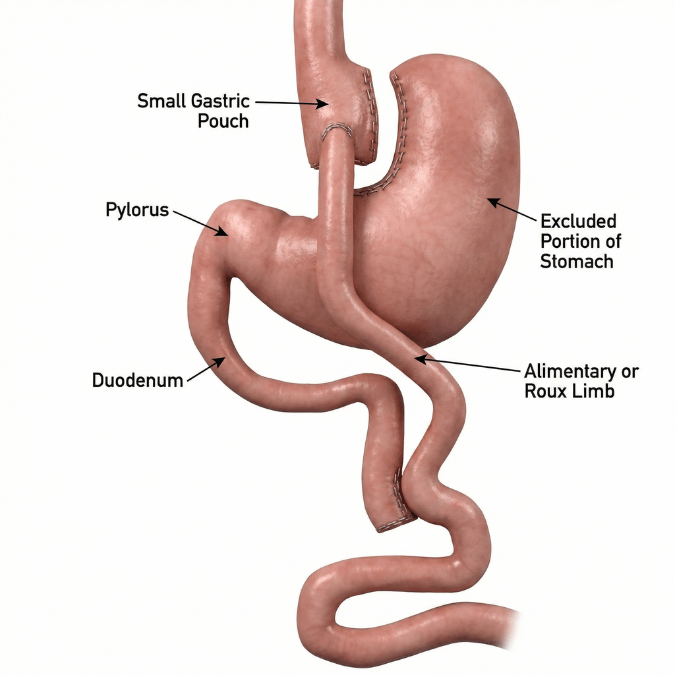
- Medical weight loss and bariatric surgery for obesity-related back pain; see medical weight loss and bariatric surgery
Exercises That Help
- Walking in short, frequent bouts
- Water exercise, which reduces load on the spine
- Core strengthening such as gentle bridges and bird-dogs, guided by a therapist
- Hip and hamstring stretching
When to See a Doctor
See a doctor for back pain lasting more than a few weeks or limiting your activity.
When to Seek Treatment
Seek emergency care for back pain with leg weakness, numbness in the groin, loss of bladder or bowel control, fever, or after significant trauma.
Long-Term Outlook
Maintaining a healthy weight and core strength protects the spine over the long term.
Related Reading and Videos
Read more in our articles The Real Results After Bariatric Surgery: A Complete Patient Guide and GLP-1 Medications Explained: Benefits, Risks, and How to Choose a Treatment. Watch Am I a Candidate for Weight-Loss Surgery? What Qualifies You and What Nobody Tells You About Bariatric Surgery on our video library. Related conditions include Prediabetes, Mobility Limitations, Joint Pain & Arthritis and Sleep Apnea. Treatments that may be involved include Duodenal Switch (DS), Gastric Bypass (RYGB) and Magnetic Duodeno-Ileal Bypass with Sleeve (MagDI + Sleeve).
Prognosis
Most back pain improves with activity and time, and weight loss reduces recurrence for many people.
Why Choose Dr. de la Cruz-Muñoz
Dr. de la Cruz-Muñoz's practice helps patients whose back pain is worsened by excess weight through comprehensive medical and surgical weight-loss care.
Dr. de la Cruz-Muñoz has been performing bariatric surgery for over 25 years and has completed more than 9,000 bariatric operations — a volume few surgeons reach.
Featured Procedures





FAQ
The 2022 ASMBS/IFSO guidelines recommend metabolic and bariatric surgery for people with a BMI of 35 or higher, regardless of whether they have obesity-related conditions. They also recommend considering surgery for people with a BMI of 30–34.9 who have metabolic disease, particularly when nonsurgical treatment has not led to adequate improvement. Individual evaluation is essential, and guidelines do not guarantee insurance coverage.
Some types can, but the right exercise usually helps. During a flare, rest the painful joint briefly, then return to gentle, low-impact activity such as walking, cycling, swimming or water aerobics, which maintain mobility and strengthen the muscles that support the joint. High-impact exercise or sudden increases in intensity may aggravate pain. Mild soreness after exercise is normal; sharp or lasting pain is a signal to modify the activity. Weight loss also reduces joint load — each pound lost takes about four pounds of pressure off the knees.
Early pancreatic cancer often causes few symptoms. Warning signs include painless jaundice (yellowing of the skin or eyes, dark urine, pale stools), upper abdominal pain that may spread to the back, unexplained weight loss, loss of appetite, new-onset diabetes in an adult without the usual risk factors, greasy stools and fatigue. These symptoms have many causes, but the combination — especially jaundice or new diabetes with weight loss — warrants prompt evaluation with imaging.
The hallmark is sudden, severe pain in the upper abdomen that often spreads to the back and worsens after eating. Nausea, vomiting, fever, a rapid pulse and a tender, swollen abdomen are common. Severe cases can cause dehydration, low blood pressure and organ problems and need hospital care. The most common causes are gallstones and heavy alcohol use. When gallstones are responsible, removing the gallbladder during the same hospital stay helps prevent another attack.
Yes. Gallbladder pain often radiates from the upper right abdomen to the right upper back or right shoulder blade, because nerves from the gallbladder share pathways with those areas. Many patients are first evaluated for back or shoulder problems before the gallbladder is identified. Pain that comes after meals, lasts 30 minutes to several hours, and is centered under the right ribs or in the upper abdomen suggests a gallbladder cause, and an ultrasound is usually the first test.