Mobility Limitations

Videos
Overview
Mobility limitations are difficulties with walking, standing, climbing stairs, getting up from a chair or performing everyday tasks. In people with obesity, they result from a combination of joint pain, reduced muscle strength relative to body weight, shortness of breath, back pain and fatigue. Mobility limitations affect independence, work, social life and mental health, and they make physical activity harder, which can contribute to further weight gain.
Weight loss can substantially restore mobility. In the LABS-2 study, patients who underwent bariatric surgery showed large improvements in walking capacity and physical function, and many who had needed a walking aid before surgery no longer did afterward (King et al., JAMA, 2016).
The Mobility-Weight Cycle
When moving becomes painful or exhausting, people move less. Less movement leads to muscle loss, stiffer joints and weight gain, which make moving even harder. Breaking this cycle usually requires both weight loss and a gradual, supported return to activity, starting at whatever level a person can manage safely.
Causes
- Joint pain and arthritis; see joint pain
- Back pain
- Low muscle strength relative to body weight
- Shortness of breath from deconditioning, sleep apnea or heart disease
- Leg swelling and venous disease
- Fatigue
Risk Factors
- Severe obesity
- Older age
- Arthritis
- Diabetes and neuropathy
- Heart and lung disease
- Sedentary lifestyle
Who It Affects
Mobility limitations are common among people with severe obesity, particularly older adults, and are a frequent reason patients pursue bariatric surgery.
Improvement in mobility is one of the most meaningful changes patients describe after weight loss: walking through a store without stopping, climbing stairs, playing with children or grandchildren, and traveling comfortably (King et al., JAMA, 2016).
Complications
- Loss of independence
- Falls and injuries
- Muscle loss and further deconditioning
- Blood clots from inactivity
- Depression and social isolation
Symptoms
- Difficulty walking a block or climbing a flight of stairs
- Needing a cane, walker or wheelchair
- Trouble rising from a chair or bed
- Shortness of breath with minimal activity
Diagnosis
- Functional assessment such as walk tests
- Evaluation of joints, heart and lungs
- Body composition testing to assess muscle mass
Differential Diagnosis
- Neurological disease
- Heart failure
- Peripheral artery disease
- Severe arthritis requiring orthopedic treatment
Lifestyle Modifications
- Start where you are: chair exercises, short walks and water exercise.
- Build strength gradually; see the 7-level exercise program.
- Increase activity in small steps each week.
- Meet protein goals to support muscle.
A Simple Starting Plan
- Week 1: five minutes of walking or chair marching, two to three times a day
- Weeks 2 to 4: add sit-to-stand practice from a firm chair and light resistance bands
- Month 2 and beyond: gradually extend walking time, add water exercise or a stationary bike
Progress at your own pace and stop for chest pain, dizziness or severe shortness of breath.
Treatment Options
- Physical therapy and supervised exercise
- Treatment of joint pain, sleep apnea and heart or lung conditions
- Medical weight loss; see medical weight loss
- Bariatric surgery, which improves walking capacity and physical function for most patients (King et al., JAMA, 2016); see bariatric surgery
Preparing for Surgery When Mobility Is Limited
Patients with significant mobility limitations can still be excellent candidates for bariatric surgery. Preoperative physical therapy, breathing exercises and careful planning for blood clot prevention make surgery safer. After surgery, walking begins the same day, and activity increases step by step as weight comes off.
When to See a Doctor
See a doctor if walking, stairs or daily tasks are becoming difficult, or if you need a walking aid.
When to Seek Treatment
Seek urgent care for sudden leg swelling or pain, chest pain or sudden shortness of breath.
Long-Term Outlook
Staying active and maintaining muscle after weight loss preserves independence for years.
Related Reading and Videos
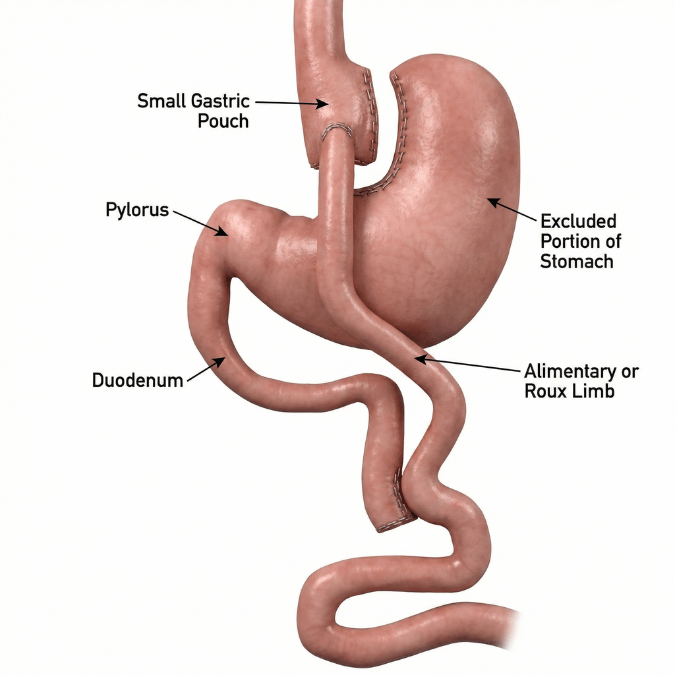
Read more in our articles Exercise After Bariatric Surgery: Your Complete 7-Level Guide From Couch to Confident and The Real Results After Bariatric Surgery: A Complete Patient Guide. Watch What Nobody Tells You About Bariatric Surgery and The Hidden Dangers of Obesity — And Why Treatment Changes Everything on our video library. Related conditions include Osteoarthritis, Obesity (Adiposity-Based Chronic Disease) and Back Pain. Treatments that may be involved include Duodenal Switch (DS), Gastric Bypass (RYGB) and Magnetic Duodeno-Ileal Bypass with Sleeve (MagDI + Sleeve).
Prognosis
Mobility often improves dramatically with weight loss and progressive activity (King et al., JAMA, 2016).
Why Choose Dr. de la Cruz-Muñoz
Dr. de la Cruz-Muñoz's program helps patients regain mobility through medical and surgical weight loss, with exercise guidance that starts at each patient's current level.
Dr. de la Cruz-Muñoz has been performing bariatric surgery for over 25 years and has completed more than 9,000 bariatric operations — a volume few surgeons reach.
Featured Procedures





FAQ
Some types can, but the right exercise usually helps. During a flare, rest the painful joint briefly, then return to gentle, low-impact activity such as walking, cycling, swimming or water aerobics, which maintain mobility and strengthen the muscles that support the joint. High-impact exercise or sudden increases in intensity may aggravate pain. Mild soreness after exercise is normal; sharp or lasting pain is a signal to modify the activity. Weight loss also reduces joint load — each pound lost takes about four pounds of pressure off the knees.
No. Joint pain can come from injuries, tendinitis, bursitis, gout, infections, autoimmune conditions, nerve problems and pain referred from the spine. Excess weight increases stress on the knees, hips and back and can worsen many of these problems. A thorough exam, and sometimes imaging and blood tests, are needed to find the cause. Sudden joint swelling with fever, redness or warmth needs urgent evaluation for infection.
Joint pain often improves substantially as weight loss reduces pressure on the knees, hips, and back, although existing cartilage damage may remain. Reflux depends on the procedure: gastric bypass generally improves GERD, while sleeve gastrectomy may worsen or cause new reflux. Report persistent or worsening reflux to your care team, and avoid NSAIDs such as ibuprofen and naproxen unless specifically approved by your surgeon.
Choose the level that best matches your current fitness and mobility. If you are mostly inactive, begin with Level 1. If you can walk for 10–15 minutes comfortably, Level 2 may be appropriate. Start conservatively and advance only when you can complete the exercises with good form and without excessive soreness, pain, or unusual shortness of breath.