Effectiveness of Bariatric Surgery in Reducing Weight and Body Mass Index Among Hispanic Adolescents
Nestor de la Cruz-Muñoz, Gabriela Lopez-Mitnik, Kristopher L. Arheart, Tracie L. Miller, Steven E. Lipshultz, Sarah E. Messiah
- Among 71 adolescents, 80% of them Hispanic, weight and BMI fell significantly one year after bariatric surgery.
- Weight loss was similar in Hispanic and non-Hispanic teens.
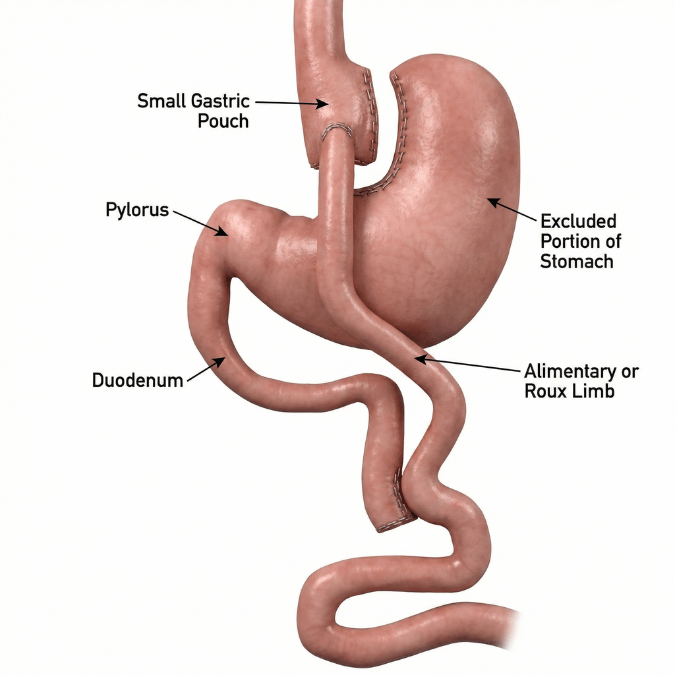
- Gastric bypass produced better weight loss than gastric banding.
- No perioperative complications occurred.
- Three patients who stopped their supplements developed iron deficiency anemia, underscoring the importance of daily vitamins and iron.
This study examined weight outcomes in 71 adolescents aged 16 to 19 (80% Hispanic, mostly of Central American, South American and Caribbean origin; 77% female) who had gastric bypass or adjustable gastric banding with Dr. de la Cruz-Muñoz’s practice between 2001 and 2010, with 91% follow-up. One year after surgery, weight, BMI and BMI z-scores were all significantly lower. Gastric bypass produced significantly better weight loss than banding, weight loss was similar among Hispanic and non-Hispanic teens, and no perioperative complications occurred. Three patients who stopped taking their supplements developed iron deficiency anemia.
Why This Study Was Needed
Hispanic adolescents are among the most affected by severe obesity in the United States, yet almost no data existed on how they do after bariatric surgery. Most studies were from non-Hispanic White or Mexican American populations, not the Central American, South American and Caribbean families who make up much of Miami.
How the Study Was Done
The team reviewed 71 adolescents aged 16 to 19 who had gastric bypass or an adjustable gastric band with Dr. de la Cruz-Muñoz’s practice from 2001 to 2010. Eighty percent were Hispanic and 77% were female, and 91% had complete one-year follow-up.
What the Study Found
- Weight, BMI and BMI z-scores all fell significantly one year after surgery.
- Gastric bypass produced significantly better weight loss than banding.
- Weight loss was similar in Hispanic and non-Hispanic teens.
- No perioperative complications occurred.
- Three patients who stopped taking their supplements developed iron deficiency anemia.
What This Means for Teens and Families
Surgery is safe and effective for Hispanic teenagers with severe adolescent obesity. Taking vitamins and iron every day is essential, as the cases of anemia in this study show; see our Vitamin and Supplement Guide. Start with Am I a Candidate?.
Clinical Pearls
- Among the first data on bariatric surgery in non-Mexican American Hispanic adolescents.
- Gastric bypass outperformed banding in teens.
- Supplement adherence is critical; iron deficiency followed nonadherence.
Strengths and Limitations
Follow-up was unusually complete for an adolescent study. The sample was small and from one practice, with one year of follow-up.
Expert Commentary
These were my patients, mostly Hispanic teenagers from families across Latin America and the Caribbean. This study showed they did as well as anyone, and it taught us early how important it is to keep young patients on their vitamins.
— Dr. Nestor de la Cruz-Muñoz
Related Research
de la Cruz-Muñoz N, Lopez-Mitnik G, Arheart KL, Miller TL, Lipshultz SE, Messiah SE. Effectiveness of Bariatric Surgery in Reducing Weight and Body Mass Index Among Hispanic Adolescents. Obesity Surgery. 2013;23(2):150-156. doi:10.1007/s11695-012-0730-0. PMID: 22918552.