Short- and Long-Term Safety and Efficacy of Bariatric Surgery for Severely Obese Adolescents: A Narrative Review
Lauren A. Sarno, Steven E. Lipshultz, Carroll Harmon, Nestor F. de la Cruz-Muñoz, Prasad L. Balakrishnan
- This comprehensive review of the medical literature found that bariatric surgery is a safe and effective treatment for teenagers with severe obesity. Complication rates in adolescents are comparable to those seen in adults, and the weight loss achieved is both significant and long-lasting.
- Teenagers who undergo bariatric surgery may actually benefit more than adults in certain areas — particularly in reversing type 2 diabetes and improving heart disease risk factors — likely because they have had these conditions for a shorter period of time.
- Beyond weight loss, the review found that bariatric surgery in adolescents leads to improvement or resolution of many obesity-related health problems, including type 2 diabetes, high blood pressure, high cholesterol, sleep apnea, and fatty liver disease.
- The review emphasizes that the best outcomes for teens occur when surgery is performed at experienced centers with a full team of specialists working together to support the patient before and after surgery.
- Dr. de la Cruz-Muñoz co-authored this review in Pediatric Research, one of the leading pediatric medical journals in the world, alongside experts in pediatric cardiology and pediatric surgery, reflecting his recognized expertise in adolescent weight loss surgery.
This narrative review published in Pediatric Research provides a comprehensive synthesis of the short- and long-term safety and efficacy data for bariatric surgery in severely obese adolescents. The review examines the existing evidence base across multiple domains: perioperative safety and complication rates, short-term weight loss outcomes, long-term weight loss durability, resolution of obesity-related comorbidities, nutritional considerations, psychosocial outcomes, and quality of life improvements. Key findings include that bariatric surgery in adolescents produces clinically significant and durable weight loss, with complication rates comparable to adult populations, and that adolescents may derive greater long-term metabolic benefits, particularly diabetes remission and cardiovascular risk factor improvement. The review concludes that bariatric surgery is a safe and effective treatment for severe obesity in adolescents when performed at experienced centers with appropriate multidisciplinary support.
Why This Review Was Needed
For adults, the rules for bariatric surgery have been settled for decades. For teenagers they were not. Pediatricians, parents and even surgeons disagreed about who should qualify, which operation is appropriate, and whether surgery during adolescence is safe while the body is still developing. Meanwhile, the number of young people with severe adolescent obesity continued to climb and referrals stalled. This narrative review, written by a team of pediatric cardiologists, pediatric surgeons and Dr. de la Cruz-Muñoz, pulled the evidence together in one place for physicians who care for teens.
How the Review Was Done
The authors summarized published evidence on five practical questions: eligibility criteria, the preoperative evaluation, surgical options, short- and long-term outcomes, and the barriers that keep adolescents from being referred. They drew heavily on the two landmark prospective studies of adolescent surgery, the US Teen-LABS study and the Swedish AMOS study.
What the Review Covers
Who qualifies
Teens with severe obesity and serious obesity-related disease, such as type 2 diabetes, sleep apnea or high blood pressure, are appropriate candidates when they and their families are evaluated and prepared by an experienced multidisciplinary team. Physical maturity and emotional readiness matter more than a fixed birthday.
Which operation
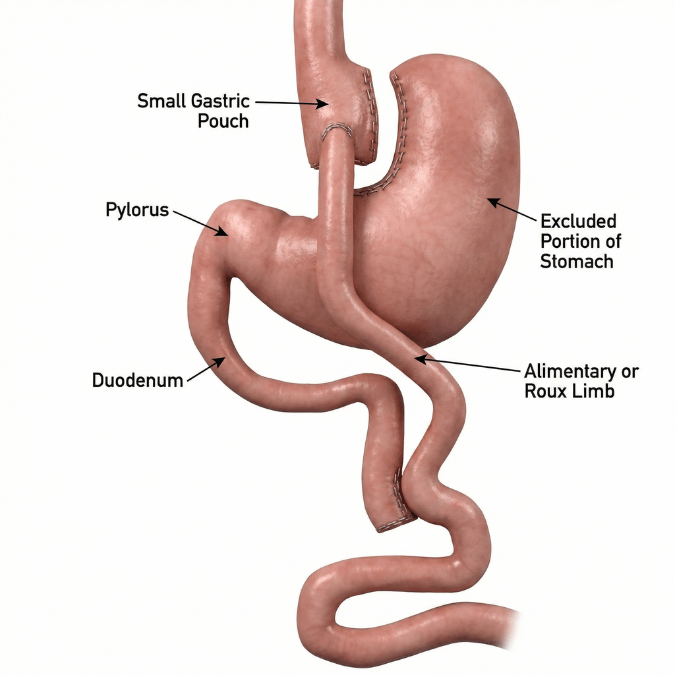
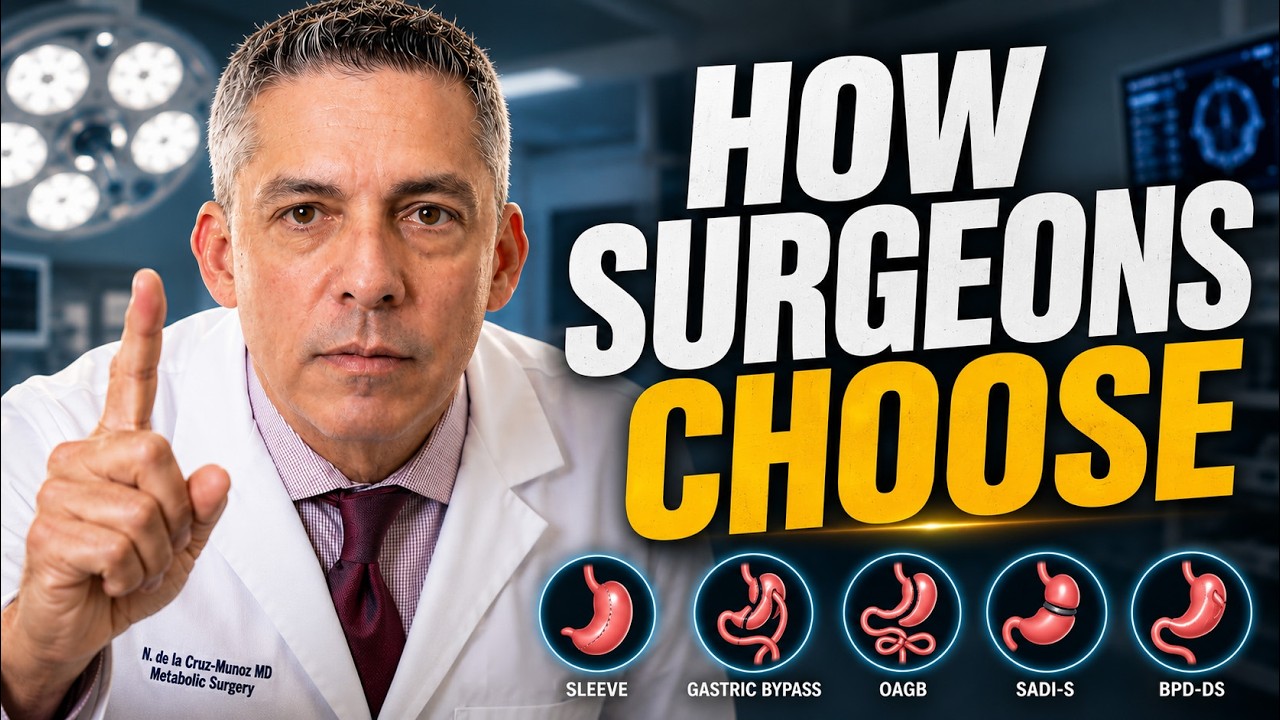
Sleeve gastrectomy and Roux-en-Y gastric bypass are the main operations used in adolescents today; the adjustable gastric band is now rarely used in teens.
Benefits
Early surgery lowers BMI, but the review stresses the more important point: it improves the cardiovascular and metabolic consequences of severe obesity, including diabetes, blood pressure, cholesterol and sleep apnea, at an age when reversing them pays off for decades.
Risks
Short-term complication rates in teens are low and comparable to adults. The long-term concerns are nutritional deficiencies, the need for further operations in a minority of patients, and psychosocial challenges, which is why vitamin and supplement protocol, mental preparation and lifelong follow-up are built into adolescent programs.
What This Means for Teens and Families
Surgery for a teenager is a serious decision, but it is not an experimental one. The evidence summarized here supports referring adolescents with severe obesity to an experienced program instead of waiting until adulthood, a view later formalized in the 2019 American Academy of Pediatrics policy statement. Families can begin with our Am I a Candidate? guide.
Clinical Pearls
- Two prospective cohorts, Teen-LABS and AMOS, form the backbone of the adolescent evidence.
- The cardiometabolic benefits of surgery, not just weight loss, are the main reason to operate earlier.
- A multidisciplinary team (surgery, pediatrics, nutrition, psychology) is essential for adolescent patients.
- Referral barriers, not surgical risk, explain why so few eligible teens receive surgery.
Strengths and Limitations
As a narrative review, this paper summarizes and interprets existing studies; it does not pool data statistically, and it predates the GLP-1 era. Its value is practical: a clear, clinician-friendly synthesis from pediatric and surgical specialists. Newer data, including our 10- to 18-year follow-up of adolescent patients, have since extended the evidence to well over a decade.
Expert Commentary
This review was written for the pediatrician who sees a 15-year-old with a BMI of 50 and is not sure what to do next. Our message was simple: the evidence is there, the operation is safe in experienced hands, and the earlier we treat diabetes, sleep apnea and high blood pressure, the more of a young person’s life we protect.
— Dr. Nestor de la Cruz-Muñoz
Related Research
Sarno LA, Lipshultz SE, Harmon C, De La Cruz-Muñoz NF, Balakrishnan PL. Short- and long-term safety and efficacy of bariatric surgery for severely obese adolescents: a narrative review. Pediatric Research. 2020;87(2):202-209. doi:10.1038/s41390-019-0532-3.