Comment on: Does the Closure of Mesenteric Defects During Laparoscopic Gastric Bypass Surgery Cause Complications?
Zhamak Khorgami, Nestor de la Cruz-Muñoz

- Internal hernia through an unclosed mesenteric defect is a recognized cause of bowel obstruction after Roux-en-Y gastric bypass.
- The commentary weighs the potential downsides of closing the defects against the risk of leaving them open.
- Routine closure has been associated with fewer internal hernias in published bypass series, including Dr. de la Cruz-Muñoz’s 2011 study.
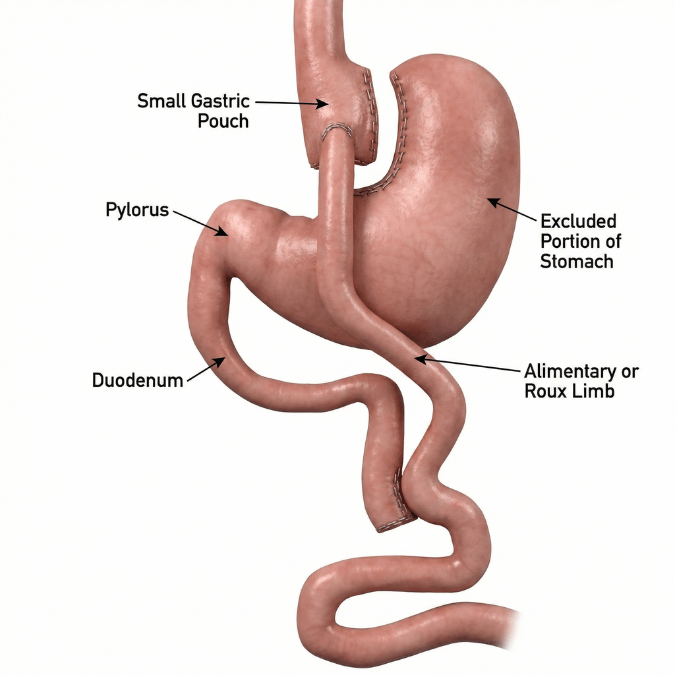
In this invited commentary in Surgery for Obesity and Related Diseases, Dr. Zhamak Khorgami and Dr. Nestor de la Cruz-Muñoz discuss a study that asked whether closing the mesenteric defects during laparoscopic Roux-en-Y gastric bypass causes complications. Mesenteric defects are the openings created when the intestine is rerouted; if they are left open, small bowel can slip through and cause an internal hernia, a leading cause of bowel obstruction after bypass. Dr. de la Cruz-Muñoz’s own 2011 study in the same journal reported fewer internal hernias after routine closure of the mesenteric defect.
The Study Being Discussed
Closing the mesenteric defects during gastric bypass prevents internal hernia, but some surgeons worried that the closure itself might cause problems. A 2015 systematic review by Kristensen and colleagues pooled 30 studies including 21,789 patients. Complications attributed to closure were uncommon: hernias through incompletely closed defects in 1.4% of patients, kinking of the small bowel in 0.2% when clips were used, and adhesions in 4.6% of a small group closed with permanent suture. The authors concluded that the risk of closure appeared low.
What the Commentary Addresses
Dr. Khorgami and Dr. de la Cruz-Muñoz were invited to comment because of Dr. de la Cruz-Muñoz’s 2011 study of 2,079 gastric bypasses, which showed that closing the jejunojejunal mesenteric defect reduced internal hernias at that site from 10% to zero. The commentary weighs the small potential downsides of closure against the serious consequences of leaving the defects open, including small bowel obstruction that can require emergency surgery.
What This Means for Patients
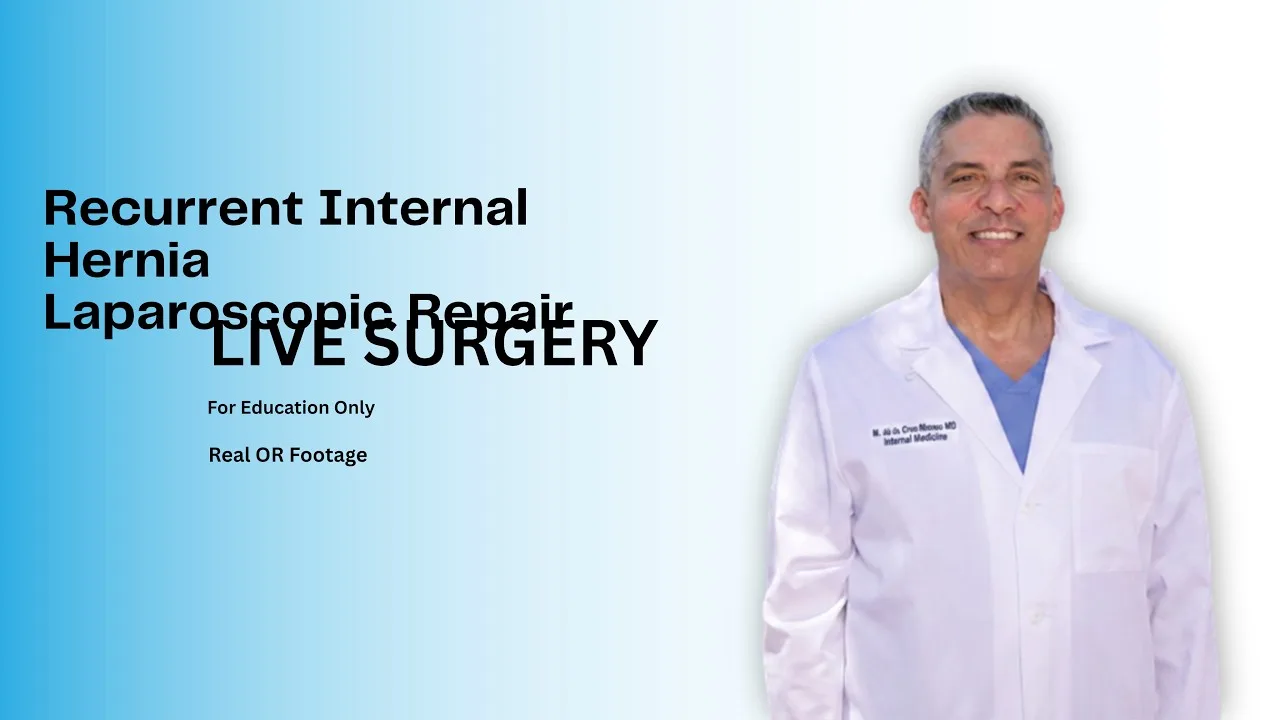
If you are having a gastric bypass, closing the mesenteric defects is now considered standard practice, a position later strengthened by a Swedish randomized trial (Lancet, 2016). If you had a bypass years ago and have recurring pain after meals, an internal hernia should be considered; read our article on chronic abdominal pain after bariatric surgery. When one is found, laparoscopic internal hernia repair is usually curative.
Expert Commentary
Every technique has trade-offs, and it is fair to ask whether closing these spaces causes harm. The evidence says the risks are small and the benefit is large. An internal hernia can be dangerous, and preventing it is part of doing a gastric bypass well.
— Dr. Nestor de la Cruz-Muñoz
Related Research
Khorgami Z, de la Cruz-Muñoz N. Comment on: Does the closure of mesenteric defects during laparoscopic gastric bypass surgery cause complications? Surg Obes Relat Dis. 2015;11(2):464-465. doi:10.1016/j.soard.2014.11.009