Immunosuppression and Clostridioides (Clostridium) Difficile Infection Risk in Metabolic and Bariatric Surgery Patients
Elisa Morales-Marroquin, Luyu Xie, Meghana Uppuluri, Jaime P. Almandoz, Nestor de la Cruz-Muñoz, Sarah E. Messiah
- C. diff is a serious bacterial infection that can cause severe diarrhea and dangerous colon inflammation. This study found patients on immunosuppressive medications face higher C. diff risk after bariatric surgery.
- More patients on immunosuppressive medications are being referred for bariatric surgery, including transplant candidates and those with autoimmune conditions.
- Published in the Journal of the American College of Surgeons, one of the most respected surgical journals in the world.
- Prevention strategies include careful antibiotic selection and close symptom monitoring in the weeks following surgery.
- This is part of a broader body of work demonstrating expertise in medically complex and immunosuppressed patients, including bridge-to-transplant and dialysis patient studies.
- For immunosuppressed patients considering bariatric surgery, this provides reassurance that risks have been specifically studied.
This study published in the Journal of the American College of Surgeons examined whether immunosuppression is an independent risk factor for Clostridioides difficile infection among patients undergoing metabolic and bariatric surgery. CDI is a potentially life-threatening healthcare-associated infection. Patients undergoing bariatric surgery may be at increased risk due to perioperative antibiotic exposure, gut microbiota alterations from surgical anatomy changes, and comorbidities compromising immune function. Dr. de la Cruz-Muñoz is a co-author.
Why This Study Was Needed
Clostridioides difficile (C. diff) is a bowel infection that causes severe diarrhea and can become life-threatening, particularly after hospitalization and antibiotics. Medications that suppress the immune system, such as those used for autoimmune disease, organ transplants and inflammatory bowel disease, are a known risk factor in other settings. A growing number of bariatric patients take these medications, yet no one had studied whether they raise the risk of C. diff after weight-loss surgery.
How the Study Was Done
The team analyzed the 2015–2018 MBSAQIP registry, which captures operations at 854 accredited bariatric programs in the United States and Canada. After exclusions, 442,258 patients who had sleeve gastrectomy or gastric bypass were included. Logistic regression compared the odds of postoperative C. diff in patients who did and did not take immunosuppressants, adjusting for age, sex, ethnicity, BMI, diabetes and type of operation.
What the Study Found
- Patients on immunosuppressants had nearly twice the odds of C. diff after surgery (adjusted odds ratio 1.96; 95% CI 1.24–3.10).
- The association held after adjustment for age, sex, ethnicity, BMI, diabetes and procedure.
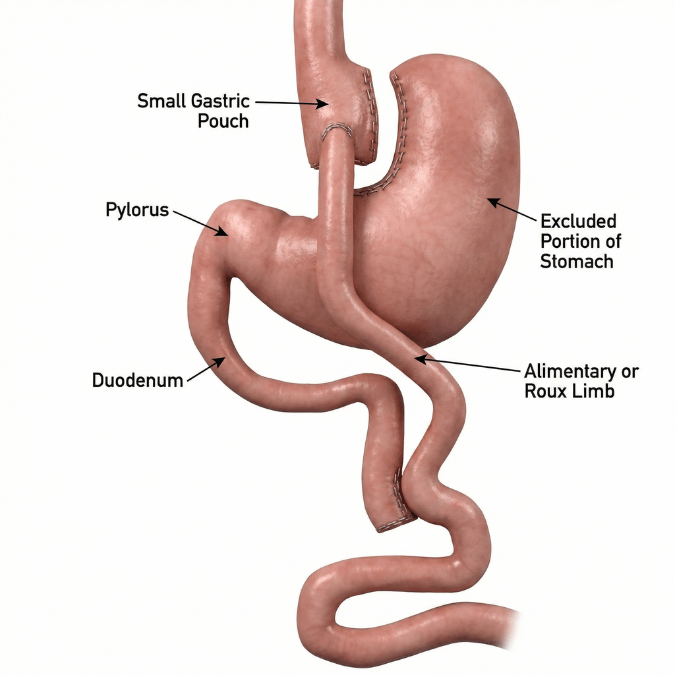
- Gastric bypass carried more than double the odds of C. diff compared with sleeve gastrectomy (odds ratio 2.18).
- C. diff remained uncommon overall, but the risk was clearly concentrated in identifiable groups.
What This Means for Patients
If you take an immunosuppressant, bariatric surgery is still possible, but your team should know about every medication and plan around it, including careful antibiotic use and close monitoring after discharge. Tell your surgeon promptly about new, frequent or watery diarrhea in the weeks after surgery; it is one of the discharge instructions and warning signs that deserves a call. Bring a full medication list to your preoperative visit (see our Pre-Operative Checklist) and review our Bariatric Surgery Medication Guide.
Clinical Pearls
- Immunosuppressant use nearly doubles the odds of C. diff after bariatric surgery.
- Gastric bypass carries about twice the C. diff risk of sleeve gastrectomy.
- This was the first study of immunosuppression and C. diff after metabolic and bariatric surgery.
- Procedure choice in immunosuppressed patients may reasonably factor in infection risk.
Strengths and Limitations
A national sample of more than 440,000 patients gives the findings strong statistical power. The registry captures only 30 days after surgery, does not specify which immunosuppressants or doses were used, and does not record antibiotic exposure in detail. A large number of records were excluded for missing data.
Expert Commentary
We operate on more patients with autoimmune disease and transplants than ever before. This study gives us concrete data for counseling them: the risk of C. diff is real and roughly doubled, and it is higher after gastric bypass than after a sleeve. That information helps us choose the operation and plan follow-up for each patient.
— Dr. Nestor de la Cruz-Muñoz
Morales-Marroquin E, Xie L, Uppuluri M, Almandoz JP, de la Cruz-Muñoz N, Messiah SE. Immunosuppression and Clostridioides (Clostridium) Difficile Infection Risk in Metabolic and Bariatric Surgery Patients. Journal of the American College of Surgeons. 2021;233(2):223-231. doi:10.1016/j.jamcollsurg.2021.04.028.