Roux-en-Y Gastric Bypass Is an Effective Bridge to Kidney Transplantation: Results from a Single Center
Ian A. Thomas, Junichiro J. Gaynor, Tiffany Joseph, Nestor de la Cruz-Muñoz, Junichiro Sageshima, Warren Kupin, Linda J. Chen, Gaetano Ciancio, George W. Burke III, Alessia D. Mattiazzi, David Roth, Giselle Guerra
- Many patients with severe obesity and kidney failure cannot receive a transplant until they lose enough weight to meet BMI requirements. This study showed gastric bypass can safely help patients qualify for transplant.
- Patients successfully lost weight, qualified for transplant listing, and went on to receive kidney transplants with successful outcomes.
- Dr. de la Cruz-Muñoz performed the bariatric procedures, collaborating with the University of Miami's kidney transplant team.
- This study is part of a broader body of work demonstrating expertise in bariatric surgery for patients with advanced kidney disease, including a companion study on peritoneal dialysis patients.
- The concept of bariatric surgery as a bridge to transplant has gained significant traction, with 2023 ASMBS/IFSO Guidelines now addressing this pathway.
- For patients told they are too heavy for a kidney transplant, this study offers hope through bariatric surgery.
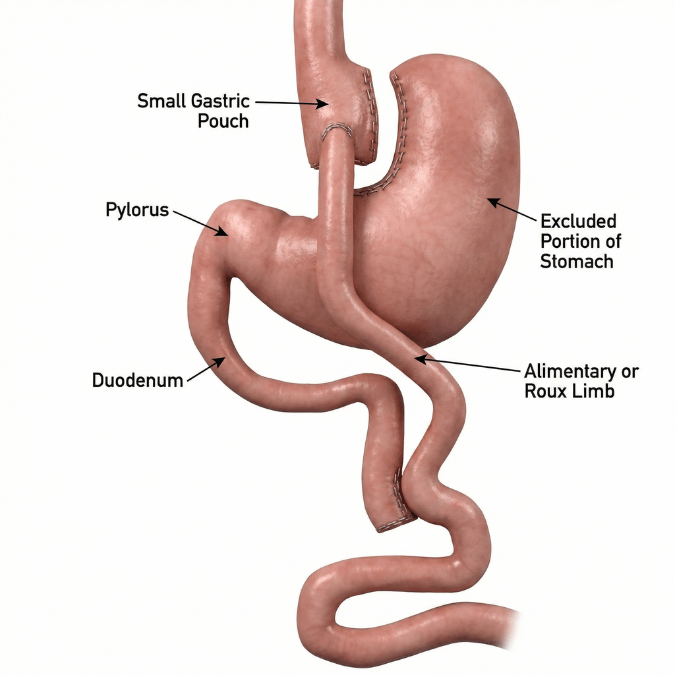
This study published in Clinical Transplantation evaluated the effectiveness of Roux-en-Y gastric bypass as a bridge to kidney transplantation in patients with obesity and end-stage renal disease who were otherwise ineligible for transplant due to elevated BMI. This single-center study analyzed outcomes in patients who underwent gastric bypass specifically to achieve the weight loss necessary to qualify for transplant listing, demonstrating effective weight loss with acceptable complication rates and successful subsequent transplantation. Dr. de la Cruz-Muñoz performed the bariatric surgical procedures and is a co-author.
Why This Study Was Needed
Obesity is common among people with end-stage kidney disease, and many transplant centers will not list a patient whose BMI is above 35 to 40 because of higher surgical and graft risks. For these patients, losing weight is the gateway to a new kidney, yet dieting while on dialysis is very difficult. Bariatric surgery offers a path, but there was little data on how transplant outcomes compare after gastric bypass.
How the Study Was Done
This single-center study from the University of Miami transplant and bariatric programs reviewed 31 patients with chronic kidney disease on dialysis who had laparoscopic Roux-en-Y gastric bypass between 2009 and 2014 to qualify for transplant. Fourteen went on to receive a kidney. They were compared with 19 historical transplant recipients with a BMI of 36 or more who did not have bypass. Most patients in both groups were Black or Hispanic, and most had long-standing diabetes.
What the Study Found
- Average BMI before bypass was 43.5, and 87% of patients (27 of 31) reached a BMI below 35, the typical threshold for transplant listing.
- 29% had better control of diabetes or high blood pressure.
- 26% had complications after bypass, mostly minor.
- After transplant, biopsy-proven acute rejection was more frequent in bypass patients (6 of 14 vs 3 of 19).
- Rejection was strongly linked to low tacrolimus levels (below 4.0 ng/mL); once this was accounted for, bypass itself was no longer a significant factor.
- Infections, graft survival and patient survival were not significantly different between groups.
What This Means for Patients
For a patient whose weight is the only barrier to a kidney transplant, gastric bypass can open that door. The study also identified an important lesson: bypass changes how anti-rejection medications are absorbed, so transplant teams must monitor drug levels closely and adjust doses. Patients considering this path should be cared for by a bariatric surgeon who works closely with their transplant center. Today, sleeve gastrectomy is often favored before transplant partly because it affects medication absorption less. Start with Am I a Candidate?.
Clinical Pearls
- 87% of dialysis patients reached a transplant-eligible BMI after gastric bypass.
- Higher rejection after bypass was explained by low tacrolimus trough levels.
- Close monitoring of immunosuppressant levels is essential after bypass.
- Graft and patient survival were similar to heavier controls without bypass.
Strengths and Limitations
This is a real-world experience from a high-volume academic transplant center serving a predominantly Black and Hispanic population. The number of patients is small, controls were historical rather than concurrent, and follow-up after transplant was limited, so the findings are hypothesis-generating.
Expert Commentary
Patients on dialysis who are told they are too heavy for a transplant are in a very difficult situation. This collaboration with our transplant colleagues showed that bariatric surgery can get the vast majority of them to a listable weight. It also taught us that after bypass, anti-rejection drug levels must be watched more closely. Weight loss surgery and transplant care have to be planned together.
— Dr. Nestor de la Cruz-Muñoz
Thomas IA, Gaynor JJ, Joseph T, De La Cruz-Muñoz N, Sageshima J, Kupin W, Chen LJ, Ciancio G, Burke GW III, Mattiazzi AD, Roth D, Guerra G. Roux-en-Y Gastric Bypass Is an Effective Bridge to Kidney Transplantation: Results from a Single Center. Clinical Transplantation. 2018;32(5):e13232. doi:10.1111/ctr.13232.