
Why We Need to Treat Obesity: The Numbers That Change Everything

Quick Answer
Watch Related Video
Three Out of Four Adults
About 74% of adults in the United States are overweight, and about 40% meet the medical definition of obesity. Those numbers have more than doubled over the last 35 to 40 years. They aren't about appearance. They matter because of what tends to follow.
I've been treating obesity medically and surgically for over 25 years, and the most important conversation I have with patients isn't about which operation to choose. It's about why treatment matters at all, and why waiting is often the riskiest choice.
254 Conditions Linked to Obesity
Researchers have identified 254 different health problems that are caused or made worse by obesity. A few of the most serious:
- Heart and blood vessel disease. High blood pressure, coronary artery disease, heart attack and stroke are all much more common.
- Type 2 diabetes. It affects about 8 to 10% of people at a normal weight but 25 to 30% of people with obesity, and many more have undiagnosed prediabetes or insulin resistance.
- Cancer. Thirteen types of cancer are more common in people with obesity, and outcomes tend to be worse.
- Sleep apnea. Roughly 65 to 70% of people with obesity have obstructive sleep apnea.
- Liver disease. Fatty liver disease (MASH) is overtaking hepatitis as a leading reason for liver transplants in the U.S.
- Kidney disease. Chronic kidney disease is closely tied to obesity, diabetes and high blood pressure.
It's Not the Weight. It's the Fat, and Where It Sits.
The number on the scale isn't the most important number. Body fat percentage matters more, and the fat packed around your organs (visceral fat) matters most. Two people can weigh exactly the same and have very different metabolic risk. That's why we use body composition testing, not just a scale. Read more in visceral fat vs. subcutaneous fat.
This is also why obesity tends to feed itself. A little weight gain adds fat around the middle. That fat drives diabetes, high blood pressure, sleep apnea and joint pain. Those problems make it harder to move. Moving less leads to more weight gain, and the cycle speeds up.
Why Diets Usually Fail
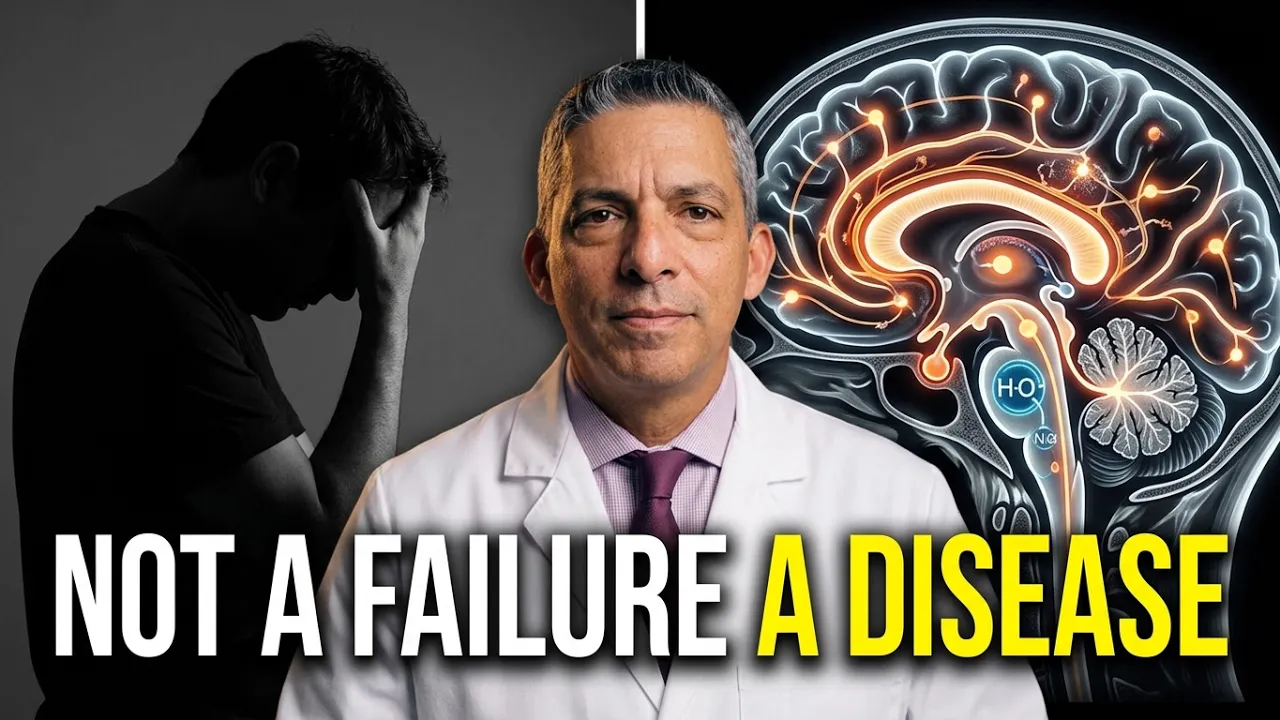
When diets don't last, it isn't a willpower problem. It's biology. Your body has a set point, a weight it defends based on your genes and environment. When you lose weight, your body reads it as a threat and pushes back:
- Ghrelin, the hunger hormone, goes up. You're hungrier than before you started.
- GLP-1 and PYY, the fullness hormones, go down. The same meal satisfies you less.
- Metabolism slows. Your body burns less energy to protect its fat stores.
Add a food environment full of cheap, ultra-processed calories, and it makes sense that only about 5 to 10% of people keep weight off long term with dieting alone. That doesn't mean giving up. It means using treatments that work on the biology. For a deeper look, see set-point theory and why obesity is a metabolic disease.
The Lifetime Risk of Doing Nothing
For someone living with untreated obesity, the lifetime risks are sobering:
- Cardiovascular disease: about 70 to 80%
- Heart attack: about 30 to 40%
- Stroke: about 20 to 30%
- Type 2 diabetes: about 60 to 70%
- Obesity-related cancer: about 20 to 30%
- Kidney disease: about 15 to 20%
The Thresholds That Change Your Risk
Here's the hopeful part. You don't need to reach a "normal" BMI to get healthier. Modest, sustained weight loss lowers risk, and more weight loss lowers it further.
5% of body weight (10 pounds for a 200-pound person)
Cardiovascular risk drops about 15 to 20%, heart attack risk about 10 to 20%, stroke risk about 10 to 15%, cancer risk about 5 to 10%, kidney disease risk about 10 to 15%, and deaths from any cause about 10 to 15%. Diabetes risk falls too.
10% of body weight
This is the threshold doctors consider medically significant. Cardiovascular risk improves about 25 to 30% and diabetes risk about 30 to 40%.
25% or more of body weight
This is the range typically reached with metabolic and bariatric surgery. Cardiovascular risk drops about 40 to 50%, diabetes risk about 50 to 60%, cancer and kidney disease risk about 30 to 40%, and deaths from any cause about 40 to 50%. Large studies link bariatric surgery to about a 50% reduction in all-cause mortality and a median gain of about six years of life, and more than nine years for people with diabetes.
Living Longer, and Living Better
The mortality numbers are powerful, but they aren't what patients talk about at their follow-up visits. They talk about having energy again, sleeping through the night, walking without knee pain, coming off medications and keeping up with their kids or grandkids. That's what treatment is for.
Today's Treatment Options
Obesity is a chronic, relapsing disease. Like diabetes or high blood pressure, it needs ongoing care, and the options today are better than they've ever been:
- Lifestyle changes, which remain the foundation for everything else.
- Medications, including GLP-1 drugs like semaglutide and tirzepatide, which typically produce about 15 to 22% total weight loss. Our medical weight loss program uses them when they fit.
- Endoscopic procedures, such as endoscopic sleeve gastroplasty and gastric balloons, for selected patients.
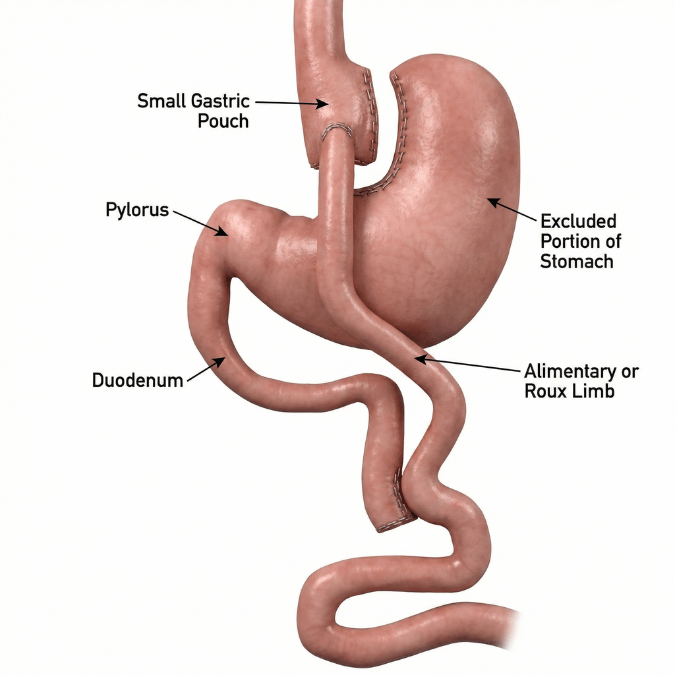
- Bariatric surgery, such as the sleeve and gastric bypass, which produce about 25 to 40% total weight loss and have the strongest long-term data for disease remission and survival.
These aren't competing choices. They can be combined and adjusted over time, the way we manage any chronic disease. Our GLP-1 vs. surgery comparison explains how they fit together.
The First Step
The most important step is recognizing that obesity is a medical condition that deserves medical treatment, not judgment or blame. If you'd like to talk about which option makes sense for you, schedule an in-office or virtual visit at 305-692-0392 or appt@delacruzmunoz.com. We see patients from across the United States, and our team speaks English and Spanish.
Watch the video version: Why We Need to Treat Obesity
Further Information
For additional context and a deeper professional perspective, you can read the companion LinkedIn article linked below.
Read on LinkedIn: Why We Need to Treat Obesity: The Numbers That Change Everything
254
Health conditions caused or worsened by obesity
5%
Weight loss that already lowers cardiovascular risk by about 15–20%
~6 years
Median gain in life expectancy linked to bariatric surgery, and more than 9 years with diabetes
Excess visceral fat isn't just stored energy. It acts like an active organ, releasing inflammatory signals and hormones that cause insulin resistance, raise blood pressure and fill the liver with fat. When you lose weight by dieting, your brain responds by raising hunger hormones like ghrelin, lowering fullness hormones like GLP-1 and PYY, and slowing your metabolism to defend its set point. Effective treatment works on these pathways rather than relying on willpower alone.
Medical Topics Covered


Dr. de la Cruz‑Muñoz specializes in advanced minimally invasive and robotic surgery, metabolic disease management, and comprehensive long‑term patient care. His work integrates clinical expertise, academic leadership, and a commitment to evidence‑based medicine. He has trained surgeons across the country, contributed to national guidelines, and is widely regarded for his outcomes, innovation, and patient‑centered approach.
Patients choose Dr. de la Cruz‑Muñoz for his combination of surgical excellence, metabolic expertise, and lifelong dedication to improving patient health through compassionate, high‑quality care.
Procedures We Offer



Conditions






FAQ
People Also Ask
Obesity is recognized as a chronic disease by major medical organizations, including the American Medical Association. It is influenced by genetics, hormones, brain signaling, environment, sleep, stress and medications, not simply willpower. Like other chronic diseases, it often requires long-term treatment, which may include nutrition, activity, behavioral support, medications and surgery. Lifestyle matters, but biology largely determines how the body responds.
The body has powerful systems that defend its weight. When you lose weight, hunger hormones rise, fullness hormones drop, the brain becomes more focused on food and metabolism slows, a process called metabolic adaptation. Genetics, sleep, stress, medications and the modern food environment add to the challenge. These are biological forces, not character flaws, which is why medical treatment is often needed.
Genetics play a major role. Studies of twins and adopted children suggest that roughly 40–70% of the variation in body weight is inherited, influencing appetite, fullness, metabolism and where fat is stored. Many genes each contribute a small effect, and a few rare single-gene forms cause severe early obesity. Genes interact with environment, sleep, stress and medications, so a family history raises risk but does not determine destiny.
GLP-1 medications mimic a natural gut hormone released after eating. They act on the brain to reduce hunger and increase fullness, slow stomach emptying so meals last longer, quiet "food noise," and improve insulin release and blood sugar. Tirzepatide also acts on a second hormone, GIP. In clinical trials, these medications produced average weight loss of about 15–20% (Wilding et al., New England Journal of Medicine, 2021; Jastreboff et al., New England Journal of Medicine, 2022).
Yes. Obesity is associated with more than 200 health conditions, including type 2 diabetes, high blood pressure, high cholesterol, heart disease, stroke, sleep apnea, fatty liver disease, reflux, osteoarthritis, infertility and PCOS, depression and at least 13 types of cancer. Losing weight, through medical treatment or bariatric surgery, improves or resolves many of these conditions.
Dieting alone usually cannot overcome the body's biological defenses against weight loss. As weight falls, hunger hormones rise, fullness hormones fall and metabolism slows, changes that can last for years. Most people regain the majority of diet-related weight loss within several years. That is not a failure of willpower, and it is why treatments that address appetite biology, such as GLP-1 medications and bariatric surgery, are more effective for many people with obesity.
Consider medical evaluation when excess weight affects your health, mobility or quality of life, or when you have related conditions such as prediabetes, diabetes, high blood pressure, sleep apnea, fatty liver or joint pain. Guidelines support medications for adults with a BMI of 30 or higher, or 27 or higher with a weight-related condition, and surgery for a BMI of 35 or higher, or 30 or higher with metabolic disease. Early treatment can help prevent complications.
Yes. Bariatric surgery treats the biological drivers of obesity, changing hunger and fullness hormones, insulin sensitivity and the weight the body defends. It is the most effective and durable treatment for severe obesity, producing large, sustained weight loss and improving or resolving diabetes, high blood pressure, sleep apnea and fatty liver. Long-term studies show it also reduces the risk of heart disease, cancer and early death.