
Obesity Stigma in Medicine Is Still Harming Patients

Quick Answer
Watch Related Video
The Barrier Nobody Talks About
I've treated obesity, medically and surgically, for over 25 years. One of the biggest barriers to good care isn't the disease itself. It's the stigma that still exists inside medicine.
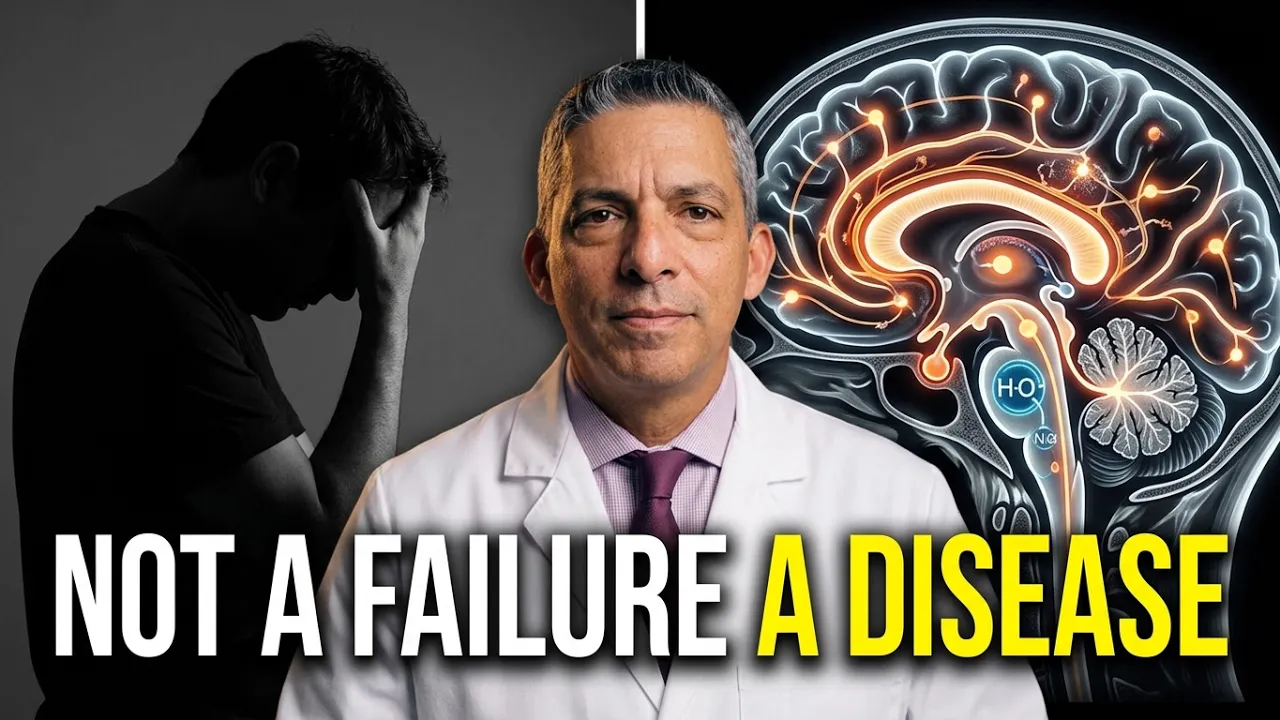
The science has long established obesity as a chronic, relapsing disease driven by hormones, the brain and genetics. Yet many clinicians still see it as a matter of willpower or personal responsibility, often based on ideas from their training years that no longer reflect modern care. If you've ever left a doctor's office feeling judged instead of helped, you're not imagining it, and you're not alone.
What the Research Shows
- Nearly half of healthcare providers who treat obesity show measurable weight bias, conscious or unconscious.
- Bias is even more common among clinicians who don't specialize in obesity.
- About 53% of people with obesity say they've delayed or avoided medical care because of past stigma.
- About 69% expect to be judged about their weight when they seek care.
- Weight bias in healthcare is linked to delayed diagnoses, lower follow-through on treatment, missed follow-up and worse outcomes.
- Stigma itself raises the body's stress response and can worsen metabolic health.
I've seen this bias firsthand, even among colleagues who work in obesity care and should know better.
The Things Patients Still Hear
It shows up in phrases like "just eat less," "they did this to themselves," "surgery is the easy way out," "those patients always fail," and "GLP-1s fixed the problem, surgery is outdated." None of those reflect the science, the physiology or the outcomes. If you want the biology behind why "just eat less" fails, read why diets fail and why willpower isn't the whole story.
"The Easy Way Out" Is One of the Safest Operations We Do
Modern metabolic and bariatric surgery is among the safest major operations performed today. At experienced, high-volume centers, leak rates are under 1%, and mortality is about 0.03 to 0.1%, in the same range as common operations like gallbladder removal. The benefits are large and lasting:
- About a 30 to 50% reduction in deaths from any cause
- Up to a 90% reduction in progression to type 2 diabetes
- Major reductions in heart attacks and strokes
- Lower rates of several obesity-related cancers
- Metabolic improvements that last for decades
There's nothing easy about it. Patients change how they eat, move and live for the rest of their lives. Surgery gives their biology a fighting chance. Learn more in Is bariatric surgery safe?
GLP-1s Helped, but They Didn't Make Surgery Obsolete
GLP-1 medications have been transformative, and I use them every week. But they don't work for everyone. Real-world data show that close to half of people who start a GLP-1 for weight loss stop within 12 months because of cost, side effects, access or a weak response. The patients with the most severe disease, the highest risk of dying and the deepest hormonal disruption are often the least responsive to medication alone. For many of them, surgery isn't optional. It's lifesaving.
The two aren't competitors. They're tools along the same continuum of care, and they often work best together. See how GLP-1s and surgery compare and why GLP-1s aren't cheating.
How Stigma Harms Patients
Bias doesn't just hurt feelings. When clinicians minimize the disease or dismiss treatments that work, patients delay care, internalize shame, skip follow-up and pull away from the healthcare system. Conditions like diabetes, sleep apnea and heart disease go untreated longer. People who could have been helped years earlier arrive sicker.
What You Should Expect From Your Care
Obesity isn't a character flaw. It isn't a lifestyle choice, and it isn't cured by willpower. It's a chronic disease that deserves the same seriousness, respect and evidence-based care we give every other chronic disease. That means:
- A team that talks about biology, not blame
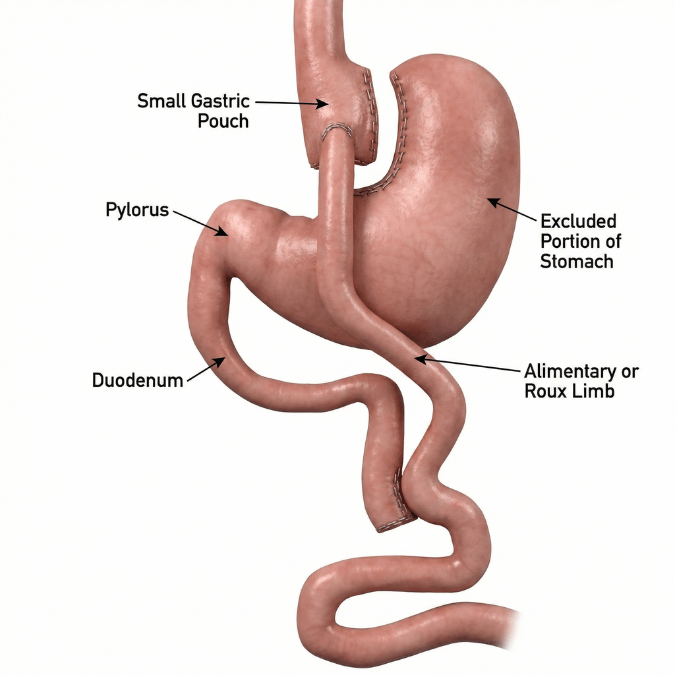
- Honest discussion of all the options, from medication to endoscopic procedures to sleeve gastrectomy and gastric bypass
- Equipment, rooms and staff that are designed for patients of every size
- Long-term follow-up, because a chronic disease needs ongoing care
A Different Kind of Visit
If you've avoided care because you expected to be judged, I'd like you to give us a chance. Schedule an in-office or virtual visit at 305-692-0392 or appt@delacruzmunoz.com. We see patients from across the United States, in English and Spanish. A good place to start reading is why obesity is a metabolic disease, not a willpower problem.
Further Information
For additional context and a deeper professional perspective, you can read the companion LinkedIn article linked below.
Read on LinkedIn: Obesity Stigma in Medicine Is Still Harming Patients
~50%
Of healthcare providers who treat obesity show measurable weight bias
53%
Of people with obesity have delayed or avoided care because of stigma
0.03–0.1%
Mortality after bariatric surgery at experienced, high-volume centers
Obesity involves the brain's appetite centers, gut hormones, fat tissue and genetics working together to defend a higher body weight. When weight goes down, the body raises hunger signals and slows metabolism to push it back up. Chronic stress, including the stress of being stigmatized, raises cortisol, which can increase appetite and abdominal fat. Understanding this biology is the first step toward treating obesity without blame.
Medical Topics Covered


Dr. de la Cruz‑Muñoz specializes in advanced minimally invasive and robotic surgery, metabolic disease management, and comprehensive long‑term patient care. His work integrates clinical expertise, academic leadership, and a commitment to evidence‑based medicine. He has trained surgeons across the country, contributed to national guidelines, and is widely regarded for his outcomes, innovation, and patient‑centered approach.
Patients choose Dr. de la Cruz‑Muñoz for his combination of surgical excellence, metabolic expertise, and lifelong dedication to improving patient health through compassionate, high‑quality care.
Procedures We Offer








FAQ
People Also Ask
Obesity is recognized as a chronic disease by major medical organizations, including the American Medical Association. It is influenced by genetics, hormones, brain signaling, environment, sleep, stress and medications, not simply willpower. Like other chronic diseases, it often requires long-term treatment, which may include nutrition, activity, behavioral support, medications and surgery. Lifestyle matters, but biology largely determines how the body responds.
The body has powerful systems that defend its weight. When you lose weight, hunger hormones rise, fullness hormones drop, the brain becomes more focused on food and metabolism slows, a process called metabolic adaptation. Genetics, sleep, stress, medications and the modern food environment add to the challenge. These are biological forces, not character flaws, which is why medical treatment is often needed.
Genetics play a major role. Studies of twins and adopted children suggest that roughly 40–70% of the variation in body weight is inherited, influencing appetite, fullness, metabolism and where fat is stored. Many genes each contribute a small effect, and a few rare single-gene forms cause severe early obesity. Genes interact with environment, sleep, stress and medications, so a family history raises risk but does not determine destiny.
GLP-1 medications mimic a natural gut hormone released after eating. They act on the brain to reduce hunger and increase fullness, slow stomach emptying so meals last longer, quiet "food noise," and improve insulin release and blood sugar. Tirzepatide also acts on a second hormone, GIP. In clinical trials, these medications produced average weight loss of about 15–20% (Wilding et al., New England Journal of Medicine, 2021; Jastreboff et al., New England Journal of Medicine, 2022).
Yes. Obesity is associated with more than 200 health conditions, including type 2 diabetes, high blood pressure, high cholesterol, heart disease, stroke, sleep apnea, fatty liver disease, reflux, osteoarthritis, infertility and PCOS, depression and at least 13 types of cancer. Losing weight, through medical treatment or bariatric surgery, improves or resolves many of these conditions.
Dieting alone usually cannot overcome the body's biological defenses against weight loss. As weight falls, hunger hormones rise, fullness hormones fall and metabolism slows, changes that can last for years. Most people regain the majority of diet-related weight loss within several years. That is not a failure of willpower, and it is why treatments that address appetite biology, such as GLP-1 medications and bariatric surgery, are more effective for many people with obesity.
Consider medical evaluation when excess weight affects your health, mobility or quality of life, or when you have related conditions such as prediabetes, diabetes, high blood pressure, sleep apnea, fatty liver or joint pain. Guidelines support medications for adults with a BMI of 30 or higher, or 27 or higher with a weight-related condition, and surgery for a BMI of 35 or higher, or 30 or higher with metabolic disease. Early treatment can help prevent complications.
Yes. Bariatric surgery treats the biological drivers of obesity, changing hunger and fullness hormones, insulin sensitivity and the weight the body defends. It is the most effective and durable treatment for severe obesity, producing large, sustained weight loss and improving or resolving diabetes, high blood pressure, sleep apnea and fatty liver. Long-term studies show it also reduces the risk of heart disease, cancer and early death.