
Correcting Misinformation About Bariatric Surgery: What the Evidence Really Shows

Quick Answer
Watch Related Video
Why This Matters
A while back I came across a thread online making several confident claims about bariatric surgery: that the survival benefit is "dishonest," that weight loss after 20 years is "worse than a pill," that one in four patients needs another operation. Posts like that spread fast, and they reach people who are already facing stigma and trying to make a hard decision about their health.
Patients deserve accurate information, not fear or selective readings of the research. So here is each claim, and what the long-term studies actually show. If you're weighing surgery yourself, our overview Is bariatric surgery safe? is a good companion to this article.
Myth 1: "The survival benefit is an illusion created by bad study design."
What the evidence shows: Observational studies do have limitations, but the survival benefit doesn't rest on one study or one method. The Swedish Obese Subjects (SOS) study was prospective and controlled, with 99.9% follow-up, which protects it from the "immortal time bias" critics often raise. A large pooled analysis of 174,772 people found a 49% lower risk of death from any cause and a median gain of about 6.1 years of life. A separate matched study from three U.S. health systems, adjusted for BMI, diabetes and other conditions, still found much lower death rates after gastric bypass and sleeve gastrectomy. And yes, these studies compare surgery with no surgery. That's the question being asked.
Myth 2: "Once you adjust the numbers, patients only gain three years and still die earlier."
What the evidence shows: In SOS, the adjusted risk of death was 30% lower and median life expectancy rose by about three years. For a single intervention, three extra years is a large effect. Surgical patients still lived about 5.5 years less than the general population, but that gap reflects damage done by years of severe obesity before surgery, not harm from the operation. It's an argument for treating earlier, not for avoiding treatment.
Myth 3: "Weight loss at 20 years is only 18%, worse than a pill."
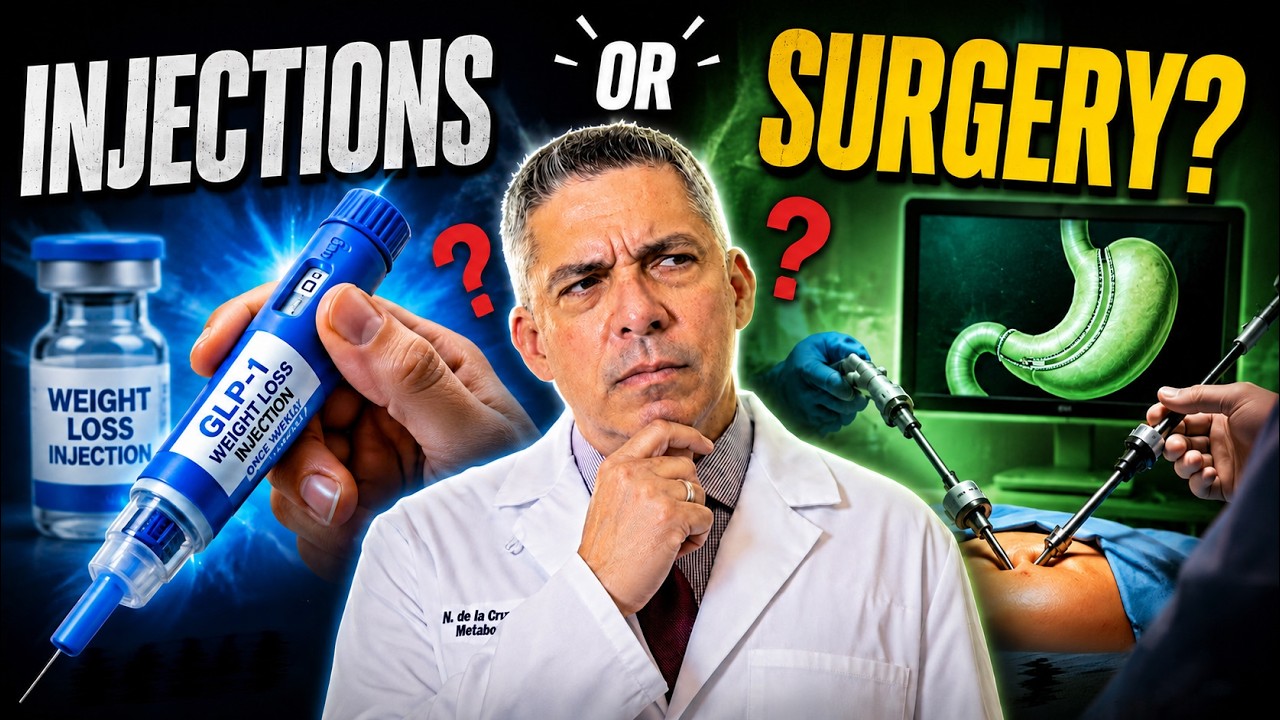
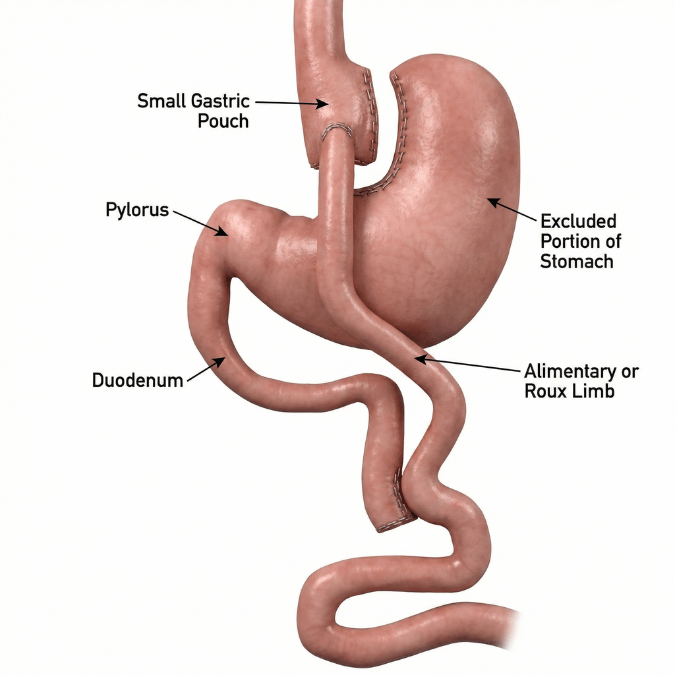
What the evidence shows: About two-thirds of SOS patients had vertical banded gastroplasty, an operation surgeons no longer use, and only 13% had a gastric bypass. Modern Roux-en-Y gastric bypass consistently produces about 25 to 29% total weight loss at 15 to 20 years. In real-world comparisons, surgery produced about 28% total weight loss versus about 10% with GLP-1 medications. We also don't have 20-year data for these drugs, and about two-thirds of weight lost on semaglutide comes back within a year of stopping it. See our full GLP-1 vs. surgery evidence comparison.
Myth 4: "Surgery causes depression and suicide after a short honeymoon."
What the evidence shows: This one deserves honesty. Studies do show a higher relative risk of self-harm after bariatric surgery, and a large Swedish study in The Lancet confirmed it. But the absolute risk was low, and the authors themselves said it shouldn't discourage surgery. It's a reason to screen carefully and support patients long term, which is part of good care. At the same time, long-term trials show lasting improvements in quality of life through 10 to 12 years. Mental health benefits can fade over time, but that isn't the same as being "worse than before." Our article on mental preparation for bariatric surgery covers how we approach this.
Myth 5: "Alcohol use disorder nearly triples."
What the evidence shows: The number quoted online was wrong. In the JAMA study often cited, alcohol use disorder rose from 7.6% to 9.6% at two years, not 20.8%. A higher figure at seven years comes from a different study and applies mainly to gastric bypass. The risk is real: after bypass, alcohol is absorbed faster and peaks higher. My research team has published three papers on alcohol after bariatric surgery, and we screen and counsel every patient. Read more in why two drinks can feel like four after surgery.
Myth 6: "One in four patients needs another operation."
What the evidence shows: First, 15 to 20% isn't one in four. Second, rates depend heavily on how "reoperation" is defined. At five years, the SLEEVEPASS trial reported 8.3% for sleeve and 15.1% for bypass. SOS reported 2.9%. A large Australia and New Zealand registry found 10-year revision rates of 2.5% for sleeve and 4.8% for bypass. Higher figures often count unrelated procedures like gallbladder removal, hernia repair or a diagnostic endoscopy. Many "reoperations" are planned conversions, such as a sleeve to a bypass for reflux, not emergencies. When a revision is needed, it can be done safely by an experienced team. Learn more about revisional bariatric surgery.
Myth 7: "Quality of life is no better after five years."
What the evidence shows: A large network analysis found clearly better quality of life at five years after both sleeve and bypass. Systematic reviews of studies lasting five years or longer show improvements in both physical and mental health, and 12-year studies show those physical gains holding. Better quality of life is one of the most consistent benefits we see.
Myth 8: "A pill does the same thing with fewer side effects."
What the evidence shows: GLP-1 medications are excellent tools, and I prescribe them every week. But they aren't a substitute for surgery in everyone. Surgery produces close to three times more weight loss in real-world data and has 20-plus years of evidence for lower rates of death, heart disease, cancer and diabetes. The medications usually need to be taken for life, have their own side effects including nausea and muscle loss, and cost much more over time. Our medical weight loss program and surgery aren't rivals. They work best together.
The Bottom Line
Bariatric surgery isn't perfect, and no honest surgeon will tell you it is. But it's one of the most studied, most effective and longest-lasting treatments we have for severe obesity. Before you make a decision based on a social media thread, talk with a surgeon who will walk you through the real numbers, including the risks.
After over 25 years and about 9,000 bariatric operations, I'm happy to do that with you. Schedule an in-office or virtual visit at 305-692-0392 or appt@delacruzmunoz.com, or start with our guide to which bariatric surgery is best for you.
Further Information
For additional context and a deeper professional perspective, you can read the companion LinkedIn article linked below.
Read on LinkedIn: Correcting Misinformation About Bariatric Surgery
49%
Lower risk of death from any cause in a pooled analysis of 174,772 people
25 to 29%
Total weight loss maintained 15 to 20 years after modern gastric bypass
2.5 to 4.8%
10-year revision rates for sleeve and bypass in a large national registry
Bariatric operations work by changing the signals between the gut and the brain, not just by making the stomach smaller. They lower hunger hormones, raise fullness hormones and improve how the body handles sugar, often within days and before much weight is lost. That's why diabetes, blood pressure and other conditions can improve so quickly, and why the long-term health benefits go beyond the number on the scale.
Medical Topics Covered


Dr. de la Cruz‑Muñoz specializes in advanced minimally invasive and robotic surgery, metabolic disease management, and comprehensive long‑term patient care. His work integrates clinical expertise, academic leadership, and a commitment to evidence‑based medicine. He has trained surgeons across the country, contributed to national guidelines, and is widely regarded for his outcomes, innovation, and patient‑centered approach.
Patients choose Dr. de la Cruz‑Muñoz for his combination of surgical excellence, metabolic expertise, and lifelong dedication to improving patient health through compassionate, high‑quality care.
Procedures We Offer








FAQ
People Also Ask
Obesity is recognized as a chronic disease by major medical organizations, including the American Medical Association. It is influenced by genetics, hormones, brain signaling, environment, sleep, stress and medications, not simply willpower. Like other chronic diseases, it often requires long-term treatment, which may include nutrition, activity, behavioral support, medications and surgery. Lifestyle matters, but biology largely determines how the body responds.
The body has powerful systems that defend its weight. When you lose weight, hunger hormones rise, fullness hormones drop, the brain becomes more focused on food and metabolism slows, a process called metabolic adaptation. Genetics, sleep, stress, medications and the modern food environment add to the challenge. These are biological forces, not character flaws, which is why medical treatment is often needed.
Genetics play a major role. Studies of twins and adopted children suggest that roughly 40–70% of the variation in body weight is inherited, influencing appetite, fullness, metabolism and where fat is stored. Many genes each contribute a small effect, and a few rare single-gene forms cause severe early obesity. Genes interact with environment, sleep, stress and medications, so a family history raises risk but does not determine destiny.
GLP-1 medications mimic a natural gut hormone released after eating. They act on the brain to reduce hunger and increase fullness, slow stomach emptying so meals last longer, quiet "food noise," and improve insulin release and blood sugar. Tirzepatide also acts on a second hormone, GIP. In clinical trials, these medications produced average weight loss of about 15–20% (Wilding et al., New England Journal of Medicine, 2021; Jastreboff et al., New England Journal of Medicine, 2022).
Yes. Obesity is associated with more than 200 health conditions, including type 2 diabetes, high blood pressure, high cholesterol, heart disease, stroke, sleep apnea, fatty liver disease, reflux, osteoarthritis, infertility and PCOS, depression and at least 13 types of cancer. Losing weight, through medical treatment or bariatric surgery, improves or resolves many of these conditions.
Dieting alone usually cannot overcome the body's biological defenses against weight loss. As weight falls, hunger hormones rise, fullness hormones fall and metabolism slows, changes that can last for years. Most people regain the majority of diet-related weight loss within several years. That is not a failure of willpower, and it is why treatments that address appetite biology, such as GLP-1 medications and bariatric surgery, are more effective for many people with obesity.
Consider medical evaluation when excess weight affects your health, mobility or quality of life, or when you have related conditions such as prediabetes, diabetes, high blood pressure, sleep apnea, fatty liver or joint pain. Guidelines support medications for adults with a BMI of 30 or higher, or 27 or higher with a weight-related condition, and surgery for a BMI of 35 or higher, or 30 or higher with metabolic disease. Early treatment can help prevent complications.
Yes. Bariatric surgery treats the biological drivers of obesity, changing hunger and fullness hormones, insulin sensitivity and the weight the body defends. It is the most effective and durable treatment for severe obesity, producing large, sustained weight loss and improving or resolving diabetes, high blood pressure, sleep apnea and fatty liver. Long-term studies show it also reduces the risk of heart disease, cancer and early death.