Laparoscopic Pancreatoduodenectomy After Laparoscopic Gastric Bypass
Nestor de la Cruz-Muñoz, Shawn Hartnett, Danny Sleeman

- The Whipple procedure is widely considered one of the most complex operations in all of surgery. This case report documents successfully completing this procedure laparoscopically in a patient who had previously undergone gastric bypass, making the operation even more challenging due to altered anatomy.
- As the number of patients who have had bariatric surgery grows, more will eventually need other types of surgery. This case demonstrates that advanced laparoscopic training and bariatric surgery expertise allow safe performance of even the most complex operations in patients with prior gastric bypass anatomy.
- Very few surgeons in the world have reported performing a laparoscopic Whipple procedure in a patient with prior gastric bypass, reflecting a level of technical expertise well beyond routine bariatric surgery.
- This case was published in SOARD, the official journal of the American Society for Metabolic and Bariatric Surgery, and related work was also presented at the IFSO Congress in Istanbul, Turkey.
- For patients who have had bariatric surgery and later need another operation, this publication provides reassurance about the advanced skills needed to manage complex surgical situations in patients with altered anatomy.
This case report published in Surgery for Obesity and Related Diseases describes the successful performance of a laparoscopic pancreatoduodenectomy (Whipple procedure) in a patient who had previously undergone laparoscopic Roux-en-Y gastric bypass. The pancreatoduodenectomy is one of the most complex operations in general surgery. Performing this procedure laparoscopically in a patient with prior gastric bypass anatomy adds an additional layer of complexity that very few surgeons have the expertise to manage. The case demonstrates advanced laparoscopic skills and the ability to safely operate on patients with complex surgical histories, highlighting the feasibility of major hepatobiliary procedures laparoscopically in post-bariatric surgery patients.
Why This Case Was Reported
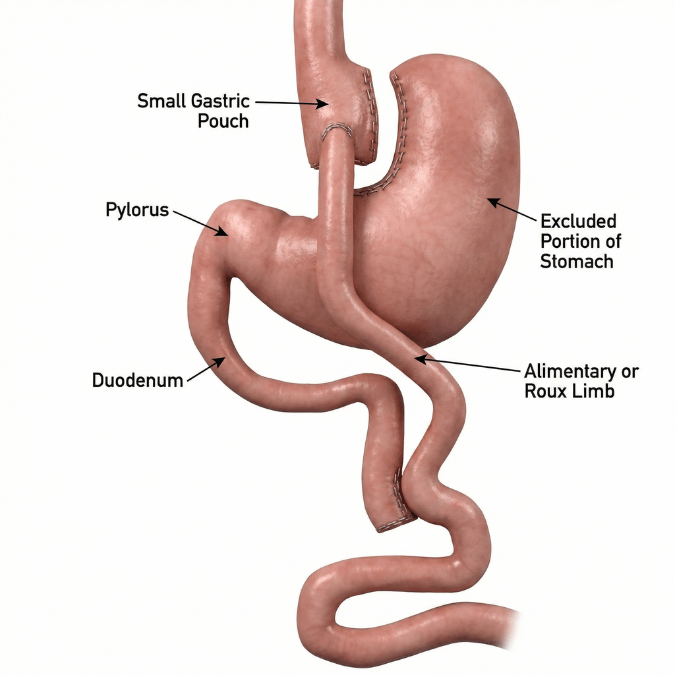
The pancreatoduodenectomy, or Whipple procedure, removes the head of the pancreas, the duodenum, the bile duct and nearby tissue, then reconnects the digestive tract. It is used for tumors such as pancreatic cancer and is among the most complex operations in general surgery. A prior gastric bypass changes the anatomy and adds another layer of difficulty, and in 2010 performing this operation laparoscopically after a bypass had rarely been described.
What Was Done
Dr. de la Cruz-Muñoz, with surgical oncologist Dr. Danny Sleeman, performed a laparoscopic Whipple procedure in a patient who had previously had a laparoscopic gastric bypass. The report describes how the operation was planned and reconstructed around the existing bypass anatomy.
What This Means for Patients
A gastric bypass does not prevent you from receiving complex care later in life, but it does mean your surgeon must understand your anatomy. Patients with bypass anatomy who develop pancreatic or biliary problems, such as bile duct stones, benefit from a team experienced in both bariatric and complex abdominal surgery; see laparoscopy-assisted ERCP after gastric bypass and complex tumor surgery.
Clinical Pearls
- Laparoscopic pancreatoduodenectomy is feasible after laparoscopic gastric bypass in experienced hands.
- Reconstruction must be planned around the existing Roux-en-Y anatomy.
- Collaboration between bariatric and oncologic surgeons is key.
Strengths and Limitations
A single case shows feasibility, not general outcomes. It does, however, document an approach that was novel at the time.
Expert Commentary
Patients who had a bypass years ago sometimes develop completely unrelated problems, including tumors of the pancreas. When that happens, they need surgeons who understand their anatomy. Performing this operation laparoscopically with my oncology colleague showed that even the most complex surgery can be done with a minimally invasive approach after a bypass.
— Dr. Nestor de la Cruz-Muñoz
Related Research
de la Cruz-Muñoz N, Hartnett S, Sleeman D. Laparoscopic Pancreatoduodenectomy After Laparoscopic Gastric Bypass. Surgery for Obesity and Related Diseases. 2011;7(3):326-327. doi:10.1016/j.soard.2010.06.002. PMID: 20678970.