Alcohol Use Patterns and Alcohol Use Disorders Among Young Adult, Ethnically Diverse Bariatric Surgery Patients
Christina Spadola, Eric Wagner, Viviana H. Accornero, Denise C. Vidot, Nestor de la Cruz-Munoz, Sarah Messiah
- Young adults face the highest risk for alcohol use disorders generally, and bariatric surgery can amplify that risk by changing alcohol absorption and metabolism.
- The study used validated screening tools to assess actual alcohol use disorder prevalence, not just casual drinking, helping identify at-risk patients early.
- The diverse South Florida cohort included Hispanic and Black patients underrepresented in prior research on this topic.
- This is part of a comprehensive research program examining behavioral health after bariatric surgery.
- This underscores the importance of honest conversations about alcohol use before and after surgery.
This study published in Substance Abuse examined alcohol use patterns and the prevalence of alcohol use disorders among young adult, ethnically diverse bariatric surgery patients. The study assessed pre- and post-operative alcohol consumption, identified risk factors for problematic use, and evaluated alcohol use disorder prevalence using validated screening instruments in a South Florida cohort including Hispanic and non-Hispanic Black patients.
Why This Study Was Needed
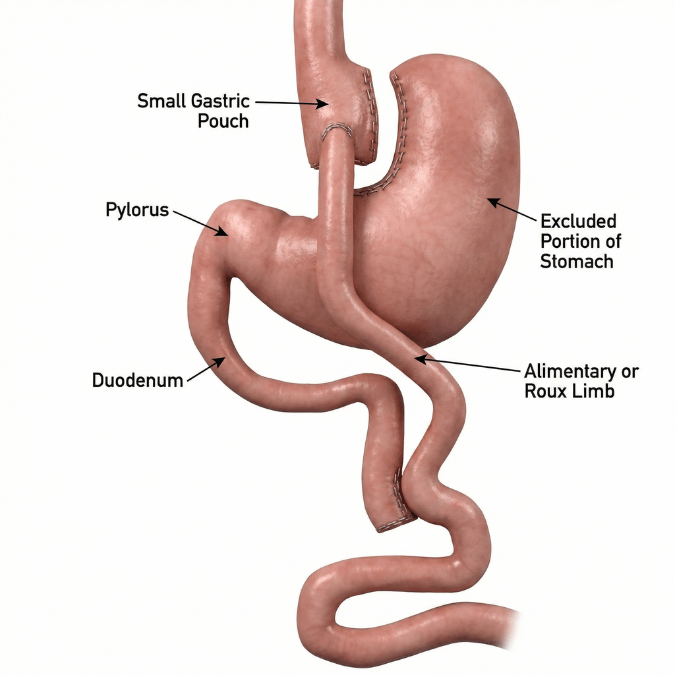
Young adults and ethnic minority groups are at higher risk for problem drinking, and bariatric surgery, especially gastric bypass, changes how the body absorbs alcohol so that it reaches higher blood levels faster. The large LABS-2 study in JAMA (2012) showed that alcohol use disorders increase after gastric bypass, but no study had looked at young, ethnically diverse patients.
How the Study Was Done
The team surveyed 69 bariatric patients with an average age of 26.5 years; 57% were Hispanic and 28% non-Hispanic Black. Validated tools assessed drinking patterns and alcohol use disorders before and after surgery.
What the Study Found
- More than 21% had a lifetime history of alcohol use disorder.
- 4.2% developed a new alcohol use disorder after surgery.
- In the past 30 days, 14.5% reported binge drinking and 42% reported drinking until intoxicated.
- A history of alcohol use disorder before surgery was linked to more frequent drinking afterward.
What This Means for Patients
After surgery, one or two drinks can affect you like four. If you have ever struggled with alcohol, tell your surgical team; it does not rule you out, but it means you need a plan. Read Two Drinks Become Four: Alcohol After Bariatric Surgery and our guide Mental Health, Body Image, and Alcohol After Bariatric Surgery.
Clinical Pearls
- Young, diverse bariatric patients may have high rates of prior alcohol use disorder.
- Pre-surgery alcohol use disorder is a risk factor for increased drinking after surgery.
- Binge drinking is particularly dangerous given heightened alcohol sensitivity after surgery.
Strengths and Limitations
This was the first study to focus on this high-risk group. The sample was small and relied on self-report, which may underestimate drinking.
Expert Commentary
I talk about alcohol with every patient, and younger patients need to hear it most. Their social lives often involve drinking, and after surgery their bodies handle alcohol very differently. This study told us that a history of problem drinking is the biggest warning sign, so we ask about it directly and plan support in advance.
— Dr. Nestor de la Cruz-Muñoz
Related Research
Spadola C, Wagner E, Accornero VH, Vidot DC, de la Cruz-Munoz N, Messiah S. Alcohol Use Patterns and Alcohol Use Disorders Among Young Adult, Ethnically Diverse Bariatric Surgery Patients. Substance Abuse. 2017;38(1):82-87.