
SMA Syndrome: Symptoms, Diagnosis and Treatment Options, Including Magnet-Assisted Surgery

Quick Answer
Watch Related Video
When Eating Hurts and No One Can Find Out Why
Many of the patients referred to me with superior mesenteric artery (SMA) syndrome have been sick for months or years. They get pain and fullness soon after eating, they vomit, they lose weight, and they're often told it's gastritis, anxiety or an eating disorder. By the time someone measures the right angle on the right scan, many of them are afraid to eat at all.
SMA syndrome is rare, but it's real, it's treatable, and it's often missed. This guide explains what it is, the symptoms to watch for, how it's diagnosed and the treatment options, including a newer, magnet-assisted surgical approach I offer in Miami.
What Is SMA Syndrome?
Your duodenum, the first part of the small intestine, crosses the body behind a major artery called the superior mesenteric artery and in front of the aorta. Normally a cushion of fat keeps a wide angle between those two arteries so the duodenum passes freely. In SMA syndrome, the angle narrows and the artery pinches the duodenum against the aorta like a clamp. Food and digestive juices back up into the duodenum and stomach.
It's also called Wilkie's syndrome, aortomesenteric duodenal compression, or arteriomesenteric duodenal compression. It's a cause of duodenal obstruction, and it can occur alongside other compression syndromes such as median arcuate ligament syndrome (MALS) and nutcracker syndrome.
What Causes It?
The most common trigger is losing the fat pad that props the artery open. That can happen with:
- Rapid or significant weight loss from illness, cancer, an eating disorder, or sometimes after bariatric surgery
- Spinal surgery for scoliosis, which can stretch and change the angle
- Prolonged bed rest, burns or major trauma
- A naturally narrow angle or a high ligament of Treitz that some people are born with
Once symptoms start, a cycle takes over: pain leads to eating less, eating less leads to more weight loss, and more weight loss narrows the angle further.
Symptoms of SMA Syndrome
- Upper abdominal pain or cramping 15 to 60 minutes after eating
- Feeling full after a few bites (early satiety)
- Nausea and vomiting, often of bile or partly digested food
- Bloating and belching
- Unintended weight loss and fear of eating
- Relief when lying on the left side, lying face down or in a knee-to-chest position, which lets the intestines shift and the angle open
Symptoms can come on suddenly or build slowly. Because they overlap with gastroparesis, ulcers, reflux and functional disorders, many patients see several specialists before anyone considers SMA syndrome. If you're dealing with long-standing pain after meals, our article on chronic abdominal pain covers other causes too.
How SMA Syndrome Is Diagnosed
The diagnosis needs imaging that shows both the compression and its effect on the duodenum.
- CT angiography (CTA) or MR angiography. This is the key test. It measures the angle between the SMA and the aorta, normally about 38 to 65 degrees, and the distance between them, normally about 10 to 28 mm. In SMA syndrome the angle is usually under about 22 to 25 degrees and the distance under about 8 to 10 mm, with a dilated duodenum and stomach above the pinch point.
- Upper GI series (barium swallow). Shows contrast backing up in a widened duodenum and an abrupt cutoff where the artery crosses it.
- Upper endoscopy. Doesn't confirm SMA syndrome by itself, but rules out ulcers, blockages and other problems.
- Gastric emptying and other tests when gastroparesis or another compression syndrome might also be involved.
A narrow angle on a scan doesn't always mean SMA syndrome. The imaging has to match the symptoms. That's why I review the images myself with each patient rather than relying only on the written report.
Treatment Without Surgery
If the syndrome was caused by recent weight loss, the first goal is to restore nutrition and rebuild the fat pad:
- Small, frequent, mostly liquid or soft meals
- Eating in positions that help, such as lying on the left side after meals
- A feeding tube placed past the compression (nasojejunal or jejunal feeding) when eating isn't enough
- IV nutrition (TPN) in severe cases
- Treating the underlying cause, such as an eating disorder or medical illness
Conservative care works for some patients, especially when the cause was sudden and temporary. When symptoms persist despite weight restoration, when the syndrome has gone on for a long time, or when a patient can't regain weight because eating hurts, surgery is usually the answer.
Surgery for SMA Syndrome
The goal of SMA syndrome surgery is to let food bypass or escape the compression.
Laparoscopic duodenojejunostomy
The standard operation connects the dilated duodenum above the pinch point to a loop of jejunum (the next part of the small intestine), so food goes around the compression. It's usually done through small incisions and has good long-term success. Like any connection that's stapled or sewn, it carries a risk of leakage.
Strong's procedure
This operation divides the ligament of Treitz so the duodenum can drop down to a wider part of the angle. It avoids a new connection, but it doesn't work for everyone and has a higher failure rate.
Magnet-assisted duodenojejunostomy
I'm one of the first surgeons in the United States performing a magnet-assisted duodenojejunostomy for SMA syndrome. Instead of cutting and stapling or sewing the bowel, two small magnets are positioned on either side of the duodenum and the jejunum. They draw the walls together, and over the following days the body heals that spot into an open connection. The magnets then pass naturally.
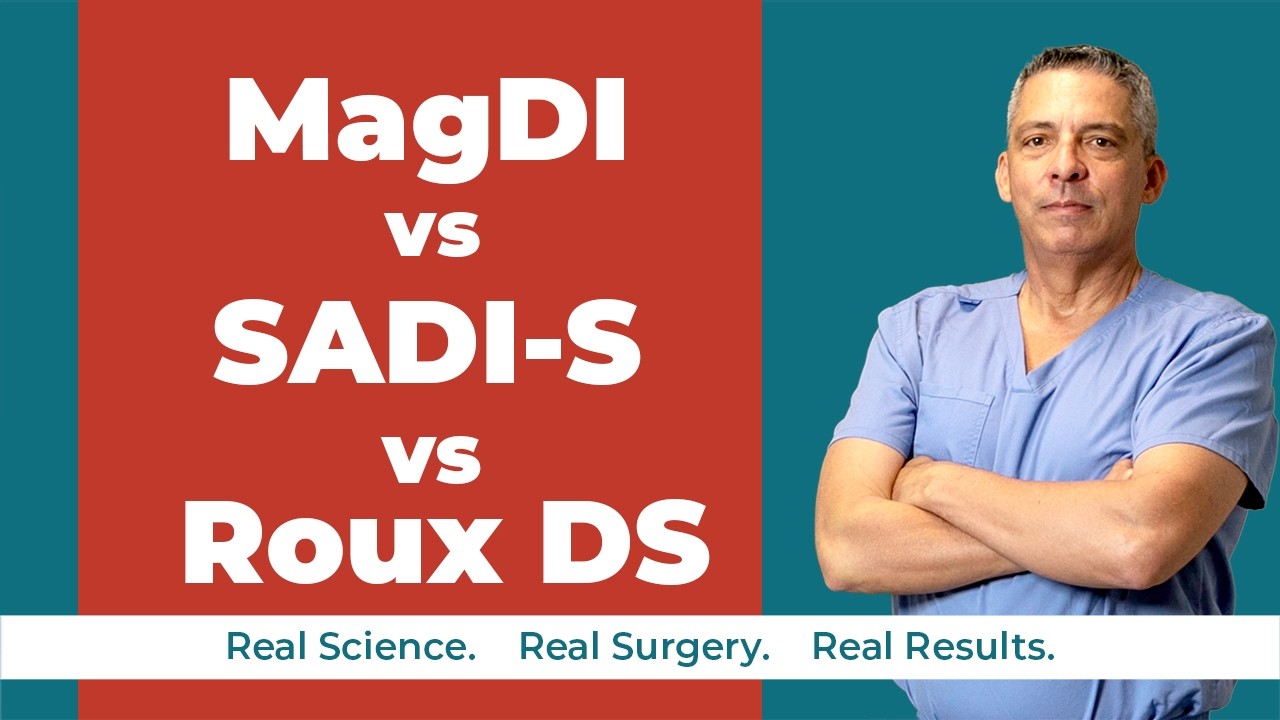
Because there's no stapled or sewn line to heal, this approach minimizes the risk of a leak. In my experience it's significantly lower risk than a traditional duodenojejunostomy, with fewer complications and a faster recovery, and early outcomes in the patients referred to me have been excellent. Not everyone is a candidate, and we'll talk through whether it fits you. I also perform magnet-assisted anastomoses in bariatric surgery, including the MagDI procedure, and I'm the only surgeon in the world using both of the available magnetic systems.
Recovery and What to Expect
Most patients stay in the hospital for a few days after surgery. Eating restarts gradually, beginning with liquids, and nutrition is rebuilt with help from our dietitians. Many patients notice relief from the post-meal pain and vomiting quickly, though appetite and weight can take weeks to months to recover, especially after a long illness.
If you're traveling to Miami from out of town, plan on about 7 to 9 days for a major operation so we can watch your recovery before you fly home.
Why Experience Matters
SMA syndrome is uncommon, and few surgeons see enough cases to recognize it quickly or to offer every surgical option. I receive SMA syndrome referrals from hospitals across South Florida and see patients from across the United States. After over 25 years and more than 15,000 minimally invasive procedures, I focus on getting the diagnosis right first, because a narrow angle alone doesn't always explain the symptoms, and other compression syndromes can coexist.
Frequently Asked Questions
Is SMA syndrome dangerous?
It can be. Left untreated it can cause malnutrition, dehydration and electrolyte problems, and rarely a severely stretched stomach. Once it's diagnosed, it's very treatable.
Can SMA syndrome happen after bariatric surgery?
Yes. Rapid weight loss after any bariatric operation can shrink the fat pad that protects the duodenum. New pain and vomiting after meals months after surgery shouldn't automatically be blamed on the operation itself.
Can SMA syndrome go away on its own?
Sometimes, if the cause was sudden weight loss and nutrition is restored. Long-standing cases usually need surgery.
Is SMA syndrome the same as MALS?
No. MALS is compression of the celiac artery by a ligament, while SMA syndrome is compression of the duodenum by an artery. They can occur together, so both should be checked on imaging.
Get an Evaluation
If you've been told you might have SMA syndrome, or you have pain and vomiting after meals that no one has explained, schedule an in-office or virtual visit. Bring or send your CT scans so I can review the images. Call 305-692-0392 or email appt@delacruzmunoz.com. Se habla español.
Watch my video on SMA syndrome: SMA Syndrome Explained
Further Information
<22–25°
Typical angle between the SMA and aorta in SMA syndrome, compared with a normal 38–65°
15–60 min
Typical time after eating when pain, fullness and vomiting start
0
Staple or suture lines in a magnet-assisted duodenojejunostomy
The superior mesenteric artery branches off the aorta and runs down in front of the third part of the duodenum. A pad of fat and lymph tissue normally holds the artery away from the aorta at an angle of about 38–65 degrees. When that fat pad shrinks, often after rapid weight loss, the artery drops back toward the aorta and squeezes the duodenum between them. The narrower the angle, the more the duodenum is obstructed, and the less a person can eat, which deepens the weight loss and the compression.
Medical Topics Covered
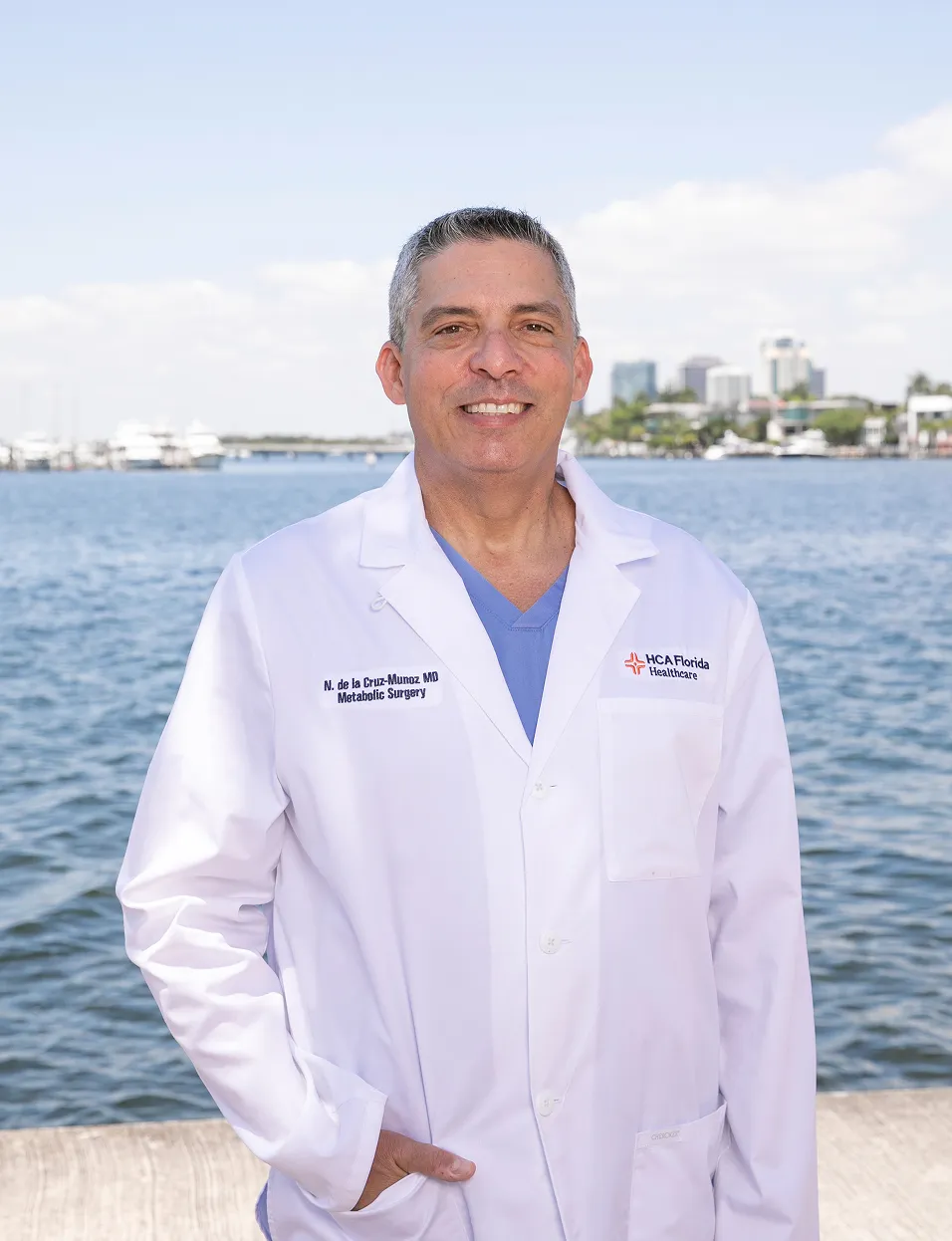

Dr. de la Cruz‑Muñoz specializes in advanced minimally invasive and robotic surgery, metabolic disease management, and comprehensive long‑term patient care. His work integrates clinical expertise, academic leadership, and a commitment to evidence‑based medicine. He has trained surgeons across the country, contributed to national guidelines, and is widely regarded for his outcomes, innovation, and patient‑centered approach.
Patients choose Dr. de la Cruz‑Muñoz for his combination of surgical excellence, metabolic expertise, and lifelong dedication to improving patient health through compassionate, high‑quality care.
Procedures We Offer



Conditions




FAQ
People Also Ask
Obesity is recognized as a chronic disease by major medical organizations, including the American Medical Association. It is influenced by genetics, hormones, brain signaling, environment, sleep, stress and medications, not simply willpower. Like other chronic diseases, it often requires long-term treatment, which may include nutrition, activity, behavioral support, medications and surgery. Lifestyle matters, but biology largely determines how the body responds.
The body has powerful systems that defend its weight. When you lose weight, hunger hormones rise, fullness hormones drop, the brain becomes more focused on food and metabolism slows, a process called metabolic adaptation. Genetics, sleep, stress, medications and the modern food environment add to the challenge. These are biological forces, not character flaws, which is why medical treatment is often needed.
Genetics play a major role. Studies of twins and adopted children suggest that roughly 40–70% of the variation in body weight is inherited, influencing appetite, fullness, metabolism and where fat is stored. Many genes each contribute a small effect, and a few rare single-gene forms cause severe early obesity. Genes interact with environment, sleep, stress and medications, so a family history raises risk but does not determine destiny.
GLP-1 medications mimic a natural gut hormone released after eating. They act on the brain to reduce hunger and increase fullness, slow stomach emptying so meals last longer, quiet "food noise," and improve insulin release and blood sugar. Tirzepatide also acts on a second hormone, GIP. In clinical trials, these medications produced average weight loss of about 15–20% (Wilding et al., New England Journal of Medicine, 2021; Jastreboff et al., New England Journal of Medicine, 2022).
Yes. Obesity is associated with more than 200 health conditions, including type 2 diabetes, high blood pressure, high cholesterol, heart disease, stroke, sleep apnea, fatty liver disease, reflux, osteoarthritis, infertility and PCOS, depression and at least 13 types of cancer. Losing weight, through medical treatment or bariatric surgery, improves or resolves many of these conditions.
Dieting alone usually cannot overcome the body's biological defenses against weight loss. As weight falls, hunger hormones rise, fullness hormones fall and metabolism slows, changes that can last for years. Most people regain the majority of diet-related weight loss within several years. That is not a failure of willpower, and it is why treatments that address appetite biology, such as GLP-1 medications and bariatric surgery, are more effective for many people with obesity.
Consider medical evaluation when excess weight affects your health, mobility or quality of life, or when you have related conditions such as prediabetes, diabetes, high blood pressure, sleep apnea, fatty liver or joint pain. Guidelines support medications for adults with a BMI of 30 or higher, or 27 or higher with a weight-related condition, and surgery for a BMI of 35 or higher, or 30 or higher with metabolic disease. Early treatment can help prevent complications.
Yes. Bariatric surgery treats the biological drivers of obesity, changing hunger and fullness hormones, insulin sensitivity and the weight the body defends. It is the most effective and durable treatment for severe obesity, producing large, sustained weight loss and improving or resolving diabetes, high blood pressure, sleep apnea and fatty liver. Long-term studies show it also reduces the risk of heart disease, cancer and early death.