Supermodel Lap Chole™ & Supermodel Robotic Chole™


Overview
Supermodel Lap Chole™ and Supermodel Robotic Chole™ are Dr. Nestor de la Cruz-Muñoz's hidden-incision approach to gallbladder removal. The operation inside the abdomen is the same proven laparoscopic cholecystectomy performed thousands of times a day around the world. What changes is where the incisions go.
A standard laparoscopic cholecystectomy uses three or four small incisions spread across the upper abdomen, including one just below the breastbone and one or two under the right ribs. They are small, but they sit in the most visible part of the torso and show with a bikini, crop top, or bare chest.
In the Supermodel approach, the largest incision is placed inside the belly button, where it heals into the natural fold. The other two small incisions are placed low in the pubic hairline, below the bikini and underwear line, where hair and clothing cover them. Once healed, there are no visible scars on the upper abdomen, even though the gallbladder sits high up under the liver.
The technique is an extension of Dr. de la Cruz-Muñoz's published work on Alternative Port Site Selection (APSS) for improved cosmesis in laparoscopic surgery (de la Cruz-Muñoz N, Koniaris LG. Journal of Gastrointestinal Surgery, 2010). He has offered it to selected patients for about 20 years. It is available as a laparoscopic operation (Supermodel Lap Chole™) or on the robotic platform (Supermodel Robotic Chole™).
How the Procedure Works
Laparoscopic surgery works through small "ports": thin tubes that let a camera and long, narrow instruments enter the abdomen. Usually the ports are placed close to the gallbladder for convenience. Alternative Port Site Selection asks a different question: where can the ports go so the scars are never seen, while the operation stays just as safe?
In Supermodel Lap Chole™, the camera port sits in the belly button and the two working instruments enter through the pubic hairline. From there the instruments reach up to the gallbladder under the liver. The surgeon still has two hands working at angles to each other (triangulation), which is what makes multi-port laparoscopy precise and safe. The gallbladder is removed through the belly-button incision, so no extra incision is needed to take it out.
Supermodel Robotic Chole™ uses the same hidden-incision plan on the robotic surgical platform. Robotic instruments have wrists and a stable 3D, magnified view, which can help when working on the gallbladder from a low, distant entry point.
Every safety step of standard cholecystectomy stays the same, including the "critical view of safety," which confirms the anatomy before any structure is divided to protect the bile duct.
Benefits
- No visible upper-abdominal scars. The belly-button incision hides in the natural fold, and the pubic incisions sit under the hairline.
- The same operation inside. The gallbladder is removed with the same technique and safety standards as conventional laparoscopic cholecystectomy.
- Multi-port precision. Unlike single-incision surgery, the instruments still enter from separate points, so the surgeon keeps normal triangulation and control.
- No large single opening. Single-incision cholecystectomy needs a larger opening at the navel. Meta-analyses of randomized trials have linked it to a higher rate of incisional hernia than multi-port surgery (Arezzo et al., Surgical Endoscopy, 2018). The Supermodel approach avoids that trade-off.
- Usually same-day surgery. Most patients go home the same day, as with standard laparoscopic gallbladder surgery.
- Laparoscopic or robotic. The approach is chosen to fit your anatomy and your surgeon's judgment.
Who Is a Candidate
Supermodel Lap Chole™ is for selected patients who need their gallbladder removed and care about how the result will look. Common reasons for surgery include:
- Gallbladder attacks from gallstones (biliary colic)
- Biliary dyskinesia (functional gallbladder disorder)
- Gallbladder polyps or other gallbladder disease needing planned removal
- Recovered gallstone pancreatitis once the inflammation has settled
It is especially popular with people who model, perform, compete, wear swimwear, or simply don't want visible scars. Good candidates usually have a body shape that lets instruments from the pelvis reach the gallbladder comfortably.
A standard or modified approach may be safer for:
- Severe acute cholecystitis or a gallbladder that is very inflamed or scarred
- Common bile duct stones that need surgical duct exploration
- Extensive prior upper-abdominal surgery or adhesions
- A very long torso or body proportions that place the gallbladder out of comfortable reach
- Pregnancy
Dr. de la Cruz-Muñoz will review your imaging, history, and body proportions at consultation and tell you honestly whether you are a candidate.
How the Procedure Is Performed
- Anesthesia. The operation is done under general anesthesia.
- Belly-button port. An incision is made inside the navel and the camera is inserted.
- Pubic hairline ports. Two small incisions are placed low in the pubic hairline for the working instruments (or the robotic arms).
- Exposure and critical view of safety. The gallbladder is lifted and the cystic duct and cystic artery are clearly identified before anything is divided.
- Division and removal. The cystic duct and artery are clipped and divided, and the gallbladder is separated from the liver.
- Extraction. The gallbladder is placed in a retrieval bag and removed through the belly-button incision.
- Closure. The fascia at the navel is closed to lower the risk of hernia. The skin is closed with dissolving stitches under the skin.
Safety comes first. If inflammation or unusual anatomy makes the hidden-port approach less safe, Dr. de la Cruz-Muñoz will add a conventional port or change technique. A visible scar is always preferable to a compromised operation, and this is discussed with every patient beforehand.
Risks and Considerations
The risks are those of any laparoscopic cholecystectomy:
- Bleeding or wound infection
- Bile leak from the cystic duct or liver bed
- Bile duct injury: uncommon (roughly 0.3–0.5% in large series), but serious, which is why the critical view of safety is never skipped
- A retained stone in the bile duct
- Hernia at the belly-button incision
- Risks of general anesthesia
Risks specific to the hidden-incision approach include a somewhat longer operating time, the possible need for an extra conventional port (which would leave a small visible scar), and temporary soreness at the pubic incisions.
Recovery Timeline
- Same day: Most patients go home a few hours after surgery and are encouraged to walk.
- First week: Mild soreness at the navel and pubic incisions is common and usually managed with over-the-counter medication. Many people return to desk work within several days to a week.
- Two weeks: Avoid heavy lifting and straining while the navel incision heals, unless your surgeon advises otherwise.
- Grooming: Wait until the pubic incisions are fully healed before shaving or waxing the area.
- Scars: Incisions fade over 6–12 months. Sun protection helps the navel scar settle.
Diet usually returns to normal quickly. A small number of people have looser stools after gallbladder removal, which generally improves over weeks to months.
Long-Term Expectations
Long-term results match standard laparoscopic cholecystectomy. Most patients have lasting relief from gallbladder attacks, and gallstones cannot re-form in a gallbladder that has been removed. The difference is cosmetic: years later, the scars remain hidden in the belly button and pubic hairline, with nothing visible on the upper abdomen.
More in Gallbladder and Biliary Surgery
Related procedures: Minimally Invasive Surgery, Robotic Surgery, Laparoscopic Common Bile Duct Exploration, Laparoscopy-Assisted ERCP After Gastric Bypass, Subtotal Cholecystectomy for the Difficult Gallbladder, Diagnostic Laparoscopy. For an overview of all options, see Laparoscopic Cholecystectomy.
Gallbladder and bile duct conditions this approach can address: Gallstones, Biliary Colic, Acute Cholecystitis, Choledocholithiasis, Cholangitis, Gallstone Pancreatitis.
Reducing the Chance of Lingering Symptoms
A minority of people continue to have symptoms after gallbladder removal, sometimes called post-cholecystectomy syndrome. The first safeguard is choosing the right patients and setting honest expectations: surgery is offered only after the pain is confirmed to come from the gallbladder, and for uncomplicated gallstones, non-surgical management is discussed as an alternative (Ahmed et al., BMJ [C-GALL], 2023; Comes et al., JAMA Surgery, 2024). The hidden-incision approach changes where the ports go, not how carefully the operation is done. During surgery, the same safety steps apply: achieving the Critical View of Safety, closing the cystic duct securely, and using cholangiography selectively to look for stones left in the bile duct. These steps help prevent bile leaks, bile duct injuries and retained stones, which cause many post-operative complaints (Sell & Gee, JOMI, 2022; Kazi et al., Abdominal Radiology, 2025). If symptoms persist after recovery, they are investigated for a retained stone, a bile leak or a cause outside the biliary system rather than accepted as unavoidable (Kazi et al., Abdominal Radiology, 2025).
Why Choose Dr. de la Cruz-Muñoz
Dr. Nestor de la Cruz-Muñoz developed this approach and published the underlying concept, Alternative Port Site Selection (APSS) for improved cosmesis in laparoscopic surgery, in the Journal of Gastrointestinal Surgery (2010). He has refined Supermodel Lap Chole™ and Supermodel Robotic Chole™ over about 20 years of use in selected patients.
- Over 25 years of experience in advanced laparoscopic surgery
- Over 15,000 minimally invasive procedures performed
- Laparoscopic and robotic options at HCA Florida Mercy Hospital in Miami
- A safety-first philosophy: the hidden-incision plan never overrides a safe operation
To ask whether you are a candidate, call 305-692-0392.
Research and Publications
Dr. de la Cruz-Muñoz's published and presented work on this topic includes:
- de la Cruz-Muñoz N, Koniaris LG. Alternative port site selection (APSS) for improved cosmesis in laparoscopic surgery. Journal of Gastrointestinal Surgery. 2010;14(12):2004–2008.
If you live in or near Miami, our gallbladder surgery in Miami page explains how to get started with an evaluation at our practice.
Total Body Weight Loss (TBWL) Expectations
Expected Metabolic Improvements
Weight Regain Prevention Strategy
GERD / Reflux Considerations
After the gallbladder is gone, the digestive change patients notice most often is looser stools or diarrhea related to bile. Only a minority are affected, and it usually settles over several weeks to a few months (Kim & Donahue, JAMA, 2018). It happens because bile now drips steadily into the intestine instead of being stored and released by the gallbladder. Adjusting the diet usually helps, and bile-acid binding medication can be used if the problem lasts. Gallbladder surgery does not treat reflux or indigestion that was present beforehand, and those symptoms are sometimes mistaken for gallbladder pain. A careful evaluation before surgery helps separate gallbladder pain from GERD or functional dyspepsia, so that the actual cause is the one being treated (Comes et al., JAMA Surgery, 2024).
Revision Options
Because the gallbladder is removed completely in a single operation, there is nothing to "revise" afterward. If a complication or ongoing symptom does occur, treatment is tailored to the specific problem (Kazi et al., Abdominal Radiology, 2025). The hidden placement of the original incisions does not limit these options. Possible approaches include:
- ERCP — an endoscopic procedure to clear a bile duct stone that was missed or has returned, or to place a stent that lets a post-operative bile leak heal (Liu et al., Surgical Endoscopy, 2026; Kazi et al., Abdominal Radiology, 2025).
- Percutaneous drainage — a drain placed through the skin to empty a collection of bile (biloma) or an abscess (Kazi et al., Abdominal Radiology, 2025).
- Completion cholecystectomy — removal of a leftover portion of gallbladder that causes symptoms, or of stones that recur after an earlier subtotal cholecystectomy.
- Hepatobiliary reconstruction (e.g., Roux-en-Y hepaticojejunostomy) — repair of a bile duct injury once it is recognized; this calls for early referral to a surgeon experienced in liver and bile duct surgery (Gallaher & Charles, JAMA, 2022; Kazi et al., Abdominal Radiology, 2025).
Body Composition & Muscle Preservation
Insurance & Qualification Requirements
Removing a gallbladder that causes symptoms or complications is treated by insurers as medically necessary care, unlike elective weight-loss surgery. Placing the incisions in the belly button and pubic hairline does not change the medical reason for the operation. Insurers generally want records that confirm the diagnosis and the reason for surgery: an ultrasound showing gallstones together with matching symptoms or findings (biliary colic, acute cholecystitis, choledocholithiasis or gallstone pancreatitis), plus supporting lab work and imaging in cases of acute cholecystitis (Kim & Donahue, JAMA, 2018; Comes et al., JAMA Surgery, 2024). Because each plan has its own rules for coverage, documentation, coding and pre-authorization, these details should be checked with your specific plan before surgery.
Preparing for Surgery (Pre-Op Requirements)
- Diagnosis confirmed — an ultrasound of the right upper abdomen to show gallstones and check for gallbladder inflammation, followed by a surgical referral if you have symptoms (Kim & Donahue, JAMA, 2018).
- Bile duct checked for stones — liver blood tests and, if needed, MRCP or ERCP; some patients have bile duct stones cleared by ERCP before the gallbladder is removed (Liu et al., Surgical Endoscopy, 2026; Kazi et al., Abdominal Radiology, 2025).
- Timing of surgery — when the gallbladder is acutely inflamed, operating early, within 24 hours of symptom onset, is preferred (Baron et al., New England Journal of Medicine, 2015).
- Anesthesia assessment — a routine pre-anesthesia review to confirm you are fit for general anesthesia and laparoscopic surgery (Baron et al., New England Journal of Medicine, 2015).
- Informed choice — if your gallstones cause symptoms but no complications, the consent discussion includes non-surgical management as a safe alternative, along with whether the hidden-incision approach suits your anatomy (Ahmed et al., BMJ [C-GALL], 2023).
Post-Op Nutrition Overview
You can start drinking and eating as soon as you feel ready, typically with thin liquids first and regular solid food within roughly a day; no lasting diet restrictions are needed (Sell & Gee, JOMI, 2022). If your stools become loose in the first weeks, smaller meals with less fat help, and fattier foods can be brought back slowly while the intestine gets used to the steady flow of bile (Kim & Donahue, JAMA, 2018). For most people, eating is back to normal within a short time (Sell & Gee, JOMI, 2022).
Returning to a Normal Diet
After gallbladder surgery, the goal is simply to get back to a normal, balanced way of eating (Sell & Gee, JOMI, 2022). No permanent diet rules are required, and most people return to their regular meals within a short time (Sell & Gee, JOMI, 2022). If loose stools appear early on, smaller and lower-fat meals for the first few weeks, with richer foods added back gradually, give the intestine time to adjust to the steady flow of bile (Kim & Donahue, JAMA, 2018). Once the short lifting restriction ends and the belly-button incision has healed, building activity and exercise back up step by step supports a full recovery.
Post-Op Activity & Exercise Guidance
Walking starts right away, as part of an enhanced-recovery (ERAS) plan, to lower the risk of lung problems and blood clots (Liu et al., Surgical Endoscopy, 2026). Because the operation is minimally invasive, everyday activities return quickly. Heavy lifting should be avoided for about 2 weeks so the incisions can heal (Sell & Gee, JOMI, 2022). This matters most for the belly-button incision, where the fascia is closed to lower the risk of hernia. Most people feel back to their usual selves in one to two weeks; from there, cardio exercise can be increased gradually, with strength training added later (Sell & Gee, JOMI, 2022).
Special Considerations for International Patients
Many patients travel specifically for the Supermodel Lap Chole™ or Supermodel Robotic Chole™. Because it is usually same-day surgery, a stay of three to four days in Miami is typically enough. Send your ultrasound and labs for a virtual consultation to confirm you are a candidate before booking travel.
Quick Procedure Details
Gallbladder removal for symptomatic gallbladder disease is generally covered by insurance when medically necessary. Coverage depends on your plan. Our office can review your benefits before surgery. Call 305-692-0392.
Featured Procedures




Conditions
FAQ
For selected patients, yes. With Supermodel Lap Chole™ or Supermodel Robotic Chole™, the largest incision is placed inside the belly button and two small incisions are placed low in the pubic hairline. Once healed, nothing is visible on the upper abdomen. The operation inside is the same as a standard laparoscopic cholecystectomy. Whether you are a candidate depends on your anatomy, how inflamed the gallbladder is, and your prior surgeries. Call 305-692-0392 to ask.
The internal operation and its safety steps are the same, including the critical view of safety that protects the bile duct. The main differences are a somewhat longer operating time and the possibility of adding a conventional port if inflammation or anatomy calls for it, because safety always comes before cosmetics. Unlike single-incision surgery, Supermodel Lap Chole™ keeps multiple ports and avoids the larger navel opening that has been linked to higher hernia rates.
Single-incision surgery puts all instruments through one larger opening at the navel. That limits instrument angles and has been associated in randomized-trial meta-analyses with more incisional hernias. Supermodel Lap Chole™ uses three small, separated incisions (one inside the belly button and two in the pubic hairline), so the surgeon keeps normal two-handed triangulation while every scar stays hidden. It grew out of Dr. de la Cruz-Muñoz's 2010 publication on Alternative Port Site Selection (APSS).
Blogs
Guides
Before & After Cases
Patient Stories
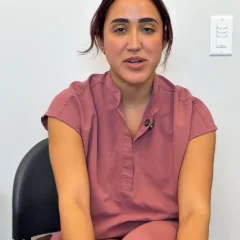
I've been feeling great after the surgery. I honestly haven't taken any pain medication. And my relationship with food has improved so much. Digestion, everything is so much better.My scars after the surgery are basically not visible. I would absolutely recommend that anyone who needs this procedure gets it done this way because I've had an amazing experience.